
A pan-fried Chaoshan kueh packed with garlic chives, its thin translucent skin crisped golden at the base on the griddle. The skin is a wheat-starch and sweet-potato-starch dough that steams clear and chewy; the filling is chopped Chinese chives, often with dried shrimp and a little pork, fragrant and green. Each kueh is steamed first, then shallow-fried so the bottom turns crackly while the top stays soft. A staple of Teochew tea stalls and night markets, eaten hot with a chili dip — not to be confused with the wheat-flour chive pockets of the north.
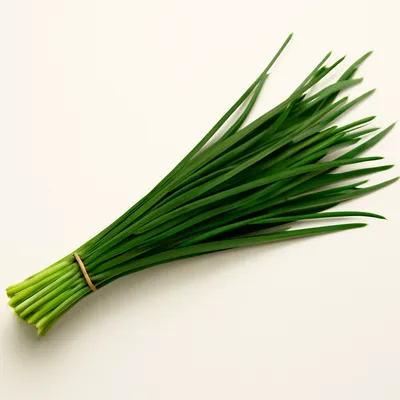


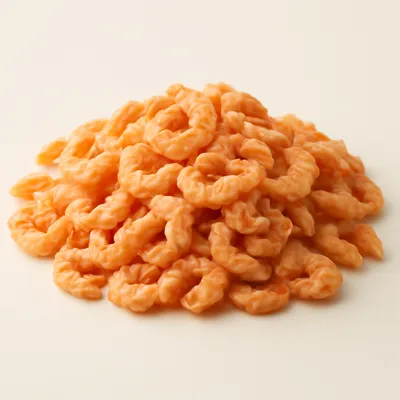
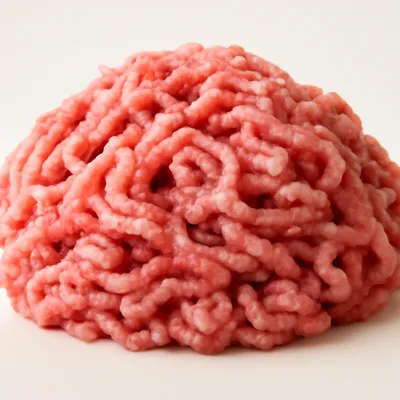

Chive kueh is one of the savory members of the Chaoshan translucent-skin kueh group, the everyday sibling of the bamboo-shoot kueh and a fixture of Teochew street and tea-stall eating. It is built on garlic chives, a green the region cooks freely, and like its relatives it is defined by its filling rather than by a molded festive shape. The pan-fry is part of its identity: where many kueh are steamed and offered, the chive kueh is most loved for the crisp base it takes on the griddle, sold sizzling from market stalls. It should not be mistaken for the northern Chinese chive pocket (韭菜盒子), which is a wheat-flour dough pan-fried flat — the Chaoshan kueh has the region's signature starch skin that steams glassy and chewy. As with most folk kueh, no founding date is recorded.
The base is the joy: a thin, lacy-crisp golden underside that crackles, giving way to a soft, slightly chewy translucent skin above. Inside, the chopped garlic chives are bright green and fragrant, just-wilted so they keep a little bite, lifted by the brine of dried shrimp and a little savory pork. The chive aroma is forward — grassy, pungent, garlicky — and the contrast of crisp bottom against tender top is the whole appeal. Eaten hot, with a chili-garlic or sweet sauce, it is light and savory; the moment the crisp base softens, much of the pleasure goes, so it is a straight-from-the-pan food.
The skin is a clear starch gel and the base crisps by frying, so timing the chives is the real care. As in the other translucent kueh, wheat starch scalded with boiling water gelatinizes and turns see-through, and sweet-potato starch is kneaded in for a chewier, stretchier skin that pleats without splitting; the dough is shaped warm while it is still supple. Garlic chives carry a lot of water and turn dark and slimy if salted or cooked too early, so they are chopped, dressed with oil to coat and seal them, and salted only at the last moment before filling — keeping them green and preventing the filling from weeping. The kueh is steamed about 6 to 8 minutes to set the skin clear and just cook the chives, then shallow-fried in a thin film of oil over medium heat: the flat underside browns by Maillard reaction into the prized crisp base while the top stays soft. Frying straight from raw is avoided because the thick chive filling would not cook through before the skin scorched.
Variations
The filling has room to vary: the plainest is chives alone, but dried shrimp, a little minced pork, or chopped fried egg are common additions, and some stalls add a few soaked glass noodles or diced firm tofu to bulk it. The skin can lean glassier (more wheat starch) or chewier (more sweet-potato starch), and a few cooks tint the dough faintly. Cooking style splits between the crisp-bottomed pan-fry that defines it and a softer all-steamed version; the dip ranges from a simple chili-garlic sauce to the sweetened soy or chili-sauce common to Teochew snacks. Across the Hokkien diaspora a closely related chive kueh (韭菜粿 / koo chai kueh) is sold in much the same form.
On the Palate
Where Chive Kueh sits in the Chinese flavor cloud
Ingredients
Serves 6

How it's made
7 steps · 50 min active + 20 min waiting
- 110 min
Wash and finely chop the garlic chives; toss them with a little oil to coat, and keep aside unsalted.
Watch outToss the chopped chives with oil and keep them unsalted — salting or cooking them early draws their water and turns them dark and slimy; the oil coats and seals them green.
- 210 min
Stir-fry dried shrimp and minced pork until fragrant and dry, season lightly, and cool; mix into the chives, salting only just before filling.
Watch outSalt the chive filling only just before you wrap — salt too soon and the water bleeds out and floods the skins.
- 312 min
Scald the wheat starch with boiling water into a paste, then knead in the sweet-potato starch and a little oil to a smooth, warm, pliable dough; cover.
Watch outScald the wheat starch with boiling water and shape the dough warm — cooled gelatinized starch stiffens and cracks when you fold it.
- 48 min
Divide the warm dough and press each piece into a thin round, working quickly before it stiffens.
- 510 min
Fill with the chive mixture, fold over and pleat the edge shut into a half-moon.
- 68 min
Steam over high heat for 6 to 8 minutes until the skin turns translucent and the chives are just cooked.
- 76 min
Shallow-fry the kueh in a thin film of oil over medium heat until the underside is golden and crisp; serve hot with a chili dip.
Archive tool suggestions — not reviewed
These legacy suggestions have not been evidence-reviewed and are not presented as required tools.


