
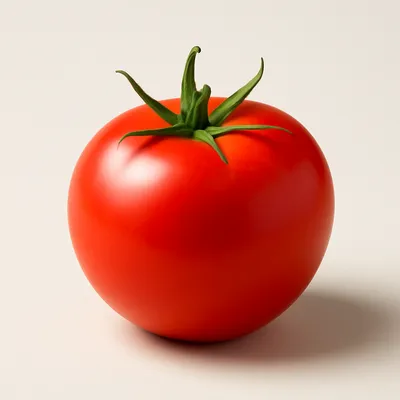
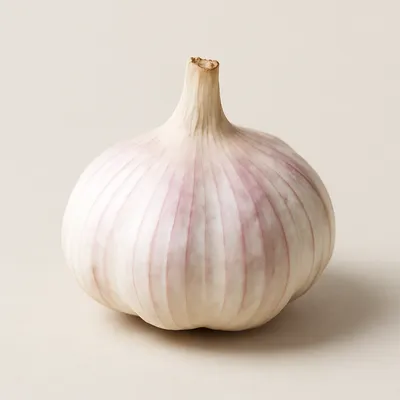
A Guanzhong noodle dish from Yangling, west of Xi'an, built on the local 裤带面 ("trouser-belt noodle") — a single broad, flat hand-pulled ribbon several centimetres wide and well over a metre long, so substantial it is sold by the strand rather than by weight. The noodle is boiled and served plain in its own bowl, over a bed of blanched greens, while a separate bowl holds a hot sour-and-spicy dip of stir-fried tomato and egg, mashed garlic, hot-oil chili, and vinegar. The diner lifts the ribbon into the dip and eats it bite by bite, re-dipping as they go.




Yangling, in the Guanzhong plain, was historically part of Wugong County and carries deep agrarian associations — the old district of 邰 is traditionally tied to Houji, the Zhou ancestor of agriculture — though that lineage belongs to the region, not to a datable origin for the noodle itself, whose inventor and age are unrecorded. A folk tale crediting a Tang emperor with naming the dish circulates but is legend, not documented history. What can be stated is that the craft of 杨凌蘸水面 (杨凌蘸水面制作技艺) is recognised as a Shaanxi provincial-level intangible cultural heritage in the sixth provincial batch, and that in recent decades it has been standardised and promoted locally, including work with Northwest A&F University on a group (association) standard.
The pull of the noodle is everything: white, smooth, and glossy, 2 to 3 millimetres thick and a hand's-breadth wide, it is springy and resilient — chewy without being hard — and broad enough that one mouthful is a real bite. Plain on its own, it carries the dip cleanly; the tomato-egg broth is bright and lightly sour, the garlic sharp, the hot-oil chili fragrant and red, all of it clinging to the wide ribbon as you draw it through. Done well the noodle is taut and slick and the dip warms and sours each piece; done badly it is gummy or torn from under-rested dough, or the dip is flat and the chili merely raw.
The belt depends on gluten. Higher-protein wheat flour worked with lightly salted water builds a strong network of glutenin and gliadin; repeated kneading aligns and develops it, and long, oiled rests (醒面) let the gluten relax so the dough can be drawn out thin and very long without snapping back or tearing — which is why a well-rested high-gluten dough yields one continuous wide ribbon. Salt tightens the gluten further, adding bite. The dough is pulled and slapped against the board at the pot to stretch it to its final width just before boiling, and a plunge into cold water after cooking firms the surface for extra spring. The dip's fragrance comes from the 油泼 step: smoking-hot oil poured over mashed garlic and ground chili flash-blooms their fat-soluble aroma compounds and capsaicinoids, giving the "garlicky, spicy, fragrant" lift over the bright acidity of the stir-fried tomato.
Variations
杨凌蘸水面 sits in the broad-noodle family of Guanzhong alongside the oil-splashed pulled noodle 油泼扯面 (the biáng-biáng noodle) and the rod-like 棍棍面, but is distinguished by service and shape: it is wider, thinner, smooth-edged, and eaten dipped from a separate bowl, whereas the oil-splashed pulled noodle is usually narrower but thicker, often frilly-edged, and eaten dry with the sauce poured over (油泼 or 三合一). The dip varies by household and season — some cooks use fermented sour 浆水 in place of or alongside the tomato-egg broth, and a fuller restaurant version may enrich it with mushrooms or seafood, while the everyday dip stays a simple tomato, egg, garlic, chili, and vinegar mix. The blanched greens range across spinach, alfalfa shoots, celery, and baby bok choy.
On the Palate
Where Yangling Dipped Noodles sits in the Chinese flavor cloud
Ingredients
Serves 2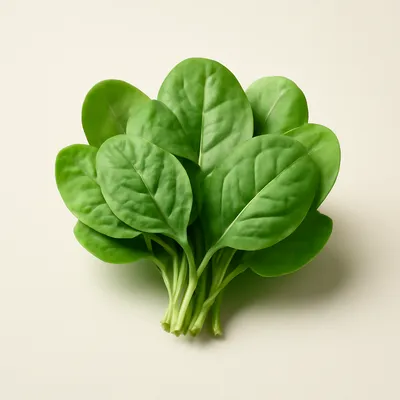

How it's made
7 steps · 35 min active + 55 min waiting
- 112 min
Mix higher-protein wheat flour with lightly salted water into a firm dough; knead until smooth, then cover and rest, kneading again over two or three rounds.
- 230 min
Divide into pieces, roll and shape each into a thick strip, brush with oil, cover, and rest again so the gluten relaxes fully — at least half an hour.
Watch outRest the oiled strips at least half an hour so the gluten fully relaxes — a well-rested dough pulls out into one long ribbon without snapping back or tearing.
- 38 min
Stir-fry tomato to a pulp, push aside and scramble in beaten egg, then add water and simmer into a light, lightly salted sour-savory broth; portion into dipping bowls.
- 43 min
Pile mashed garlic and ground chili in each dip bowl and pour smoking-hot oil over them to bloom the aroma; stir in vinegar, salt, and a little soy.
- 53 min
Blanch leafy greens briefly and divide them into the serving bowls as a bed.
- 63 min
At the boiling pot, take one rested strip and pull and slap it out into a single broad ribbon a few millimetres thick, then slide it into the rolling water.
Watch outPull and slap the strip out into one broad ribbon a few millimeters thick right at the pot — even thickness cooks evenly; thick spots stay doughy.
- 74 min
Boil the ribbon until cooked through and springy, lift it into cold water briefly, then drain and lay it over the greens; serve at once with the hot dip alongside, to be eaten bite by dipped bite.
Archive tool suggestions — not reviewed
These legacy suggestions have not been evidence-reviewed and are not presented as required tools.


