
Fuyang gela noodles are a tossed-noodle main from Fuyang, in the Huai-river belt of northern Anhui. Thick, round wheat noodles are pressed through a perforated press (a 饸饹床, like the one used for northern hele noodles) straight into boiling water, rather than hand-pulled, which gives them a stout, springy, chewy body. Once cooked and drained, they are dressed with sesame paste and chili oil and tossed with blanched mung-bean sprouts, then finished with a fragrant handful of jingjie (a mint-and-lemon-scented herb known in English as Japanese catnip). The bowl comes with a side of the starchy noodle-cooking water and is often rounded out with celery or soybeans. The diner mixes everything together before eating — the dish is literally named for that act of mixing.

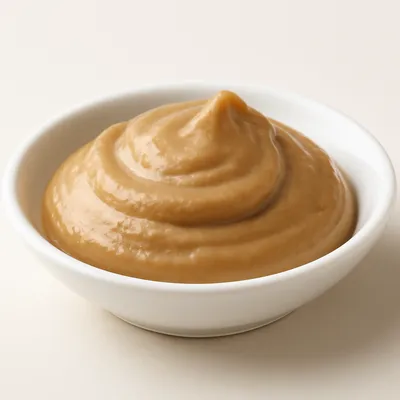


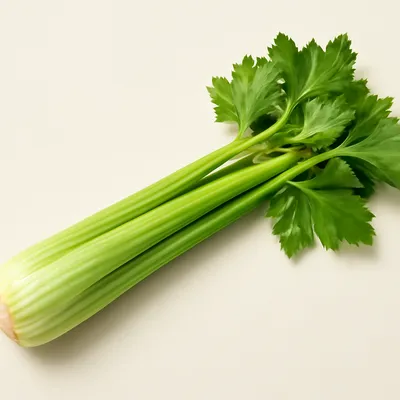
The name comes from the Fuyang dialect: gela (also written 搁拉, pronounced gé la) means "to stir / to mix / to toss." Because the diner must stir the sesame paste and chili oil thoroughly through the noodles before eating, the dish took its name from that action — the noodles "to-be-tossed." A popular local tale credits the poet Su Shi (Su Dongpo), who served as prefect of Yingzhou (modern Fuyang), with coining the name when a friend told him to "gela gela" (give it a stir) first; this is folklore rather than documented history, but it preserves the same dialect etymology. The pressing method is shared with northern hele (饸饹) noodles, and the local pairing with sesame paste, chili oil, sprouts and the herb jingjie reflects the cooking of the Anhui-Henan border in the Huai-river plain.
The first thing you notice is heft: gela noodles are far thicker and rounder than hand-pulled noodles — closer to a fat udon — with a dense, resilient, almost rubbery chew that springs back against the teeth. Pressed and shocked in cold water, a good strand stays taut and slick rather than soft or gummy. The sesame paste coats each noodle in a nutty, savory film; the chili oil cuts under it with warmth and a little smoke; the bean sprouts add a cool snap. Then the jingjie lands on top — a bright, cooling, mint-meets-lemon aroma that lifts the whole heavy bowl. A sip of the warm noodle water between bites loosens the paste and rinses the palate. Done badly, the noodles are overcooked and slack, the sesame paste sits in dry clumps instead of a smooth coat, and the bowl tastes flat and pasty.
The defining technique is extrusion, not pulling. A stiff, low-hydration wheat dough is forced through the round holes of a 饸饹床 (a lever-arm press) directly over the pot, so the strands drop into rolling water already shaped. Unlike hand-pulled or knife-cut noodles, the dough never needs to be elastic enough to stretch — it only needs to hold together under pressure — so the cook can use a tougher, higher-gluten dough that cooks up dense and chewy. A cold-water shock after boiling cools the surface fast, tightening the gluten network and rinsing off loose surface starch so the strands stay firm and separate. The sauce works as a loose emulsion: sesame paste is mostly oil and ground-sesame solids, and stirring it (plus a little of the warm starchy noodle water) lets the starch and water disperse the oil into a clinging coat instead of an oily puddle — which is exactly why the bowl must be tossed before eating. The jingjie is added raw at the end: its mint-and-lemon scent comes from volatile terpene aromatics that flash off with heat, so the residual warmth of the noodles releases them without cooking them away.
Variations
The sauce and garnishes shift bowl to bowl. The herb topping is the biggest swing: many stalls use jingjie when it is in season, but switch to or add regular coriander (香菜), and some skip the herb entirely. Beyond sprouts, common add-ins are blanched celery (芹菜), green beans (豆角) or boiled soybeans (黄豆). Heat varies from a mild drizzle of chili oil to a fierce spoonful of chili paste; some shops finish with a splash of vinegar or a little garlic water. Portions run from a small bowl to a large basin (大盆), and the side of noodle water (面汤) is near-universal — "original soup dissolving the original food." The same press-extruded noodle belongs to the wider northern hele (饸饹) family, of which Fuyang's sesame-paste-and-jingjie tossed style is the local Huai-river expression.
On the Palate
Where Fuyang Gela Noodles sits in the Chinese flavor cloud
Ingredients
Serves 2

How it's made
7 steps · 20 min
- 110 min
Make a stiff, low-hydration wheat dough: mix flour with a little salt and just enough water to form a tough, firm dough, then knead until smooth and rest it, covered, for about 30 minutes.
- 25 min
Bring a large, wide pot of water to a rolling boil and set the perforated press (a 饸饹床, or a noodle press) over it.
- 38 min
Prepare the toppings: blanch the mung-bean sprouts (and celery, if using) for under a minute and drain; rinse and tear the jingjie; loosen the sesame paste with a little warm water into a pourable cream.
- 45 min
Load the rested dough into the press and lever it down so the round strands extrude straight into the boiling water; cook just until they float and are done through, not soft.
Watch outCook the extruded strands just until they float and are done through, not soft — a stiff high-gluten dough is meant to stay dense and chewy.
- 53 min
Lift the noodles out and shock them in cold water two or three times until firm and slick, then drain well.
Watch outShock the noodles in cold water two or three times until firm and slick — this tightens the gluten and rinses off surface starch so they don't clump.
- 62 min
Pile the noodles in a bowl, add the sprouts and any vegetables, then spoon over the sesame paste and chili oil and top with the torn jingjie.
- 72 min
Ladle a little of the hot, starchy noodle-cooking water over the bowl and serve the rest as a side soup; toss everything together thoroughly before eating.
Archive tool suggestions — not reviewed
These legacy suggestions have not been evidence-reviewed and are not presented as required tools.


