
A Taiyuan home and street snack of seasonal vegetables dipped in a thin flour-and-egg batter, boiled in water until the batter sets into a tender skin around each piece, then drained and eaten by dipping into a cold sauce of aged Shanxi vinegar, mashed garlic and chili oil. Green beans, eggplant, potato slices, cabbage and spinach are the usual fillings, with elm seeds and locust blossom in late spring. Low in oil and vegetable-forward, it is a light, frugal piece of Shanxi home cooking eaten one piece at a time.



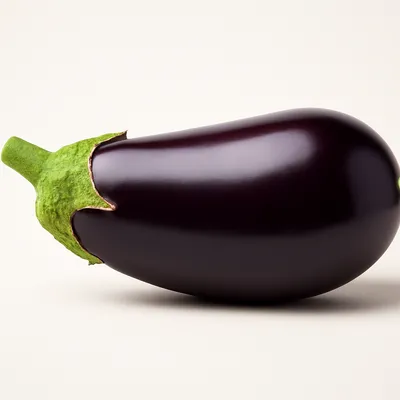
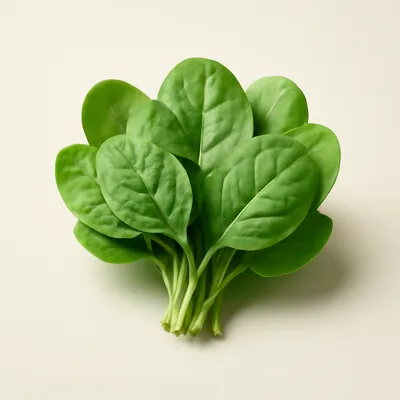

A folk home and street snack of the Taiyuan and Jinzhong region of Shanxi; its exact origin is undocumented and survives only as everyday household cooking. It is strongly associated with Qingxu county on Taiyuan's southern edge and the towns of central Shanxi — Fenyang, Pingyao, Jiexiu, Xiaoyi — and the Qingxu tradition has been entered into Shanxi's provincial register of intangible cultural heritage. Born of thrift, it turned whatever vegetables a household had, including foraged elm seeds and locust blossom, into a filling dish stretched with a little batter. The aged-vinegar, garlic and chili dip is the unmistakable Shanxi signature.
Each piece is a vegetable in a sheer, just-set skin of batter — the bean or eggplant still has its own snap or softness, sheathed but not buried. Plain out of the pot it is mild, almost bland; the dish lives in the dip. One swipe through the cold aged-vinegar, garlic and chili sauce and it turns sharp, sour-pungent and bright against the tender starch coat. You eat it piece by piece, dipping each one fresh, the vinegar cutting any heaviness so it stays light to the last.
The batter is the whole trick. Flour is whisked with egg and cold water — many cooks fold in pea flour at roughly three parts wheat to one, which adds binding so the coat clings instead of sliding off — and stirred in one direction to a smooth, medium body, neither runny nor stiff. Each vegetable piece is rolled first in dry flour, then through the batter so it coats evenly. Dropped into rolling water, the starch gelatinizes and the egg protein coagulates almost at once, setting a thin, tender skin that seals the vegetable's moisture inside; when the piece is cooked through it loses density and floats, the cook's cue to lift it out. Firm vegetables like green beans are blanched first so they finish in step with the quick-cooking coat, while soft slices of eggplant or potato go in raw. Because it is boiled, not fried, the dish stays low in oil; all the punch is added at the end, cold, by the vinegar-garlic-chili dip.
Variations
The vegetables are whatever is in season — green beans, eggplant, cabbage and spinach leaf, potato, fresh mushroom, and in late spring the foraged elm seeds and locust blossom. The batter is sometimes cut with pea flour or sorghum flour for body and color. The dip varies by household and is where the dish is personalized: the plain aged-vinegar, garlic and chili-oil sauce is the everyday default, while the most distinctly local version is built on a cooked tomato sauce rounded out with sesame oil, sesame paste, chive-flower paste, fermented bean curd, scallion and cilantro. Some cooks shape leafy greens into loose bundles rather than coating single pieces.
On the Palate
Where Zhanpianzi sits in the Chinese flavor cloud
Ingredients
Serves 3


How it's made
8 steps · 20 min
- 15 min
Whisk the flour (and pea flour, if using) with the egg, salt and cold water, stirring in one direction, into a smooth medium batter that is neither runny nor stiff.
Watch outStir the batter one direction to a smooth medium body, neither runny nor stiff — too thin and it slides off, too thick and the coat bakes gummy.
- 24 min
Trim the green beans whole and blanch briefly until just short of done; slice eggplant and potato thin and leave them raw; wash leafy greens.
- 31 min
Toss the prepared vegetables in a little dry flour so the batter will grip.
- 43 min
Bring a wide pot of water to a rolling boil.
- 52 min
Coat each vegetable piece evenly in the batter and slip it one at a time into the boiling water.
Watch outCoat each piece evenly and drop it in genuinely boiling water — the starch and egg set a thin skin at once that seals the vegetable's moisture in.
- 62 min
Boil until the batter sets into a skin and the pieces float to the surface, about two minutes.
- 71 min
Lift out, drain well and arrange on a plate.
- 82 min
Mix the aged vinegar, mashed garlic and chili oil into a cold dipping sauce and serve alongside, dipping each piece as you eat.


