
A laminated, croissant-style bun filled with chocolate ganache, brushed with more chocolate and buried under a heavy dusting of cocoa — so messy to eat that it smears your hands and mouth, which is the whole joke behind the name. It shatters into flaky layers, then turns molten and bittersweet at the centre. It was the breakout viral bakery item of the late-2010s in China, the dessert everyone photographed mid-bite.





The original is descended from the Japanese chocolate-cornet and croissant idea, recast as a cocoa-buried chocolate bun. In China it was popularised by the Beijing shop Bad Farmers and Our Bakery, which entered the Sanlitun district in May 2017 selling it in limited runs; the early push fell flat until, in December 2017, a wave of celebrities posted themselves eating it on Weibo and it shot onto the trending lists as one of that year's viral foods. Through early 2018 it went fully commercial, with industrial bakeries and chain shops rolling out their own versions, and it became the defining over-the-top viral bake of the era — before the hype, as such hype does, cooled.
It looks deliberately filthy: a dark, cocoa-caked lump that powders your fingers before you have even bitten in. The first bite shatters — flaky, buttery laminated layers, crisp at the edges — and then gives way to a soft, warm, bittersweet chocolate core that smears across your lips. The cocoa dusting is dry and faintly bitter against the sweet ganache. It is best warm, when the centre is loose and molten; cold, the chocolate stiffens and the layers lose their snap.
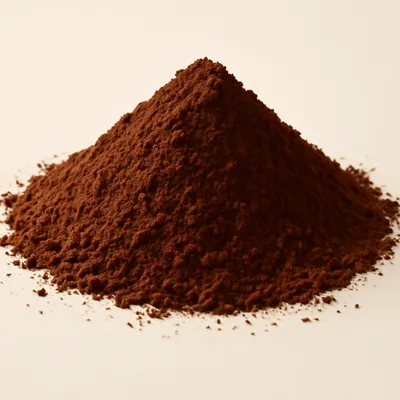
The flaky shell is lamination. Butter is folded into the dough again and again to build dozens of alternating layers of dough and fat; in the oven the water in the butter flashes to steam and pushes the dough layers apart, and the heat sets them into crisp leaves — the same physics as a croissant. The filling is ganache, chocolate emulsified into warm cream, which stays soft and turns molten when the bun is warmed. The cocoa coat is pure powder, with none of cocoa butter's melt, so it reads dry and bitter — a deliberate counterweight to the sweet, fatty interior, and the source of the mess.
Variations
The orthodox version is croissant-laminated with a dark-chocolate ganache and a thick cocoa coat; industrial and chain versions often use a softer, non-laminated sweet dough and a lighter dusting, trading the shatter for shelf-life. Spin-offs multiplied at the peak — matcha, taro, salted-egg and durian fillings, even dirty-style toast and buns — and prices were briefly inflated by hype and resellers before the trend faded.
On the Palate
Where Zangzang Bao sits in the Chinese flavor cloud
Ingredients
Serves 6

How it's made
6 steps · 1 hour 30 min
- 1240 min
Make a yeasted dough, then laminate in cold butter with repeated folds and chilling.
Watch outKeep the butter cold through every fold — if it warms and smears into the dough the layers merge and the shell bakes dense instead of flaky.
- 2120 min
Roll out, shape into buns, and proof until puffy.
- 320 min
Bake until the layers are crisp and golden.
Watch outBake until the layers are crisp and deeply golden — underbaked and the leaves stay soft and won't shatter.
- 415 min
Warm cream and melt chocolate into it to make ganache; let it thicken.
- 510 min
Fill the cooled buns with ganache and brush the tops with melted chocolate.
- 62 min
Dust heavily with cocoa powder and serve slightly warm.
Archive tool suggestions — not reviewed
These legacy suggestions have not been evidence-reviewed and are not presented as required tools.


