
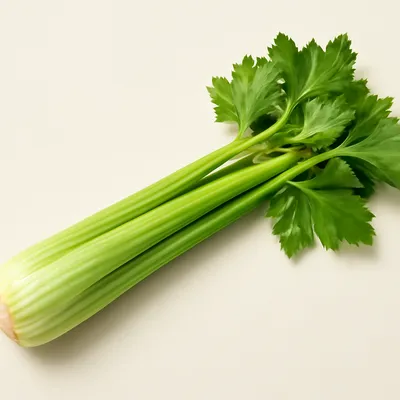
A home-style noodle dish of Luoyang and Zhengzhou in central Henan, cooked not in water or stock but in 浆 — the sour fermented whey left over from grinding mung beans (or peas) for starch. The whey is heated until it foams and is stirred smooth, then wheat noodles cut to chive-leaf width are simmered in it until the broth thickens to a pale, milky body. It is finished with diced celery and pre-soaked soybeans, and served with chive-flower paste, chilli oil, and pickled sweet garlic on the side. The defining note is a clean lactic sourness; the dish is eaten thick and is as good lukewarm as hot.




Fermented mung bean noodle soup grew out of a frugal use of a by-product: when households ground mung beans or peas to settle out the starch (粉芡), the leftover whey would sour after a day or two, and rather than throw it away cooks used it to cook noodles. The dish is firmly associated with Luoyang, where the technique 老雒阳面食制作技艺, also called 浆面条制作技艺, is listed as a provincial-level intangible cultural heritage of the city's 西工 district. A local folk story attributes it to Liu Xiu, the Eastern Han founder, said to have been fed soured whey and dried noodles while fleeing his enemies, but this is told only as legend; the exact origin and date are unrecorded. A closely related Henan dish, 粉浆面条, is documented in nearby Fugou and Xihua counties.
The broth is the point: thick, pale, and milky, coating the noodles and clinging to the spoon, never a thin watery soup. The first taste is a soft lactic tartness — fresh and almost yoghurt-clean, not the sharp sting of vinegar — under a faint mealy sweetness from the beans. The noodles are slippery and a touch soft from simmering in starch; the diced celery snaps green against them, the soaked soybeans give a firm, nutty bite, and a spoon of chilli oil and chive-flower paste lifts the whole bowl. Done well it is glossy and integrated. Done badly the whey has 'broken' into watery liquid with curd-like flecks, or it has soured so far past its peak that the taste turns acrid and stale.
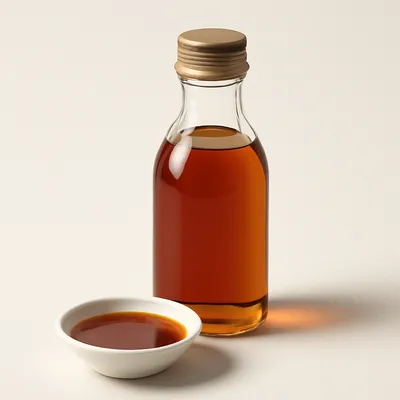
The whole dish rests on lactic fermentation and starch. Ground mung beans or peas left to stand are colonised mainly by lactic-acid bacteria and yeasts, which ferment the residual sugars and turn the whey sour over a day or two; that lactic acid, not vinegar, is what gives the clean tartness. The whey also still carries fine bean starch and protein in suspension. Heated toward boiling, at around 80°C the proteins begin to flocculate and a white foam rises; if left alone the whey curdles and 'breaks' (澥) into watery liquid and flecks, so it must be stirred constantly and the foam skimmed until the body turns smooth — a little sesame oil stirred in helps settle it and keeps it from boiling over. Once stabilised, the noodles are added and their starch, together with the suspended bean starch, gelatinises and thickens the broth into its signature milky body. The trick is heat control and an unbroken stir.
Variations
The closest sibling is 粉浆面条 of Fugou and Xihua in eastern Henan, made the same way from soured starch whey and often counted as the dish's birthplace. Within Luoyang, families differ on the beans (mung bean is most common, but peas or even black beans appear) and on the noodles (fresh-cut wheat, or leftover dried noodles in the thriftier original). The toppings are flexible: besides diced celery and soaked soybeans, cooks add diced carrot, pickled vegetable, peanuts, or coriander, and almost always serve chive-flower paste, chilli oil, and pickled sweet garlic alongside. A common saying holds it tastes better reheated the next day, once the flavour has settled.
On the Palate
Where Fermented Mung Bean Noodle Soup sits in the Chinese flavor cloud
Ingredients
Serves 4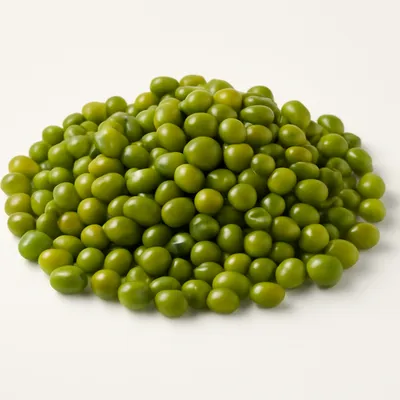


How it's made
6 steps · 30 min
- 120 min
A day or two ahead, soak mung beans (or peas), grind them with water into a coarse slurry, and filter through cloth; leave the whey to stand in a crock for 24-48 hours until it smells and tastes sour.
Watch outLet the whey stand a day or two until it smells and tastes cleanly sour — that lactic tartness, not vinegar, is the whole point, so don't rush it.
- 220 min
Make the noodles: knead wheat flour with a little of the whey-thinned water, rest the dough, then roll it out and cut into noodles about as wide as a chive leaf.
- 38 min
Pour the soured whey into a pot and heat gently toward a boil, stirring constantly; as a white foam rises around 80°C, skim it and keep stirring until the body turns smooth, then stir in a little sesame oil.
Watch outStir constantly as the white foam rises around eighty degrees and skim it — leave it and the whey curdles and 'breaks' into watery flecks.
- 410 min
Add the noodles and the pre-soaked soybeans and simmer, stirring often, until the noodles are cooked and the broth has thickened to a milky body.
- 52 min
Stir in the diced celery near the end so it stays green and slightly crisp; adjust salt.
- 62 min
Ladle into bowls and serve with chive-flower paste, chilli oil, and pickled sweet garlic on the side, to be stirred in to taste.
Archive tool suggestions — not reviewed
These legacy suggestions have not been evidence-reviewed and are not presented as required tools.


