
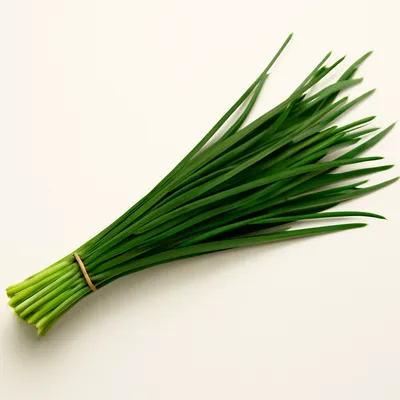
A Chaoshan kueh whose name means 'no-rice kueh' — the skin is made from sweet-potato starch rather than the usual rice flour, so it steams into a dark, glassy, springy wrapper. It is filled with savory mixtures, classically chopped garlic chives or a shredded potato-and-radish mix, and most loved pan-fried so the base crisps. A specialty of the Puning–Jieyang area of eastern Guangdong, it is a familiar tea-stall and night-market snack, eaten hot with a chili or sweet-sauce dip. The translucent grey skin and the crisp-fried bottom are its signatures.



Wu mi kueh is a savory kueh of the Chaoshan region, most closely identified with the Puning and Jieyang area of eastern Guangdong. The name is the point of the dish: 'no-rice kueh' marks it out from the many rice-flour kueh because its skin is made from sweet-potato starch, a cheaper and locally abundant staple, which is exactly why it took hold as a humble everyday snack. It sits with the chive kueh and bamboo-shoot kueh in the family of translucent-skinned, pan-fried Chaoshan kueh, distinguished by that all-starch, rice-free wrapper. Like its relatives it is defined by its filling rather than a festive molded form, and as a folk street food it carries no documented founding date — what is fixed is the name's meaning and the sweet-potato-starch skin it describes.
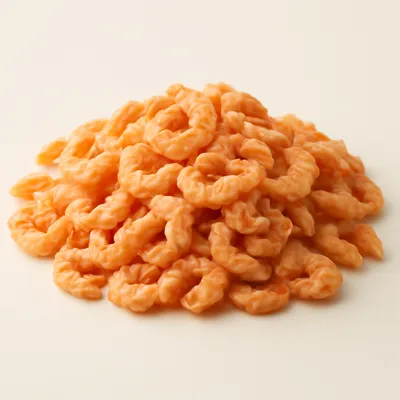
The skin is the curiosity: dark grey and glassy, far more translucent and bouncier than a rice-flour kueh, with a soft, mochi-like chew that pulls a little. Pan-fried, its underside crisps to a thin golden crackle against that springy body. The filling carries the flavor — fragrant garlic chives, or a savory tangle of shredded potato and radish, seasoned with dried shrimp, white pepper and fish sauce, salty and aromatic. The eating is a play of textures: a chewy, slightly slippery skin, a crisp fried base, and a soft savory heart, all best while hot. Plain, the skin is nearly tasteless, so the dip and the filling do the work.
An all-sweet-potato-starch skin behaves quite differently from a rice or wheat one, and handling it is the technique. The starch is partly scalded with boiling water so a share of it gelatinizes; that cooked paste is kneaded into the rest to make a dough that is sticky, very stretchy and, once steamed, dark and glassy with a springy mochi-like pull — the long amylopectin chains of sweet-potato starch give that bounce, where rice flour would be softer and more crumbly. The dough is worked warm and the hands are oiled, because pure starch dough is tacky and tears if pressed too thin cold. The filling is cooked and cooled first to keep it from steaming the skin slack from inside; chive filling in particular is oiled and salted only at the last minute so it does not weep. Steaming about 8 minutes sets the skin clear; the final shallow-fry browns the base by Maillard reaction, the contrast of crisp bottom and chewy skin that the kueh is loved for.
Variations
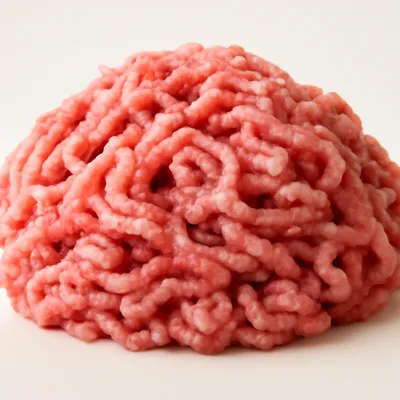
The fillings split it: the chive-stuffed version is the best-known, while a savory shredded potato-and-radish (or potato alone) filling is the other Puning classic, sometimes with mushroom, dried shrimp or a little pork worked in. Cooking is usually the crisp-bottomed pan-fry, though it can be eaten softer straight from the steamer. The skin can be all sweet-potato starch for the bounciest, darkest wrapper, or cut with a little wheat starch for an easier-to-handle, somewhat clearer dough. It is closely related to the wider family of Teochew kueh and to the Hokkien sweet-potato-flour snacks of the same lineage; the dip is the usual Chaoshan chili-garlic or sweetened sauce.
On the Palate
Where Wu Mi Kueh sits in the Chinese flavor cloud
Ingredients
Serves 6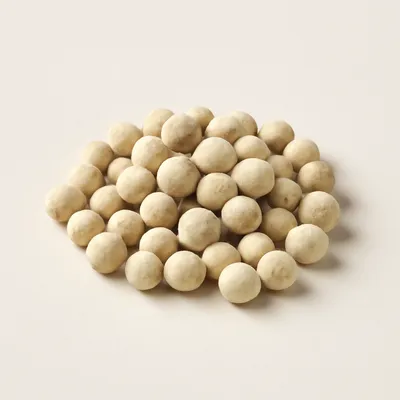

How it's made
7 steps · 50 min active + 25 min waiting
- 112 min
Prepare the filling: for the chive version, chop garlic chives and toss with oil; for the potato version, finely shred potato and radish and squeeze out water.
- 212 min
Stir-fry the filling base (dried shrimp, a little pork, mushroom) until dry and fragrant, season with fish sauce and white pepper, and cool; for chives, combine and salt only just before filling.
- 312 min
Scald part of the sweet-potato starch with boiling water to a thick paste, then knead in the remaining starch and a little oil to a sticky, stretchy, warm dough.
Watch outScald part of the sweet-potato starch to a thick paste, then knead it warm — that cooked paste is what makes the dough stretchy and glassy; work it cold and it tears.
- 48 min
With oiled hands, divide the warm dough and press each piece into a thin round.
- 510 min
Fill, fold over and pinch or pleat the edge shut into a half-moon, sealing well.
- 68 min
Steam over high heat for about 8 minutes until the skin turns dark and translucent.
Watch outSteam about 8 minutes until the skin turns dark and translucent — that glassy color is your done signal for the pure-starch wrapper.
- 76 min
Shallow-fry the kueh in a thin film of oil over medium heat until the base is golden and crisp; serve hot with a chili or sweet-sauce dip.
Archive tool suggestions — not reviewed
These legacy suggestions have not been evidence-reviewed and are not presented as required tools.


