A peach-shaped steamed-then-lard-warmed Teochew rice cake from Chaoyang district, historically bound with horseshoe crab juice. Today its tender paste of sweet potato starch and rice porridge wraps a filling of shrimp, mushrooms, and quail egg, served sauced with soy, chili, and sha cha — the defining street food of Chaoyang's Miancheng quarter.



Khor kueh traces to Chaoyang (棉城), Shantou, documented in local records since at least the Kangxi reign of the Qing Dynasty (1662–1722). The Chaoyang County Annals record: 'Khor kueh is the finest of all rice-paste cakes; in the Kangxi era it was served to honored guests.' Two folk accounts circulate. One tells of a filial daughter-in-law who ground rice congee smooth and mixed it with horseshoe crab juice to create a gentle, digestible cake for her toothless mother-in-law. Another attributes it to fisherfolk who mixed the blue blood of shore-stranded horseshoe crabs into leftover rice gruel and discovered the flavor by accident. The horseshoe crab (鲎) is a living fossil unchanged for over 400 million years; its blue hemolymph — copper-based hemocyanin rather than the iron-based hemoglobin of mammals — was historically prized for perceived medicinal properties. It is now a nationally protected species in China and no longer used in the dish.
The exterior is silky and faintly rich from lard-warming; inside, the semi-translucent paste contrasts with firm shrimp, earthy mushroom, and a yielding quail egg. Soy, chili, and sha cha sauce in combination cut through the starchy softness.
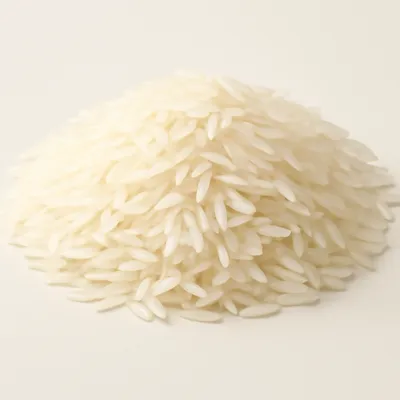
Sweet potato starch blended with rice porridge forms the paste: the pre-gelatinized starch in the congee acts as an initial binder, while raw potato starch granules fully swell and gelatinize during steaming to build a tender, semi-translucent gel. The subsequent lard-warming at low heat (approximately 80°C) heats the interior without disrupting the gel, while the surface undergoes mild Maillard browning to form a thin golden skin that locks in moisture.
Variations
Iron-plate grilled version (铁板鲎粿) uses high direct heat and black pepper sauce — a recent street innovation. Some Chaoyang shops add a splash of fish sauce to the paste to approximate the original crab-juice umami. A vegetarian version substitutes mushroom stock for seafood entirely.
On the Palate
Where Horseshoe Crab Rice Cake sits in the Chinese flavor cloud
Ingredients
Serves 4


How it's made
8 steps · 40 min
- 160 min
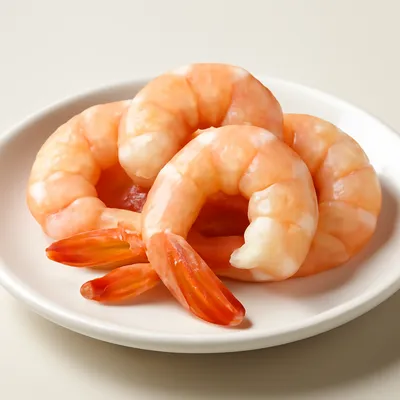
Soak 20 g dried shiitake mushrooms in cold water for 1 hour. Drain, squeeze out excess water, and slice thinly. Shell 8 fresh shrimp; dice 30 g pork belly into small cubes.
- 25 min
Blend 200 g cooked white rice porridge with 80 g sweet potato starch, 1 tsp salt, and ½ tsp white pepper until completely smooth.
- 33 min
Grease 4 peach-shaped molds generously with lard inside. Pour paste into each mold to 60% capacity.
- 45 min
In the center of each mold place 1 raw quail egg, 2 shelled shrimp, a few mushroom slices, and a few pork belly cubes.
- 52 min
Pour additional paste over the filling to reach 90% capacity, fully covering the filling.
- 635 min
Steam over high heat for 25 minutes until the paste is firm and translucent throughout. Remove from molds and cool on a rack for 10 minutes.
Watch outSteam twenty-five minutes until the paste is firm and translucent right through — still opaque in the middle means the starch hasn't fully gelled.
- 78 min
Heat 4 tbsp lard in a heavy pan over very low heat to approximately 80°C. Gently submerge kueh pieces and warm through for 6–8 minutes, turning once, until the surface turns lightly golden.
Watch outWarm in low-heat lard around eighty degrees just until the surface turns lightly golden — hotter and the tender gel toughens instead of forming a thin skin.
- 82 min
Transfer to plates; drizzle generously with soy sauce, sha cha sauce, and chili sauce. Serve immediately.
Archive tool suggestions — not reviewed
These legacy suggestions have not been evidence-reviewed and are not presented as required tools.


