A summer classic from West Lake's shores: pork belly marinated in soy and sweet paste, coated in five-spice toasted rice flour, wrapped in fresh lotus leaf, and steamed for two hours. The rice crust turns silken and fragrant; the pork collapses to pull-apart tenderness; the lotus leaf perfumes both with a green, cooling breath that is impossible to replicate any other way.



The dish emerged in late-Qing Hangzhou, by folk tradition attributed to restaurant cooks catering to summer visitors strolling the West Lake. The Quyuan Garden of the Wind-Borne Lotus scenic area — originally a Song-era imperial wine-production yard with extensive lotus grounds, whose name was reworked to its current form by Emperor Kangxi during his southern tours — is traditionally credited as the setting: cooks there wrapped seasoned pork and toasted spiced rice flour in the garden's fresh lotus leaves, producing a fragrant, portable package for lakeside diners. As the scenic spot's fame grew, so did the dish's reputation. In 1956, the Zhejiang provincial government formally certified thirty-six canonical Hangzhou dishes, and Lotus-Leaf Rice-Flour Steamed Pork was among them — a recognition that confirmed its place in the Zhejiang culinary tradition. Ningbo kitchens adopted the same technique with locally grown lotus leaves, making it a shared heritage of both cities.
Unwrap the parcel at the table: a gust of lotus-scented steam escapes as the leaves unfold. The rice-flour coat is silken and moist, not gritty; the pork beneath is essentially boneless, the fat so well rendered it has merged into the grain of the coating. A clean, summery sweetness runs through every bite.
Dry-toasting the rice with whole spices at around 160°C triggers pyrolysis of the starch's outer layers, generating pyrazine and furan aromatic compounds that survive steaming and anchor the flour's fragrance. When the coated pork enters the steamer, the starch granules absorb water and gelatinise between 60–80°C, swelling to three to five times their dry size and forming a gel matrix that traps the fat and juices released from the pork belly above 70°C. The lotus leaf contains tannins and long-chain polyphenols that slowly leach into the rice coat and meat during the two-hour steam, contributing a subtle astringency and fresh vegetal note. This natural perfuming effect cannot be replicated by lotus extract or dried leaf — fresh leaves are essential.
Variations
Some Ningbo households substitute glutinous rice for regular rice, yielding a stickier, chewier coating. A tablespoon of sweet bean paste in the marinade produces a richer, slightly sweeter result. A minimal summer version uses plain unspiced rice flour, relying entirely on the lotus leaf's natural aroma for fragrance.
On the Palate
Where Lotus-Leaf Rice-Flour Steamed Pork sits in the Chinese flavor cloud
Ingredients
Serves 4


How it's made
8 steps · 38 min active + 3 hours 2 min waiting
- 112 min
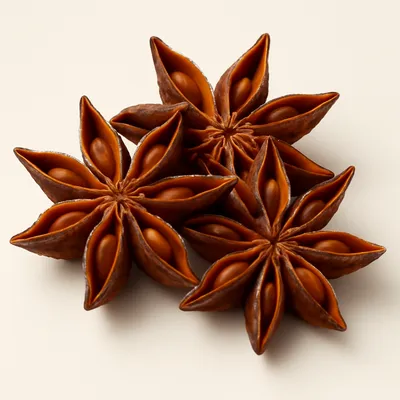
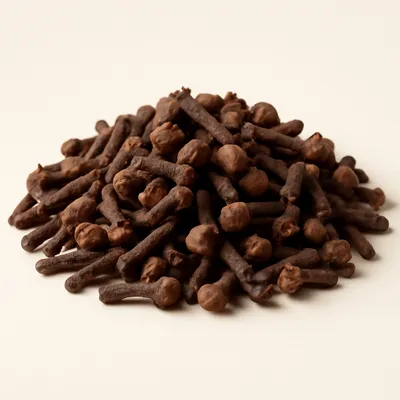
Dry-fry rice with star anise, cloves, and cinnamon in an ungreased wok over low heat, stirring constantly, until grains are pale gold and fragrant, about 10 minutes; cool and grind to a coarse powder.
Watch outDry-toast the rice with the spices until pale gold and nutty — this pyrolyzes the starch into a fragrance that survives the long steam.
- 25 min
Cut pork belly into 3–4 cm thick blocks; score the fat side with a shallow cross-hatch to help marinade penetrate.
- 362 min
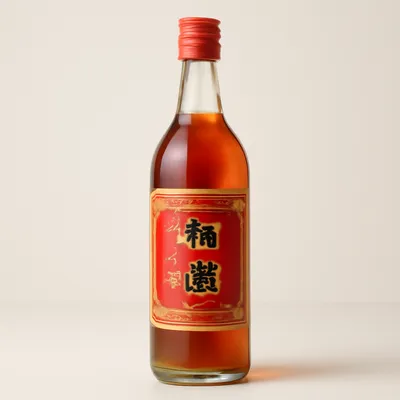
Combine soy sauce, sweet bean paste, Shaoxing rice wine, sugar, ginger, and scallion; add pork blocks; toss thoroughly and marinate at least 1 hour.
- 45 min
Blanch fresh lotus leaves in boiling water for 30 seconds to soften; cut into pieces roughly 30 cm square, large enough to enclose a single pork block.
- 55 min
Remove pork from marinade; toss each piece with the rice powder until thoroughly coated on all sides.
- 68 min
Place each coated piece skin-side down in the centre of a lotus-leaf section; fold the leaf over to form a tight parcel; arrange parcels fold-side down in a steamer basket.
- 7120 min
Steam over high heat for 2 hours, adding boiling water to the pot as needed to maintain vigorous steam.
Watch outSteam a full two hours, topping up boiling water — the rice coat needs this long to swell into a gel that traps the pork's juices.
- 83 min
Bring parcels to the table unopened; unwrap each at the table and eat directly from the lotus leaf.
Archive tool suggestions — not reviewed
These legacy suggestions have not been evidence-reviewed and are not presented as required tools.


