A foundational Cantonese dim sum taro cake: taro cubes and rice-flour batter loaded with dried shrimp, lap cheong, and cured pork belly, steamed into a dense savoury slab then pan-fried to order for a crispy gold crust. Found in teahouses from Guangzhou and Chaoshan to Hong Kong and Macau.
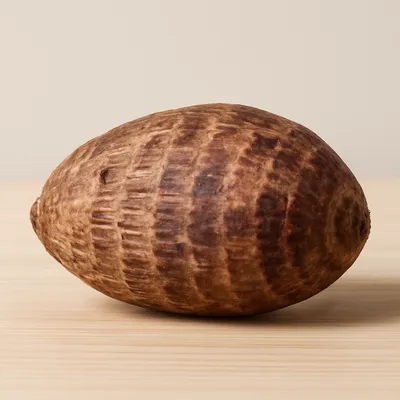
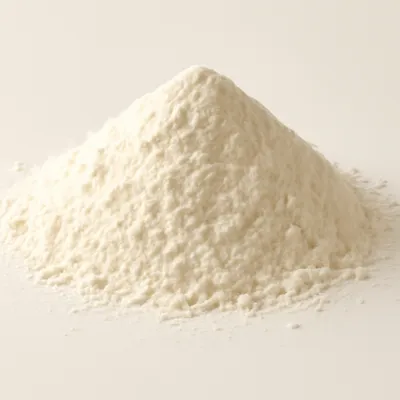




Taro cake is a pan-Guangdong dim sum classic found in teahouses across Guangzhou, Chaoshan, Yangjiang, Foshan, Hong Kong, and Macau. It belongs to the broader tradition of Cantonese savory rice-flour cakes alongside radish cake and water chestnut cake — all sharing the technique of steaming then pan-frying a starch-set batter. Taro, long cultivated across Guangdong, provides the starchy, slightly sweet base that absorbs and amplifies the umami of preserved meats and dried seafood.
The gold crust shatters on the first bite to reveal soft, yielding taro that clings to the palate. Dried shrimp, lap cheong, and cured pork arrive in staccato bursts of umami and fat. It tastes of the dim sum trolley, of weekend mornings in a loud and crowded Guangzhou teahouse.
Taro contains calcium oxalate crystals that cause astringency when raw; cooking at high temperature reduces these crystals, eliminating the sensation. Rice flour is first partially pre-gelatinised with boiling water (烫浆), so that when the full mixture is steamed, it sets into a firm but porous cake structure — lighter than pure steamed taro paste but more shape-retaining than straight rice slurry. Pan-frying at around 180°C triggers Maillard reactions between the surface starch, lap cheong fat, and amino acids, forming the characteristic crispy golden crust.
Variations
Cantonese-style loads in lap cheong, dried shrimp, and mushrooms; Chaoshan versions sometimes omit the sausage and add minced celery for freshness. Hong Kong teahouses may thin the batter for a more delicate texture. A sweet version replaces all savory additions with red sugar and coconut milk.
On the Palate
Where Taro Cake sits in the Chinese flavor cloud
Ingredients
Serves 6
How it's made
7 steps · 25 min
- 115 min
Peel taro and dice into 1 cm cubes; dice Chinese sausage and cured pork belly; soak dried mushrooms and dried shrimp in warm water until soft, then chop
- 28 min
Heat oil in a wok; sauté shrimp, sausage, pork belly, and mushrooms until fragrant and slightly caramelized; season with salt, white pepper, and five-spice; set aside
- 35 min
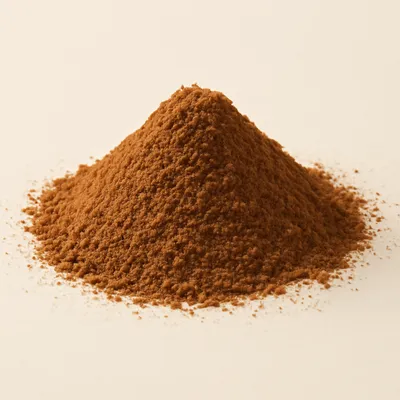
Mix rice flour with cold water to a smooth slurry; while stirring, gradually pour in sufficient boiling water to partially pre-gelatinize — the batter should become slightly thickened and translucent
Watch outStream the boiling water into the rice slurry while stirring until it turns slightly thickened and translucent — this half-cooked batter is what sets firm yet porous, not dense.
- 43 min
Fold taro cubes and the sautéed filling mixture into the rice flour batter; stir well to combine evenly
- 53 min
Brush a square baking pan with oil; pour in the taro batter; smooth the surface; scatter reserved shrimp and sliced scallion on top
- 640 min
Steam over high heat for 40 min until a skewer inserted in the centre comes out clean; remove and cool completely before slicing
Watch outIt's done when a skewer comes out clean with no raw batter — then cool it completely before slicing, or the cake tears apart.
- 78 min
Heat a little oil in a non-stick pan; fry slices over medium heat until golden and crispy on both sides; serve hot
Watch outFry the slices to golden and crisp on both sides — that browned crust comes from the sausage fat and starch catching on the hot pan.
Archive tool suggestions — not reviewed
These legacy suggestions have not been evidence-reviewed and are not presented as required tools.


