
A Dazhou specialty of beef sliced so thin it is translucent — held up to a lamp, the light passes through, hence the name. Spiced, dried, then fried and tossed with chili oil and Sichuan peppercorn into a crisp, numbing-hot snack eaten cold with wine.




A specialty of Dazhou (formerly Daxian) in eastern Sichuan, dated to 1896 (the 22nd year of the Guangxu reign). Local records credit the cured-meat seller Liu Zhonggui (刘仲贵), whose ordinary spiced beef slices were thick and hard to chew and sold poorly; he reworked them, slicing lean yellow-cattle beef into large wafer-thin sheets, curing them with cloves, star anise and other spices, drying them, baking them over a low fire and steeping them in sesame oil. To draw custom he strung the finished slices on threads and hung them in his shop; passersby found them so thin that a lamp behind them cast a shadow through the meat — like a shadow-puppet show (then called 灯影戏) — and the snack took the name Lantern Shadow Beef. It was shown at the 10th Sichuan Industrial Exhibition in Chengdu in 1927 and became known nationwide. "Tongchuan Lantern Shadow Beef" was granted Geographic Indication protection on 11 February 2015, and the traditional craft is a provincial-level intangible cultural heritage item.
Large sheets of beef pared down to a millimeter or less — thin enough that a lamp shows through, deep red and faintly glossy with oil. It does not chew like jerky: it shatters and melts, crisp and dry rather than tough, dissolving to nothing on the tongue (化渣). The flavor lands savory and a little sweet, then the chili heat, then the slow tingling-numb climb of Sichuan peppercorn. A prized cold snack with wine, eaten in small translucent slices, not torn or gnawed.
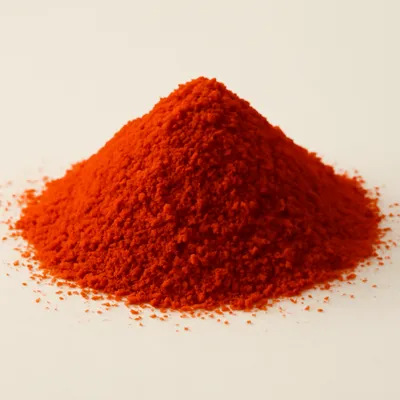
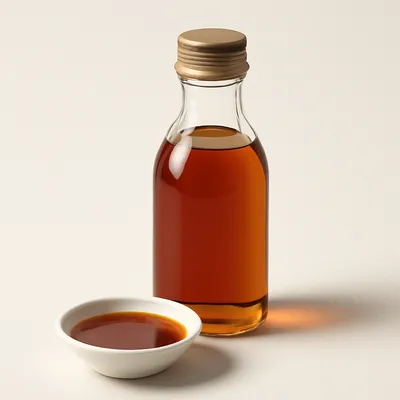
Translucency comes first from the knife: lean, sinew-free hindquarter beef (腱子肉) is pared along the grain into sheets a millimeter or less thick, so a lamp shows through. Crispness comes from driving out water in stages — salt-and-spice curing and a long air-dry firm the slices and turn them deep red, charcoal-baking dries them through, and a brief steaming sets the texture before frying. The fry is the opposite of a hot sear: the oil is dropped to a low heat (about three-tenths, ~90-120°C) and the slices are fried slowly so the last moisture leaves without scorching the wafer-thin meat, leaving it dry and shatter-crisp rather than burnt. The mala finish is tossed off-heat: chili powder for heat and color, plus Sichuan peppercorn (花椒), whose numbing tingle is the compound hydroxy-α-sanshool — it activates the skin's RA1 touch fibers (tuned to roughly 10-80 Hz vibration), so the "ma" is felt as a fine buzzing rather than tasted. A finishing film of sesame oil carries aroma and keeps the slices from drying out.
Variations
Traditional Dazhou versions are charcoal-baked on bamboo trays (筲箕) and steeped in sesame oil; modern factory versions vacuum-pack the slices for shelf life, with hot-air drying in place of the charcoal fire. The seasoning ranges from a straightforward mala (chili plus Sichuan peppercorn) to milder spiced or lightly sweet styles for those who cannot take the numbing heat. Tongchuan-style Lantern Shadow Beef carries the Geographic Indication; cheaper imitations sometimes use pressed or thicker-cut beef that chews tough and never turns translucent.
On the Palate
Where Lantern Shadow Beef sits in the Chinese flavor cloud
Ingredients
Serves 4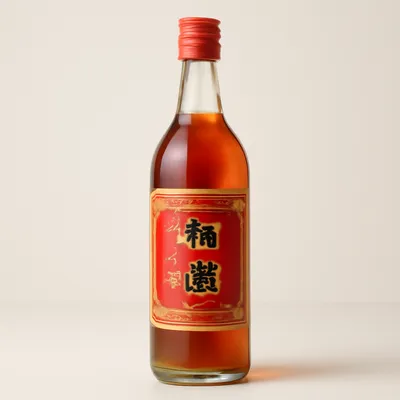


How it's made
8 steps · 40 min
- 110 min
Choose lean, sinew-free hindquarter beef (topside or shank). Trim off all membrane and fat; do not rinse with water, just wipe clean.
- 225 min
With a long thin blade, pare the beef along the grain into the largest, thinnest sheets you can manage — about a millimeter thick, thin enough to see light through.
Watch outPare the beef along the grain into sheets thin enough to see light through — thicker slices never crisp translucent, and that see-through look is the whole dish.
- 3840 min
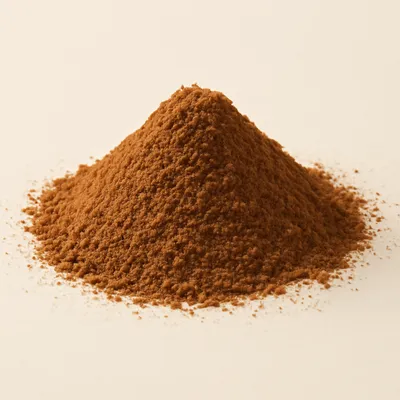
Lay the sheets flat, sprinkle evenly with salt and ground spices (cloves, star anise, five-spice), roll them into a loose cylinder, and leave to cure and air-dry until deep red — about 14 hours in summer, up to a few days in cold weather.
- 415 min
Spread the dried slices on a wire rack or bamboo tray and bake over a low charcoal (or oven) fire about 15 minutes until firm and dry.
- 5120 min
Steam the baked sheets about 30 minutes, then cut into pieces roughly 4 cm by 2 cm and steam again about 1.5 hours until tender.
- 68 min
Heat oil to about six-tenths (~180°C), fry a few ginger slices to scent it and remove them; let the oil fall to about three-tenths (~90-120°C).
Watch outFry a few ginger slices at higher heat to scent the oil, then let the oil drop to low before the beef goes in — too hot and the wafer-thin slices scorch.
- 712 min
Move the pan to low heat and fry the beef slices slowly until dry and crisp; pour off about a third of the oil.
Watch outFry the slices slowly over low heat until dry and crisp — this drives out the last moisture without burning the paper-thin meat.
- 88 min
Off the heat, toss the slices with chili powder, ground Sichuan peppercorn, sugar and a little Shaoxing wine until evenly coated; cool, finish with a film of sesame oil, and serve cold.


