In Practice
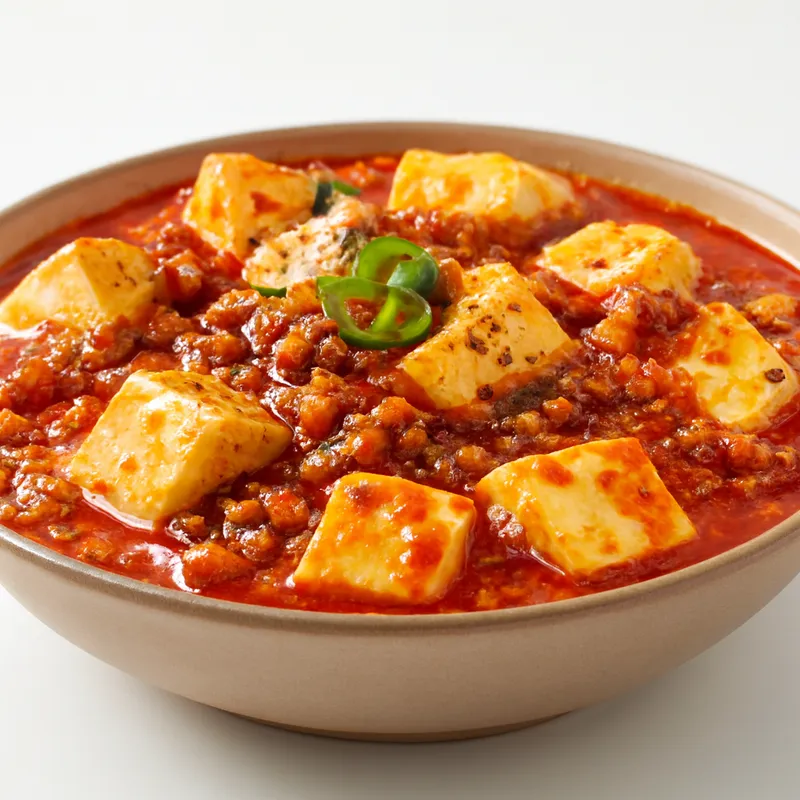
Classic ratio: 100 g cai you (rapeseed oil) + 25 g lard + 30 g dried chao tian jiao + 15 g pao jiao (Sichuan peppercorn — red for top-note, green for floral) + douban jiang 50 g + ginger/garlic/scallion. Bloom peppercorns at 130-140°C for 30 sec (too hot turns them bitter; too cool fails to release sanshool). For hot pot base: simmer 4-6 hours to extract. Failure mode: substituting black peppercorn — no sanshool, no numbness.
Background
The mala sensation first sparked in the bustling streets of Sichuan during the late Qing Dynasty. As street vendors experimented with bold flavors to entice weary laborers, they discovered the invigorating combination of Sichuan peppercorns and chilies, creating a culinary jolt that awakened the senses. The humid climate and the need for preservation made chilies an essential part of the diet, naturally leading to the creation of mala.
From Sichuan, mala spread across China, with each region adapting it to their local tastes. In Chongqing, it evolved into the fierce heat of hotpot; in Hunan, it intertwined with the region's love for pickled flavors. Yet, the original Sichuan mala remains distinct with its precise balance of numbing and spicy, a sensation that is both addictive and unforgettable.
How It Works
A dual-receptor sensory architecture: hydroxy-alpha-sanshool from Sichuan peppercorn (花椒) triggers RA1 mechanoreceptors at ~50 Hz oscillation — perceived as numb tingle (麻) — while capsaicin from dried chilies activates TRPV1 thermoreceptors (perceived as heat, 辣). The two run on independent neural pathways, so they layer rather than mask; the chili's burn paradoxically reads sharper because sanshool partially numbs pain-modulation feedback.




Through Time
Sichuan peppercorn appears in *Shi Jing* (詩經, 11th-7th c. BCE) as ritual aromatic; the mala compound profile crystallized in late Qing (1880s) Chongqing dockyard hotpot among Yangtze boatmen using offal scraps. Chen Mapo's 1862 Mapo Doufu (Chengdu) and Lai Tangyuan's 1894 shop fixed the urban-restaurant template. Modern canonization: Yu Bo's Yu's Family Kitchen (2000) and Sichuan Higher Institute of Cuisine textbooks.
Related cooking knowledge
Tadka and mala share the bloom-aromatics-in-fat principle, but tadka uses mustard/cumin/curry leaf rather than peppercorn-chili. Karahi delivers similar heat-fat-aromatic intensity in a different aromatic register. Hong Shao runs parallel in Chinese cuisine but uses caramelized soy as the anchor, not the numb-spicy axis.


