
The signature cold dish of Sichuan's guaiwei ("strange-flavor") profile: poached chicken, cooled and torn into pieces, dressed in a sesame-paste sauce that carries salty, sweet, numbing, spicy, sour, savory and nutty-fragrant all at once, balanced so no single taste wins.
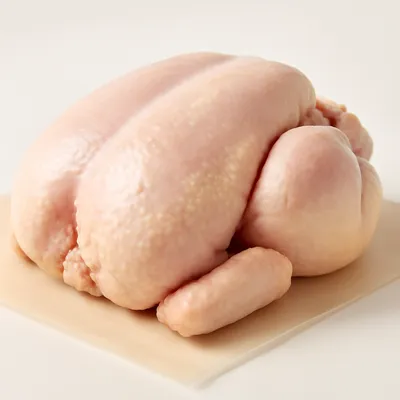
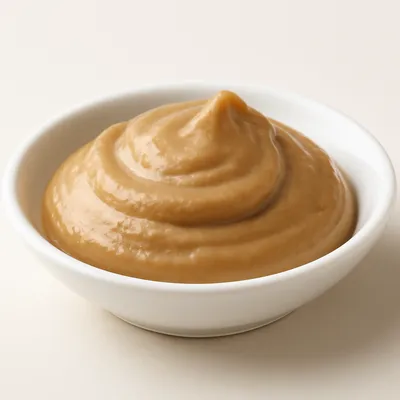



The dish's exact origin is unknown — no founding date, cook or birthplace survives in the record. What is documented is the flavor it carries: guaiwei ("strange flavor") is one of the classic compound flavor types codified in the Sichuan culinary canon of roughly two dozen such profiles, and it is the one type widely described as unique to Sichuan, found in no other regional cuisine. Its name comes not from any oddity but from abundance — so many tastes arrive together that none can be named, a "hundred flavors mingling." The chicken version is its best-known carrier, alongside guaiwei rabbit, fish, peanuts, walnuts and broad beans.
The chicken is served cold, the flesh firm and springy rather than soft, the skin set to a faint gel. Then the sauce arrives all at once: the salty-savory base and the nutty body of sesame paste land first, sweet and sour brighten behind them, the chili heat blooms, and the Sichuan-pepper numbing comes up last and lingers, tingling on the lips. The point is that no flavor wins — the palate keeps reaching for a name it cannot settle on, which is exactly the "strange" of strange-flavor.
Two things make the dish: a gentle poach and a balanced sauce. The chicken is started in cold water with ginger, scallion and wine, the scum skimmed, then held at a bare simmer — never a hard boil — and finished off-heat under the lid. A rolling boil over-contracts the muscle proteins and squeezes out moisture, leaving the meat dry and stringy; a quiet simmer plus carry-over steeping sets the proteins gently, so the flesh stays juicy and intact. Cooling firms it further as the skin collagen gels, and a cold surface lets the rich sauce cling rather than run. The sauce itself is the balancing act: the stiff sesame paste must be loosened with sesame oil first, then thinned with the liquid seasonings a little at a time, or it seizes into clumps; once smooth it suspends the chili oil into a single pourable dressing that delivers every taste together. The flavors are tuned to hold each other in check — sugar rounds the edge of the chili and salt, vinegar lifts the heavy sesame fat, salt deepens the savory, and the pepper's numbing softens the burn — so all seven read at once without any one dominating.
Variations
The same guaiwei sauce dresses far more than chicken: strange-flavor rabbit, crisp fish, peanuts, walnuts and fried broad beans are all standard. The chicken itself comes two ways — chopped into chunks on the bone, or hand-shredded boneless. Sauces split into two camps: the textbook version centers sesame paste for body and the nutty fragrance, while a lighter style leans on red oil and garlic and leaves the sesame paste out — it is the sesame paste, above all, that sets true guaiwei apart from its red-oil cousins.
On the Palate
Where Strange-Flavor Chicken sits in the Chinese flavor cloud
Ingredients
Serves 4



How it's made
7 steps · 30 min active + 40 min waiting
- 18 min
Start a whole chicken or two large legs in a pot of cold water with ginger slices, scallion and a splash of cooking wine. Bring up slowly and skim off all the grey scum as it rises.
Watch outStart the chicken in cold water and skim every bit of grey scum as it rises — skip this and the broth and skin turn muddy.
- 235 min
Add a small handful of Sichuan peppercorns, drop the heat to a bare simmer, and cook gently for about 15 minutes. Turn off the heat and leave the chicken to steep under the lid for 20 minutes, until a chopstick pierces the thigh with no pink juice.
Watch outHold it at a bare simmer, never a hard boil, then steep off the heat under the lid — a rolling boil squeezes the meat dry and stringy.
- 38 min
Lift the chicken out and cool it quickly in cold water, then drain. Chop into bite-size chunks on the bone, or pull the meat off and tear it into thick shreds.
- 43 min
Make the sauce: spoon sesame paste into a bowl and loosen it with sesame oil, stirring until smooth and pourable.
- 54 min
Stir in soy sauce, sugar, black vinegar and a little salt one at a time, smoothing the paste after each addition, then add minced garlic, ginger and scallion.
- 64 min
Finish the sauce with red chili oil and ground Sichuan pepper, and taste: nudge sugar, vinegar, salt and pepper until salty, sweet, sour, numbing and spicy all read but none dominates.
Watch outTaste and balance until salty, sweet, sour, numbing and hot all read but none dominates — that even chord is the 'strange flavor.'
- 73 min
Arrange the cold chicken on a plate, pour the sauce evenly over the top, and scatter with toasted sesame seeds. Serve cold.
Archive tool suggestions — not reviewed
These legacy suggestions have not been evidence-reviewed and are not presented as required tools.


