
Glutinous-rice chili paste is a Guizhou chili base made by pounding soaked, softened dried chilies together with a little cooked glutinous rice until the two mash into a sticky red paste — the rice is what gives it the name (糍粑 ciba, the pounded sticky-rice cake) and what binds the chili so it fries up thick and clinging. It is the defining base of Guizhou-style laziji (chili chicken) and a workhorse in the province's red braises and stir-fries. Fried gently in oil, it loosens into a deep-red, glossy chili paste, rich and fragrant rather than fiercely hot, that coats meat and carries other seasonings.




Glutinous-rice chili paste is a Guizhou folk preparation, born of the same chili-loving, fresh-chili-preserving culture that gives the province its zao chili and its array of dried-chili pastes; its exact origin is not recorded. Where zao chili keeps fresh chili by fermentation, this one works with sun-dried chili, and the trick of pounding in a little glutinous rice is a practical one — it lets the dry chili pound down into a cohesive, spreadable paste and gives body to the fried chili oil. The technique is closely tied to Guizhou laziji, the local chili chicken in which the chicken is fried with this pounded paste rather than the whole dried chilies of the Sichuan version, so the heat is rounder and the sauce clings. It is made and kept fresh in small batches rather than aged.
Raw, it is a coarse, sticky crimson mash, the chili flesh broken down and bound by the rice into something you can spread; you can still see chili skin and the odd fleck of garlic. Cooked, it turns deep glossy red and smells toasty and fragrant, the chili's heat softened by the long pounding and the gentle fry into a warm, rounded burn rather than a sharp one. On the tongue it is thick and clinging, savory and a little sweet from the rice, the heat sitting low and broad. It is the kind of chili base whose appeal is fragrance and color as much as fire.
Two simple steps do the work. The dried chilies are first softened — soaked in warm water (sometimes briefly simmered) until pliable — so they will mash instead of shatter; pounding them in a stone mortar tears the cell walls and frees the chili's flavor and color while keeping a coarse, juicy texture no blender quite matches. The small amount of cooked glutinous rice, almost pure sticky amylopectin starch, acts as a binder: pounded in, it glues the chili pieces into a cohesive paste and, when fried, thickens the chili oil so it coats and clings rather than splitting away. Frying the paste slowly in oil over low heat blooms the fat-soluble chili pigments and aromas into the oil — gently, so the chili colors and perfumes without scorching bitter — which is why the finished base is so red and fragrant. Because it is not salted or fermented for keeping, it is best used fresh.
Variations
The constant is dried chili pounded to a sticky paste with a little glutinous rice; the variables are the chili and what else goes in the mortar. Fragrant, mild erjingtiao or local 'two-vitex' chilies give color and aroma, with a few hotter chilies added for heat to taste; many cooks pound in garlic and ginger, some none. The rice is usually steamed glutinous rice mashed in while warm, though a little cooked glutinous-rice flour does the same job. For Guizhou laziji the paste is fried in plenty of oil with extra garlic and ginger; for braises it is fried as a base before the meat and liquid go in. It is distinct from Sichuan ciba chili, which is used similarly but tends toward the numbing-hot mala profile, where Guizhou's leans fragrant and sour-edged when paired with its other chili pickles.
On the Palate
Where Glutinous-Rice Chili Paste sits in the Chinese flavor cloud
Ingredients
Serves 12How it's made
6 steps · 40 min
- 15 min
Wipe the dried chilies clean, snip off the stalks, and shake out most of the seeds if you want it milder.
- 220 min
Soak the chilies in warm water (or simmer briefly) until soft and pliable, then drain well.
Watch outSoak the dried chilies until soft and pliable — bone-dry they shatter under the pestle instead of mashing to a coarse, juicy paste.
- 315 min
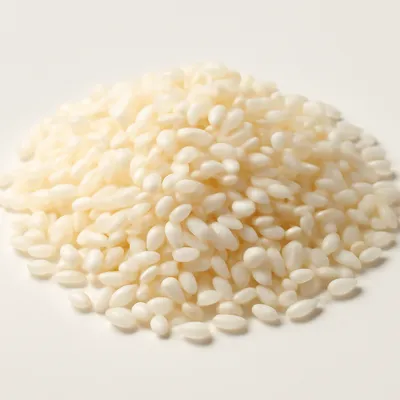
Steam a small amount of glutinous rice until cooked and sticky, or have cooked glutinous rice ready.
- 43 min
Put the softened chilies, the warm glutinous rice, and peeled garlic and ginger into a stone mortar.
- 510 min
Pound steadily until everything breaks down into a coarse, sticky red paste that holds together.
- 68 min
Use straight away, or fry the paste gently in oil over low heat until deep red and fragrant for cooking; keep refrigerated and use fresh.
Watch outIf frying, keep the heat low and go until deep red and fragrant — too hot and the paste scorches bitter before it blooms.


