Shanxi's quintessential one-pot feast: pork belly slices, fried tofu, potato chunks, fried meatballs, kelp strips, and glass noodles simmered together in rich pork broth, sharpened at the end with aged Shanxi vinegar. Served at weddings, harvests, and ordinary weeknight dinners alike — officially recognized as one of Shanxi's Ten Great Dishes.





A popular folk legend traces 大烩菜 to the Southern Song Dynasty: citizens angry at the traitor Qin Hui would fry vegetables and meat together in a single pot, calling the result 炸桧菜 (fried Qin Hui) as symbolic retribution. This story is widely repeated across northern China but lacks documentary support in Song historical sources and should be understood as a folk morality tale attached to a much older culinary practice. The dish's practical logic — combining whatever ingredients are on hand in one pot, using a small quantity of meat to flavor a large volume of vegetables — reflects the realities of Shanxi highland agriculture across many centuries. It was selected as one of Shanxi's Ten Great Dishes (十大晋菜) in a 2022 official evaluation by the Shanxi Provincial Commerce Department, and Linxian County documents it as a traditional communal dish for festivals and shared community meals.
The amber broth carries a whisper of aged vinegar that cuts the richness without drawing attention to itself. The fried tofu cubes have absorbed meat juices and burst quietly on the tongue; the glass noodles slip through in long sauce-soaked strands; potato chunks yield with gentle pressure; fried meatballs offer the only real resistance — a crisp exterior that gives way to moist, well-seasoned pork. Everything converges in a broth that is simultaneously simple and deeply satisfying.
The key technique is timed, layered additions: dense, slow-cooking ingredients (kelp, potatoes) go in with the broth first; fried tofu and meatballs are added midway; delicate vermicelli and leafy cabbage go in last. This ensures all components reach ideal doneness simultaneously rather than some being overcooked. Aged Shanxi vinegar (老陈醋), added near the end rather than at the start, retains its bright organic acids — stirring in at high heat would volatilize them. The acids also slightly lower the broth's pH, inhibiting excessive browning and keeping the liquid clear. Pork belly fat gradually emulsifies into the broth over the long simmer, building a rounded, full-bodied texture without cream or thickener.
Variations
Linxian (临县) style traditionally uses mutton in place of pork, reflecting local pastoral economy. The 晋南 (south Shanxi) version adds 酥肉 — strips of pork coated in starch batter and deep-fried until crispy — as a secondary protein layer. Related northern dishes include Northeast China's 乱炖 and Hebei's 熬菜. Datong-style versions sometimes incorporate 莜面栲栳栳 (oat-flour pasta cups). Modern restaurants often serve the stew in a clay pot (砂锅) to keep it bubbling at the table.
On the Palate
Where Shanxi Mixed Stew sits in the Chinese flavor cloud
Ingredients
Serves 6

How it's made
7 steps · 30 min
- 115 min
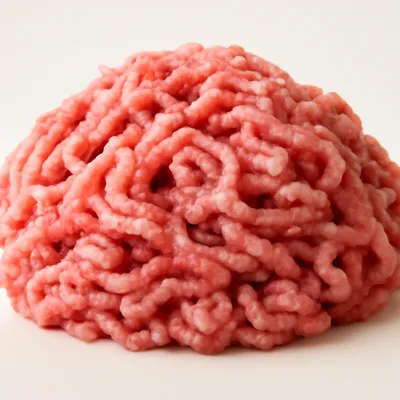
Make the meatballs: combine minced pork with minced ginger, scallion, soy sauce, salt, and starch; mix until sticky; roll into walnut-sized balls; deep-fry at 170°C until golden and cooked through, about 4 minutes. Set aside.
Watch outFry the meatballs at a steady oil temperature until golden and cooked through — too cool and they soak up grease and fall apart, too hot and the outside burns before the centre sets.
- 28 min
Slice pork belly thin; stir-fry in a lightly oiled wok with ginger until the edges just brown; deglaze with Shaoxing wine. Set aside.
- 310 min
Prepare remaining ingredients: cut fried tofu into rectangles; cut hydrated kelp into strips; peel and cube potatoes; trim green beans into 5cm lengths; soak dried vermicelli in warm water until pliable.
- 45 min
Bring 1.5 liters of pork or chicken stock to a rolling boil in a large pot; add pork belly slices, kelp strips, and potato cubes; season with soy sauce, salt, and five-spice powder.
- 520 min
Reduce to a moderate simmer; cook 20 minutes until potatoes are just beginning to soften; add fried tofu pieces, meatballs, and green beans.
- 620 min
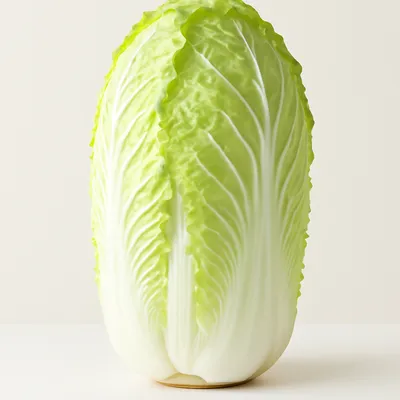
Continue simmering 15 minutes; add drained vermicelli and shredded napa cabbage; cook a further 5 minutes until noodles are translucent and cabbage is wilted.
Watch outDrop the vermicelli and cabbage in only for the last few minutes — pull them the moment the noodles go translucent and the cabbage wilts, or they overcook to slush while everything else waits.
- 75 min
Stir in aged Shanxi vinegar and white pepper; taste and adjust salt; ladle into a deep bowl or serve directly in a clay pot, garnished with fresh coriander.
Watch outStir the aged vinegar in right at the end off the fiercest heat — add it early and the bright sour aroma boils away, and you lose the clean edge that defines the stew.
