The ceremonial banquet of Tianshui, Gansu: eight steamed bowls in a strict four-meat, four-vegetable formation, served at weddings, funerals and New Year feasts. The four meat bowls — triple-fried pork tenderloin, braised pork belly, steamed ribs and yellow-braised chicken — are individually prepared and served alongside tofu, glass noodles, mixed stew and eight-treasure sweet rice.





Tianshui's eight-bowl tradition is most commonly traced to the Yongle reign of the Ming dynasty (1402–1424 CE), when large-scale migration into the Tianshui basin brought together cooks from Shanxi, Shaanxi and the Central Plains whose braising and steaming techniques merged with local practice; this dating is attributed to the local gazetteer Tianshui Fuzhi. By folk account, during the Qianlong reign of the Qing dynasty (1735–1796) the format came to be grouped among the 'lower eight delicacies' (xia ba zhen) of the Manchu-Han banquet hierarchy — a popular tradition rather than a documented record. The eight-bowl format survived the twentieth century intact in rural Tianshui townships as the standard wedding and ceremony banquet. In 2023, the Tianshui Eight-Bowl cooking technique was recognised as a municipal-level intangible cultural heritage. Because the 'Ming origin' rests on later gazetteer citation, precise dating within that reign should be treated as approximate — roughly six centuries of history.
Each bowl offers a distinct texture within the same warm savory register. The triple-fried pork tenderloin shatters then yields with a vinegary tingle. The braised pork belly melts without grease. The eight-treasure sweet rice closes the table with fragrant sticky warmth. The sequence of service is as deliberate as any formal tasting menu.
The triple-fry, triple-rest method for the pork tenderloin progressively expels water from the meat's surface with each pass while allowing the interior temperature to rise gradually without over-denaturing the proteins — each rest allows the outer crust to briefly reabsorb a fraction of moisture before the next fry drives it off again, creating a shattering exterior with a juicy interior. The braised pork belly cooked low-and-slow above 70°C allows collagen in the connective tissue to hydrolyze into gelatin; when cooled in a pressed mold, this gelatin sets into the characteristic silky non-greasy mouthfeel. Steaming the assembled bowls avoids the moisture loss inherent in roasting: saturated steam maintains a humid surface around each piece, slowing the drying gradient and preserving tenderness throughout.
Variations
The precise eight dishes vary by family and district: Qin'an county expands the format to a ten-bowl feast for particularly significant occasions. Hui Muslim households substitute beef and lamb for the pork courses while retaining the eight-bowl format and ceremonial sequence. In contemporary urban weddings the glass-noodle and tofu bowls are sometimes replaced with more elaborate vegetable preparations, though the total of eight bowls is always preserved.
On the Palate
Where Tianshui Eight-Bowl Banquet sits in the Chinese flavor cloud
Ingredients
Serves 10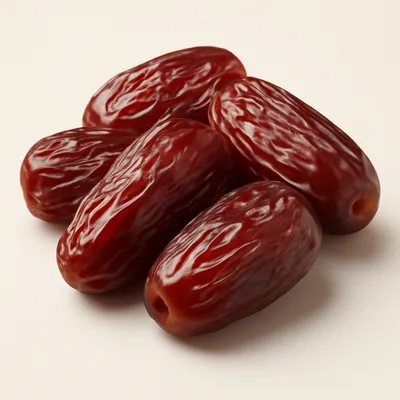
How it's made
8 steps · 1 hour
- 190 min
Braise the pork belly the day before: coat skin with soy sauce and honey; deep-fry briefly until the skin blisters; transfer to a pot with Shaoxing wine, soy sauce, rock sugar and whole spices; simmer 90 minutes; press into a bowl mold and refrigerate overnight.
Watch outAfter frying and braising, press the belly into the mold and chill overnight — the melted collagen must set into that silky sliceable block before you steam it.
- 220 min
For the triple-fried pork tenderloin: cut into bite-sized pieces, marinate in soy sauce, ginger and salt, then coat in egg white, flour and starch; fry at 160°C for 2 minutes, rest 5 minutes; fry at 175°C for 1 minute, rest 5 minutes; fry at 185°C for 30 seconds. Toss immediately with vinegar, dried chili and Sichuan peppercorn.
Watch outWatch the three fry temperatures climb — 160, 175, 185 — resting between each; the rising heat and rests build a shell that shatters over a juicy center.
- 325 min
For the steamed pork ribs: coat rib pieces in a seasoned starch-and-egg batter; fry at 170°C until golden; arrange in a steamer bowl; add seasoned broth; steam for 20 minutes until tender.
- 435 min
For the yellow-braised chicken: marinate chicken legs in soy sauce, ginger and Shaoxing wine; brown in a clay pot; add water and braise covered for 30 minutes; uncover and reduce the sauce until the chicken is lacquered and glossy.
- 520 min
Make the mixed medley: whisk eggs into thin crepes, fill each with a pork-and-tofu paste, roll and slice into pieces; simmer with meatballs, glass noodles and leafy greens in clear pork broth for 15 minutes.
- 615 min
Steam the tofu bowl with a light soy-sesame dressing; cook the glass noodles in seasoned pork broth until soft; place each into its designated serving bowl.
- 740 min
Assemble the eight-treasure sweet rice: line a bowl with red dates, lotus seeds, wolfberries and dried longan; pack in sweetened glutinous rice; steam for 40 minutes; invert onto a serving plate.
- 85 min
Arrange all eight bowls in the traditional sequence — four meat bowls facing the honored guests, four vegetable bowls completing the table — and present simultaneously as a single service.
Archive tool suggestions — not reviewed
These legacy suggestions have not been evidence-reviewed and are not presented as required tools.


