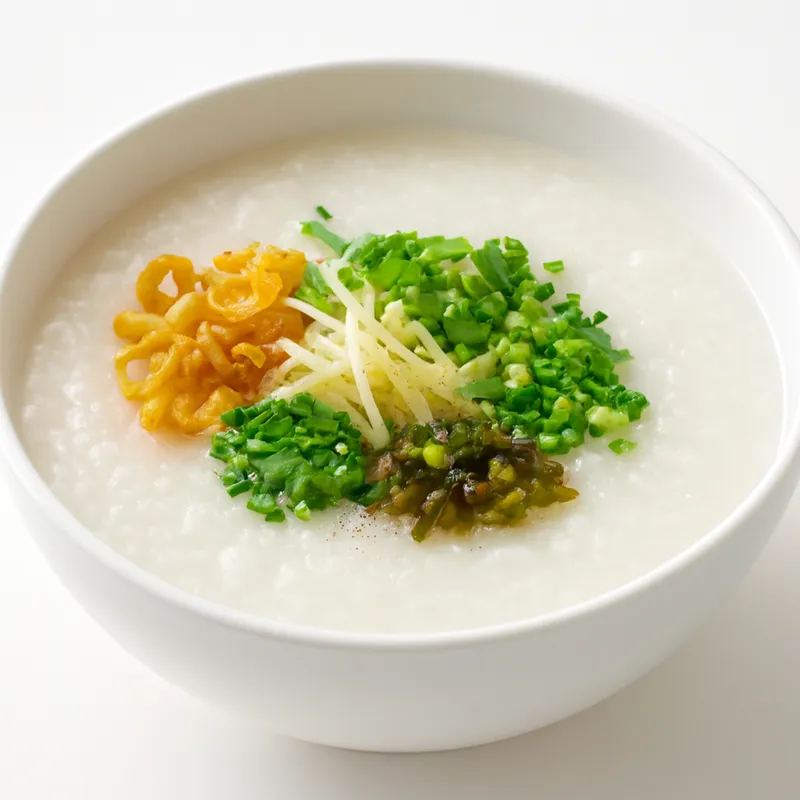
Tongchuan Yaozhou's pre-dawn specialty: thick flat wheat noodles boiled the night before, oiled and chilled, then reheated at dawn in a complex broth simmered from over a dozen whole spices including cloves, star anise, fennel, cinnamon, and longan; served with tofu, chili oil, and chives. The writer Lao She praised it as rivaling the finest Beijing restaurant.




Yaozhou salt broth noodles are native to Yaoxian (now Yaozhou District, Tongchuan, Shaanxi). The earliest documented reference traces to the Qing Daoguang period (early 19th century), when a vendor named Zheng Yucheng on East Street gained wide fame for his bowl described as 'rich-flavored, resilient, and pungently spiced.' The dish was designated a Shaanxi provincial intangible cultural heritage item in 2015 (fifth provincial batch). A separate folk legend connects the spiced broth to Sun Simiao, the celebrated Tang dynasty physician from Yaozhou, who is said to have developed medicinal formulas that later informed the dish's spice blend—though this attribution is legendary rather than documented. The writer Lao She, who described eating the noodles during his wartime travels through northwest China in his poetry collection Jianbei Pian, is widely quoted as having exclaimed 'such a small county, and yet it rivals the Beijing Hotel!'—though the exact phrasing is likely a folk condensation of his original longer account rather than a verbatim quote.
The broth is deeply aromatic—cloves upfront, then fennel and cinnamon on the back palate—coating each flat noodle in a dark, oily film. The noodles are resilient but not tough; tofu cubes absorb the broth and soften; chili oil heat lingers long after the bowl is finished.
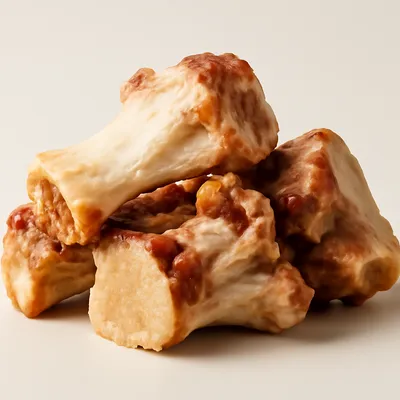
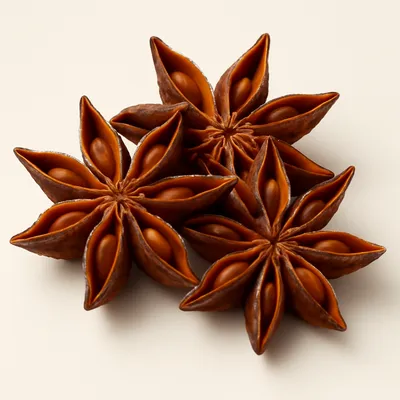
The broth is built by simmering over a dozen whole spices in pork-bone stock; key aromatics include eugenol (from cloves), anethole (star anise and fennel), and cinnamaldehyde (cinnamon)—all fat-soluble compounds that concentrate in the surface oil layer. The chili oil drizzled at serving therefore acts as both a heat source and an aromatic carrier, lifting these volatile compounds directly to the palate. Oiling the pre-cooked noodles overnight forms a thin lipid coating that slows water absorption during re-heating, preserving their chewy texture through the morning service.
Variations
Yaozhou cooks two distinct versions: 'oil noodles' (油面—cold noodles briefly dipped in hot broth and quickly lifted out, served drier) and 'alkali noodles' (碱面—alkaline-water dough, fully submerged in broth). Upgraded bowls add a slice of braised pork elbow or a soft-boiled soy egg.
On the Palate
Where Yaozhou Salt Broth Noodles sits in the Chinese flavor cloud
Ingredients
Serves 4


How it's made
7 steps · 30 min
- 145 min
Mix flour with water and a pinch of salt; knead 15 minutes into smooth elastic dough; rest 30 minutes covered.
- 215 min
Roll dough thin and cut into flat strips about 2 cm wide; boil in plenty of unsalted water until cooked through; drain immediately.
- 3480 min
Toss hot noodles with rapeseed oil to coat evenly; spread on a tray to cool completely; refrigerate overnight.
Watch outToss the noodles with oil while they're still steaming-hot so every strand gets a slick coat — that film is what keeps them chewy overnight.
- 435 min
Next morning, combine pork-bone stock or water with cloves, star anise, fennel seeds, cinnamon, dried longan, ginger slices, bay leaves, and Angelica root; simmer 30 minutes, then strain and season with salt.
Watch outKeep the spice pot at a bare simmer, not a hard boil — a rolling boil turns the broth cloudy and drags out bitterness from the bark and cloves.
- 55 min
Bring the spice broth to a rolling boil; add sliced firm tofu and crumbled soft tofu pieces; cook 3 minutes.
- 65 min
Submerge a portion of pre-cooked noodles in the hot broth for 1–2 minutes; lift into a serving bowl and ladle broth and tofu on top.
Watch outDunk the cold noodles just 1–2 minutes to heat through — any longer and they drink up broth and go soft.
- 72 min
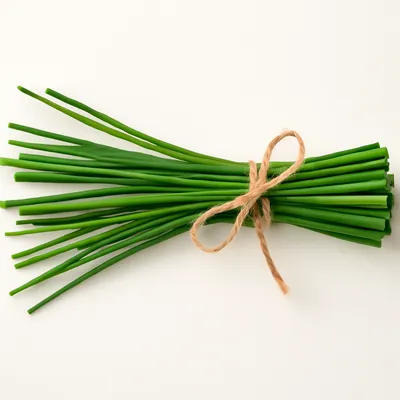
Finish with oil-splashed chili, chopped chives, and a drizzle of extra chili oil; serve immediately.
Archive tool suggestions — not reviewed
These legacy suggestions have not been evidence-reviewed and are not presented as required tools.