Hand-made noodles from Zhongning County incorporating ground sand sagebrush seeds for their natural binding power, pulled thin and served in lamb broth with local goji berries — a 360-year-old folk tradition with five ceremonial names.

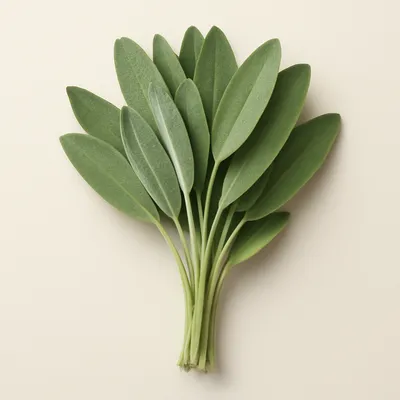



Zhongning County sits where the Yellow River first enters Ningxia, a strip of irrigated land bordered by the Tengger Desert. The Ningxia government's official heritage database documents the sagebrush noodle tradition as spanning over 360 years, placing its continuous folk practice no later than the early Qing dynasty. Wild sand sagebrush grows across the surrounding dunes; locals discovered that its seeds contain a natural mucilage that acts as a binding agent, allowing noodle dough to be rolled to near-translucent thinness without cracking. The dish absorbed two other local treasures — Yellow River wheat and Zhongning goji berries (枸杞, China's most celebrated variety, cultivated here since the Tang dynasty) — becoming the county's defining food.
The noodles carry a faint, clean bitterness from the sagebrush — just enough to register, gone by the second slurp — then yield to a deeply warming lamb broth with the gentle sweetness of goji berries. The texture is springy and chewy in a way that plain wheat noodles rarely achieve.
Sand sagebrush seeds contain galactomannan — a soluble polysaccharide hydrocolloid that, when ground and mixed into flour, intercalates between gluten protein chains and significantly increases network cohesion. This allows the dough to be rolled below 1mm without cracking. Alkaline water simultaneously raises the dough pH, strengthening electrostatic bonds in the gluten network and imparting a characteristic golden tinge to the finished noodle. Traditional makers describe eighteen distinct handling steps — a count that reflects how this unusually elastic dough tolerates repeated stretching and folding that plain wheat dough would not survive.
Variations
Each ceremonial occasion has its own name and symbolic meaning: longevity noodles (长寿面) for elders, served extra long and uncut; joy noodles (喜面) for a newlywed couple's second morning; auspicious noodles (吉祥面) for a baby's one-month celebration; soul-pulling noodles (拉魂面) eaten on the seventh day of Lunar New Year; and guest noodles (客人面) when welcoming visitors.
On the Palate
Where Sagebrush Noodles sits in the Chinese flavor cloud
Ingredients
Serves 4
How it's made
7 steps · 1 hour
- 110 min
Grind dried sand sagebrush seeds in a dry blender to a fine powder; sift, keeping only the light, smooth seed meal
- 215 min
Combine sagebrush powder and high-gluten flour in a 1:10 ratio; add alkaline water gradually and knead until smooth and very firm, about 15 minutes
Watch outKnead a good fifteen minutes to a very firm, smooth dough — the stiffer you build it, the thinner you can later roll it without cracking.
- 330 min
Cover dough with a damp cloth; rest 30 minutes to allow the sagebrush galactomannan to fully hydrate and gluten to relax
- 415 min
Dust the board with dry flour; roll dough to about 1mm thickness; fold into layers and cut into 2mm-wide noodles; shake apart and dust to prevent sticking
- 540 min
Prepare broth: simmer lamb pieces with goji berries, scallion, and ginger in water over low heat 40 minutes; season and strain; keep hot
- 63 min
Cook noodles in vigorously boiling water 2-3 minutes until just cooked through but still springy
Watch outPull the noodles at two to three minutes, still springy — they keep softening in the hot broth, so a touch underdone is right.
- 72 min
Drain and portion into bowls; ladle hot lamb-goji broth generously over the noodles; garnish with coriander and a drizzle of chili oil
Archive tool suggestions — not reviewed
These legacy suggestions have not been evidence-reviewed and are not presented as required tools.


