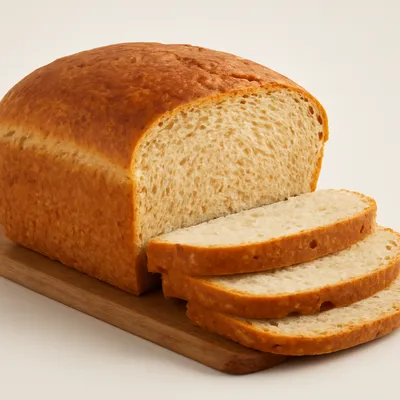
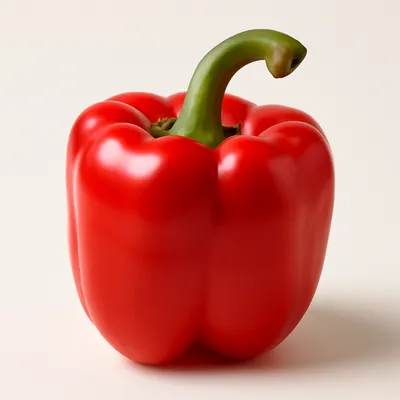
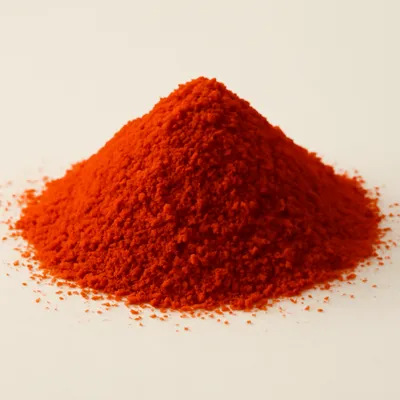
Lamb liver, lung, heart, and tripe stir-fried hard on a searing cast-iron griddle with onion, green pepper, and chili powder, then finished with torn steamed bread that soaks up the rendered fat. The flames leap, aromas flood the street—炒拨拉 is as theatrical as it is satisfying.



Shandan County in Zhangye has herded sheep in the Hexi Corridor for centuries. Local legend traces 炒拨拉 to the Western Han, when General Huo Qubing's army, after defeating the Xiongnu near Yanzhi Mountain in 121 BC, is said to have improvised by inverting bronze shields over campfires to stir-fry freshly slaughtered lamb offal—a folk telling, as no text documents the technique's military origin. Herders refined it over generations into the cast-iron griddle method used today. The dish was inscribed in 2015 as a Zhangye municipal-level intangible cultural heritage.
Crispy-edged and juicy within, the offal carries a bold pepper-chili heat with no trace of gaminess; the steamed bread soaks up rendered lamb fat and becomes the most irresistible mouthful on the plate.
A cast-iron griddle retains heat far more effectively than a steel wok, sustaining surface temperatures of 250–300°C that drive vigorous Maillard reactions on the exterior of offal pieces—producing pyrazine and furan aroma compounds—while the interior temperature stays at 70–75°C, preserving tenderness. Volatile gamey aldehydes in lamb offal dissipate rapidly at sustained high heat. Allyl sulfide compounds released from onion at high temperatures break down into diallyl disulfide and related species, which actively scavenge the remaining off-notes. Bread cubes added at the finish concentrate the rendered lamb fat and its fat-soluble aromatic molecules.
Variations
Some versions add cumin and dried chili for a northwest barbecue flavor. Hui Muslim restaurants substitute beef offal (牛杂) while keeping the cast-iron technique identical. White steamed bread is sometimes replaced with oil-fried flatbread (油饼) for additional richness.
On the Palate
Where Shandan Stir-Fried Lamb Offal sits in the Chinese flavor cloud
Ingredients
Serves 3
How it's made
7 steps · 30 min
- 110 min
Rinse lamb offal thoroughly under cold running water; blanch in boiling water with ginger slices and Sichuan peppercorns for 5 minutes to remove impurities. Drain, rinse, and slice each piece into bite-sized chunks.
- 23 min
Cut steamed white bread into 2 cm cubes; set aside on a plate.
- 35 min
Halve onion and cut into thick petals; seed green peppers and cut into strips; mince garlic.
- 43 min
Heat a cast-iron griddle or heavy flat-bottomed skillet over the highest flame until smoking hot; add a spoonful of lard or lamb fat and swirl to coat.
Watch outGet the cast iron smoking-hot before the offal goes in — a cool surface stews the pieces grey instead of searing them crisp.
- 55 min
Add all offal pieces in a single layer; press down with a spatula and leave undisturbed for 60 seconds to sear. Then begin stir-frying hard, using a scraping, tossing, and pulling motion for 3–4 minutes until edges are crisped and well-browned.
Watch outPress the offal flat and leave it a full minute to sear before tossing — moving it too soon and it never crisps at the edges.
- 62 min
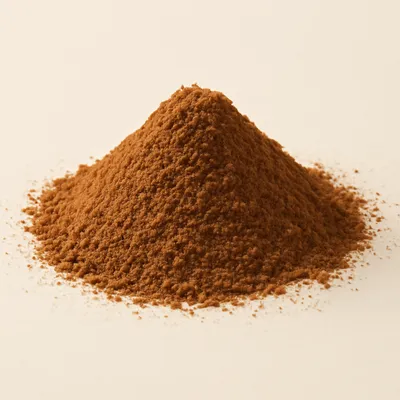
Push offal to one side; add onion, green pepper, garlic, salt, chili powder, and five-spice powder; stir-fry together for 2 minutes until onion is soft and fragrant.
- 72 min
Add bread cubes; fold and toss everything together for 1–2 minutes until the bread is coated in rendered fat and lightly browned; serve directly from the griddle.
Watch outFold the bread in just long enough to soak up the rendered fat and catch a little color — leave it too long and it goes dry and hard.


