
A defining Beijing home-style stir-fry of slivered pork loin cloaked in sweet flour-sauce. The pork is cut into fine slivers, velveted with egg white and starch, and slipped through warm oil so it stays tender, then folded into 甜面酱 (a fermented sweet flour-sauce) cooked down with a little sugar and Shaoxing wine until it turns glossy and clings. It is plated over or beside a heap of raw shredded scallion and eaten wrapped: a sheet of soft tofu skin (豆腐皮) or a thin pancake (薄饼) is laid out, a pinch of the sauced pork and scallion set inside, and rolled up by hand. The contrast of warm savory-sweet pork, sharp raw scallion, and the cool soft wrapper is the whole point of the dish.
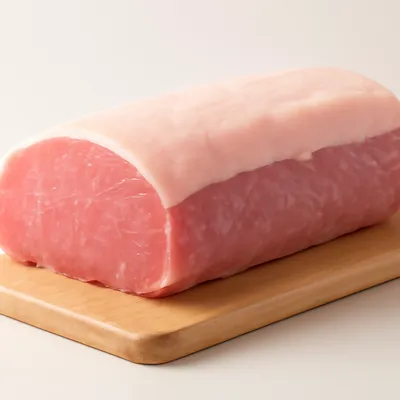



Jing Sauce Shredded Pork is a classic of Beijing home and restaurant cooking, named for the city (京 = the capital) and for its defining seasoning, 甜面酱 — the fermented wheat-flour sweet sauce that anchors Beijing's table and dresses Peking duck. The dish belongs to the北方 family of 酱爆 (sauce-exploded) stir-fries, in which a thick fermented sauce rather than a thin liquid carries the flavor; its exact inventor and date are unrecorded, and the popular tale of a city-outskirts grandfather improvising it as a cheap stand-in for roast duck is folk narrative rather than documented history. What is certain is that it is built on two ordinary Beijing staples — pork loin and sweet flour-sauce — and on the local habit of wrapping savory fillings in tofu skin or a thin pancake, the same eat-by-rolling gesture used for Peking duck.
A good plate reads in three layers. The pork slivers are smooth and slippery, just firm, never dry or stringy, each one coated in a thin red-brown lacquer of sauce that tastes deeply savory-sweet with the toasty fermented note of the flour-sauce behind it. Against that comes the raw scallion: a clean, sharp, almost watery bite that cuts the richness. The tofu-skin wrapper is soft and cool and faintly beany, holding it all together in one mouthful. Done badly, the pork is overcooked and chewy because the velveting was skipped or the oil too hot, or the sauce is left raw and harshly salty and pasty because it was not cooked down and sweetened, sitting on the tongue like uncooked bean paste.
Two techniques carry the dish. The first is velveting (上浆 / 划油): coating the lean loin slivers in egg white and starch builds a thin protein-starch film, and slipping them through oil at only about 四成热 (low, barely shimmering) sets that film fast so the meat's own moisture is sealed in — the slivers cook through without the surface tightening and squeezing water out, which is what makes lean pork go dry and stringy. The second is cooking the sauce. 甜面酱 is salty, raw-tasting, and pasty straight from the jar; fried briefly in oil with a little sugar and wine over moderate heat, its sugars and the sugar added begin to caramelize and undergo Maillard browning against the sauce's own proteins and amino acids, which deepens the color to a glossy red-brown and rounds the harsh salt into fragrance. A splash of water or stock keeps it from scorching and lets it reduce to a clinging glaze; the velveted pork goes in only at the end and is tossed just to coat, so it never toughens.
Variations
The wrapper is the main fork: most Beijing houses serve it with sheets of tofu skin (豆腐皮 / 千张), while others use thin wheat pancakes (薄饼 / 春饼) or even sliced steamed bread; cucumber matchsticks are a common third element inside the roll alongside the scallion. Some cooks blend a little 黄豆酱 (soybean paste) or hoisin into the 甜面酱 for a rounder, less sweet sauce, and balance the sweetness with extra sugar to taste. The same velvet-then-sauce method underlies sibling Beijing 酱爆 dishes such as 酱爆鸡丁 (sauce-exploded diced chicken) and 酱爆肉丁; chicken or beef slivers are sometimes substituted for the pork, the latter making it suitable for halal kitchens.
On the Palate
Where Jing Sauce Shredded Pork sits in the Chinese flavor cloud
Ingredients
Serves 3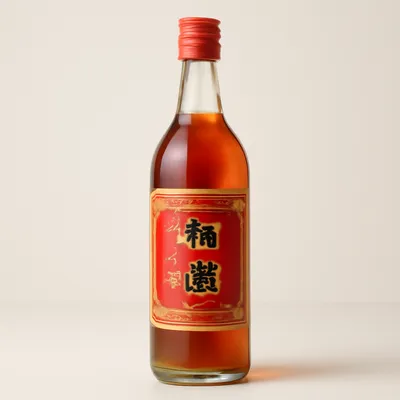


How it's made
6 steps · 20 min active + 10 min waiting
- 16 min
Cut pork loin against the grain into thin slices, then into fine even slivers about the thickness of a chopstick.
- 210 min
Season the slivers with a pinch of salt, a splash of Shaoxing wine, then egg white and dry starch; mix until each strand is coated and slightly tacky, and let stand 10 minutes to take up the slurry.
Watch outCoat the slivers in egg white and starch until each strand is slick and slightly tacky, then rest ten minutes — this film is what seals the moisture in so lean pork stays juicy.
- 33 min
Heat oil to only about 四成热 (low, barely shimmering); slide in the pork slivers, gently break them apart so they whiten and separate without browning, then lift out and drain.
Watch outSlip the pork through oil at only about forty percent heat, barely shimmering — hot oil tightens the surface and browns it, and the slivers go dry and stringy.
- 44 min
Pour off most of the oil; over moderate heat fry the sweet flour-sauce (甜面酱) with a little sugar and a splash of Shaoxing wine, stirring until it loosens, darkens, and smells fragrant; add a spoon of water if it threatens to scorch.
Watch outFry the sweet flour-sauce with a little sugar and wine until it loosens, darkens and smells fragrant — straight from the jar it's raw, salty and pasty.
- 52 min
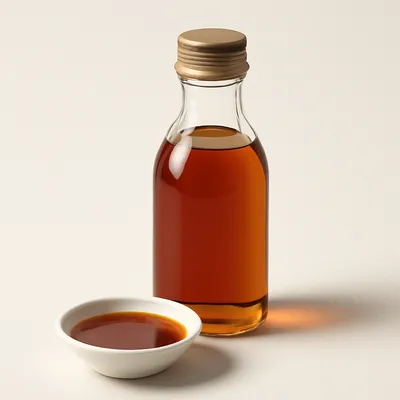
Return the velveted pork to the wok and toss quickly so every sliver is coated in the glossy sauce; finish with a few drops of sesame oil and turn out at once.
- 62 min
Pile a generous bed of raw shredded scallion (and cucumber matchsticks, if using) on the plate or alongside, and lay out sheets of tofu skin or thin pancakes for wrapping at the table.


