A crown jewel of Tianjin banquet cuisine, where oil-expanded fish maw—the dried and deep-fried swim bladder of large sea fish—is slowly white-braised in rich chicken stock until tremblingly silken, then finished with a ladleful of sautéed autumn crab roe. The ivory maw and orange roe create a dramatic color contrast; the maw itself yields at a chopstick's touch, its interior honeycomb of collagen having absorbed every nuance of the broth. Served at Tianjin's most formal wedding and longevity tables as the dish that declares a host's intent.


Fish maw has been prized in Chinese banquet cuisine for centuries—historical records, including the Ming-era materia medica Bencao Gangmu, document it as a tonic food reserved for court and high officials. Tianjin, sitting at the confluence of nine rivers with direct Bohai Sea access, accumulated exceptional stocks of both river hairy crab and sea fish maw; combining these two luxury products became a signature expression of the city's 'river-and-sea dual freshness' philosophy. The dish took shape during the late Qing flourishing of Tianjin's 'Eight Great Establishments' (八大成) restaurants, led by Juqingcheng—reportedly founded in 1662 to mark the Kangxi Emperor's enthronement—which specialized in high-grade seafood banquets drawing on court braising techniques. By the Republican era, historical records note Tianjin had 'roughly five hundred' restaurants; 蟹黄鱼肚 appeared alongside bird's nest and sea cucumber on the premium wedding and longevity menus of the era.
The maw arrives quivering in a glossy ivory sauce, the crab roe gleaming orange on top. A chopstick barely needs to press—the maw folds softly, its interior honeycomb yielding in warm, broth-soaked layers. Rich and clear at once, with no fishiness whatsoever. The roe bursts with a concentrated, briny sweetness that lifts the whole bowl by several registers.
Fish maw's transformation begins with oil-expanding (油发): submerging the dried swim bladder in 140°C oil causes trapped residual moisture to vaporize rapidly, forcing the collagen fiber network to balloon outward—volume increases seven to eightfold, creating an open honeycomb matrix of micro-pores. Subsequent alkaline washing (baking-soda solution) saponifies residual fish oils, restoring a clean white color. During the 白扒 white-braise, heat at around 85°C causes the collagen to hydrolyze progressively into gelatin, which blends with starch-thickened stock to form a clinging, luminous sauce that penetrates the honeycomb pores. Crab roe contributes carotenoids (astaxanthin precursors) for the orange hue and phosphatidylcholine (lecithin) for emulsification, smoothing the sauce texture while amplifying fat-soluble aroma compounds that amplify perceived savoriness.
Variations
Clear-steamed version: place blanched maw in chicken stock with crab roe cap and steam for 12 minutes—purer, more delicate finish. Crab roe with fish lips (蟹黄鱼唇): substitute rehydrated fish lips for fish maw; slightly chewier texture, equally prized on fine Tianjin banquet menus. Egg-white cloud version (芙蓉鱼肚): pour whisked egg white over the braised maw at the last moment, letting it set into a white cloud-like coating before serving.
On the Palate
Where Crab Roe Fish Maw sits in the Chinese flavor cloud
Ingredients
Serves 4



How it's made
7 steps · 4 hours
- 145 min
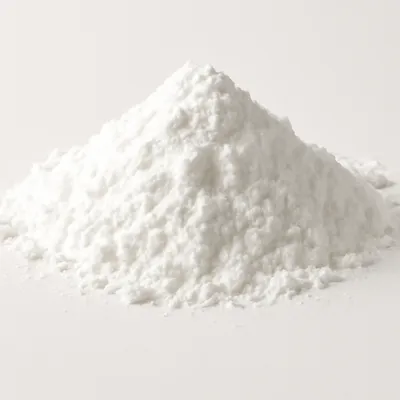
Oil-expand the fish maw: heat vegetable oil to 140°C in a wok. Submerge the dried fish maw and fry on low heat for 8–10 minutes, pressing down with a ladle, until it is fully puffed and spongy. Remove and immediately soak in hot water with 1 tsp baking soda for 30 minutes. Rinse under cold running water until the water runs clear and no oiliness remains. Cut into rectangular pieces about 5 × 3 cm.
Watch outHold the oil at 140°C and press the maw under a ladle — you want it to balloon sevenfold into an open sponge; too hot and it browns and stays dense instead of puffing.
- 210 min
Blanch the fish maw twice: bring a pot of unseasoned stock to a boil. Add the fish maw pieces, blanch for 2 minutes, then drain and gently squeeze out excess liquid. Return to fresh boiling stock and blanch once more. This two-stage blanching eliminates residual alkaline taste and oil.
Watch outBlanch twice in fresh stock and squeeze between — this is what strips the leftover alkaline bite and oil; skip it and the maw tastes soapy.
- 35 min
Prepare the crab roe: heat 1 tbsp lard in a small pan over medium-low heat. Add 3 slices ginger and sauté until fragrant, then add the crab roe (75 g) and stir gently for 1–2 minutes until the roe is heated through and lightly fragrant. Remove ginger and set the roe aside.
- 45 min
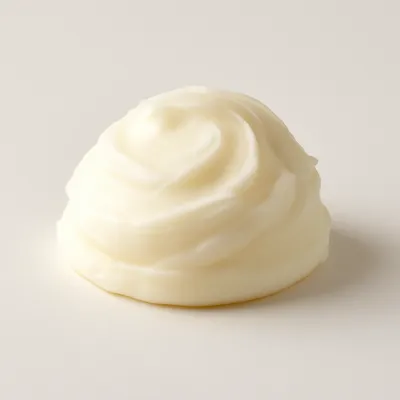
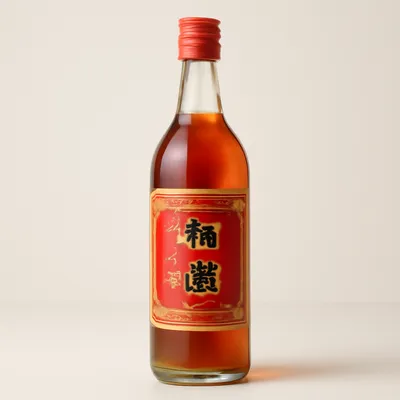
Build the white-braise base: in a wide wok, heat 2 tbsp lard over medium heat. Add 2 spring onion lengths and 3 ginger slices and fry until fragrant. Pour in 500 ml rich chicken stock, add 1 tsp Shaoxing wine, and season with salt and a pinch of white pepper.
- 515 min
Add the blanched fish maw pieces to the wok. Bring to a gentle simmer and cook for 10–12 minutes, turning once carefully halfway through, until the maw is fully saturated with broth and yields easily when pressed.
Watch outSimmer gently, never a hard boil — around 85°C melts the collagen into the sauce so the maw turns silky and drinks the broth; a rolling boil toughens it.
- 65 min
Thicken and finish: remove the spring onion and ginger. Mix 2 tbsp water starch (1:1 ratio) and drizzle into the simmering liquid while stirring gently until the sauce coats the back of a spoon. Drizzle 1 tsp lard around the edge of the wok for sheen.
Watch outAdd the water starch slowly while stirring until the sauce just coats the back of a spoon — a spoonful of lard round the edge at the end gives that luminous sheen.
- 73 min
Arrange fish maw pieces in a deep serving bowl. Spoon the prepared crab roe evenly over the top and pour the remaining sauce around the sides. Serve immediately while hot.


