A Qing-dynasty culinary sleight of hand from the Zhili Governor's table: egg yolk and white fish teased into loose, golden threads that mimic crab in color, texture, and perfume — sharpened with vinegar and ginger — all without a single claw in sight.





In 1868, the seventh year of the Tongzhi reign, Zeng Guofan was appointed Zhili Governor; he formally arrived in Baoding to assume the post in early spring 1869. According to tradition, a celebrated kitchen master named Ge Luoxiu, wishing to satisfy his employer's famous appetite for crab when no live crabs were available at North China's markets, devised a substitute from chicken eggs and fresh river fish, achieving the golden color and loose-fibered texture of crab meat through wok mastery. Zeng reportedly praised the dish lavishly and placed it on every official banquet menu thereafter. Zhili Official Cuisine was inscribed on China's National Intangible Cultural Heritage list in 2011.
Silken yellow threads — egg and fish woven together — melt against the tongue, sweet and faintly oceanic; a ginger-vinegar spark opens and closes pleasantly. Uncannily close to crab, yet lighter, brighter.
Mock crab succeeds through aligned sensory deception: egg yolk provides the golden hue of crab roe, while flaked fish delivers the delicate, pull-apart texture of crab meat. Rice vinegar and ginger release acetic acid and gingerols — volatiles that share olfactory territory with cooked crab aromas, triggering associative flavor perception in the brain. High-heat stir-frying rapidly denatures egg proteins into loose fibrous clusters rather than a solid sheet, closely approximating crab meat's strand structure. Fish myosin sets at 65–70 °C, locking in moisture while the strands remain tender.
Variations
Some cooks stir in a small amount of dried crab roe powder at the end to deepen the illusion. A paler version replaces most yolk with beaten whole egg for a gentler color and milder flavor. Strips of tofu skin are occasionally added for a contrasting thin, silky layer.
On the Palate
Where Zeng Guofan's Mock Crab sits in the Chinese flavor cloud
Ingredients
Serves 4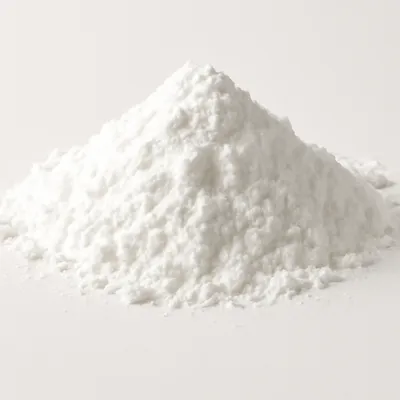


How it's made
7 steps · 25 min
- 115 min
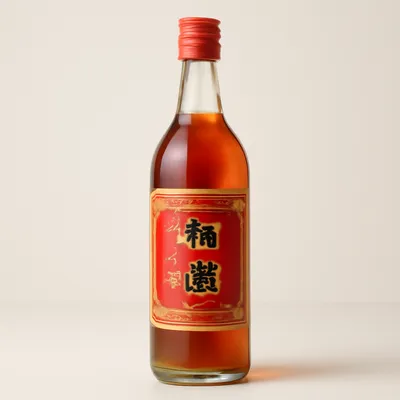
Debone and skin the white fish fillet; cut into thin strips or mince finely. Toss with salt and Shaoxing wine and let marinate for 15 minutes.
- 25 min
Separate the eggs: whisk yolks with cornstarch until smooth and uniform. Set egg whites aside for optional garnish.
- 35 min
Mince ginger very finely; combine with rice vinegar, a pinch of salt, and a small amount of water starch to make the ginger-vinegar finishing sauce.
- 45 min
Heat wok over high heat; add oil until shimmering around 200 °C. Stir-fry the fish strips for about 90 seconds until just cooked through and opaque. Remove and drain.
- 55 min
Reduce heat to medium-high; add a little fresh oil. Pour in the egg-yolk mixture and stir constantly with a spatula, breaking it into loose fibrous threads as it sets — do not let it form a solid sheet.
Watch outStir the egg yolk constantly as it sets, breaking it into loose fibrous threads — let it form a solid sheet and it won't pass for crab-meat strands.
- 65 min
Return the cooked fish to the wok; pour the ginger-vinegar sauce over. Toss vigorously over high heat for 30 seconds until everything combines and lightly glazes.
Watch outAdd the ginger-vinegar at the very end — its aroma is what tricks the nose into reading 'crab'; cook it long and the trick fades.
- 75 min
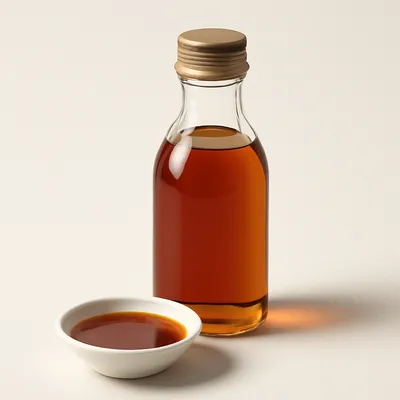
Drizzle sesame oil, transfer immediately to a serving plate. Garnish with thinly sliced scallion greens and serve at once.


