
A savory Shunde specialty: water-buffalo milk and egg white soft-fried over low heat into a just-set silken curd, scattered with shrimp, crab, ham, and fried olive kernels. Snow-white, barely holding its shape, milky and rich — not a dessert.




A signature dish of Daliang town in Shunde, Guangdong, in the heart of the Pearl River Delta where water-buffalo dairying has been practiced for centuries (the same buffalo milk yields the local pressed milk-cake, Daliang milk curd). The Encyclopedia of Chinese Cuisine records that stir-fried milk was created in the early Republican period (1910s); it is widely credited to Fengcheng (Daliang) chefs, with the Daliang cook Long Hua said to have simplified the method and enriched the garnishes around the 1940s, carrying it from a rich man's table into common restaurants. It is cited as a textbook example of the soft-fry (ruan chao) technique.
The curd should quiver but not run — soft enough to fold under a spoon, firm enough not to weep onto the plate. First the cool-rich coat of buffalo milk and egg white, then the snap of shrimp and crab, the salt of diced ham, and the toasted crunch of olive kernels on top. Served warm, not hot. A failed version is either rubbery and scrambled like egg, or a loose milky puddle that has wept water.
The dish lives or dies on protein-setting and heat. Buffalo milk carries roughly 7–8% fat and about 18% total solids (against 3–3.5% fat and ~13% solids in cow milk); the high fat and low water let it firm up the instant water flashes off, while watery cow milk weeps and never sets. Egg white supplies the albumen that coagulates around 60–65°C, locking the milk into a soft custard; a little wet starch buffers the proteins so they thicken instead of curdling. The oil is heated to about 70% (qi-cheng re) then cooled slightly, the milk-egg slurry poured in over a low flame and pushed gently and constantly in one direction — the constant motion sets the proteins in fine flakes rather than one rubbery sheet. Too hot or too slow and it scrambles like egg; too cool and it stays raw and runs.
Variations
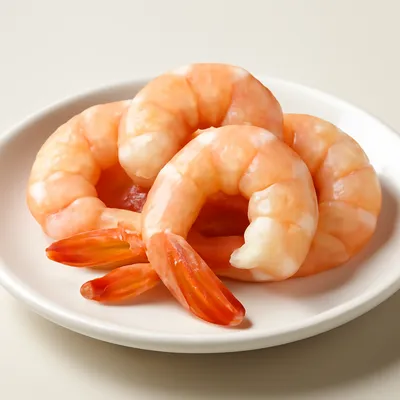
Classic Daliang versions fold in shrimp, crab meat, chicken liver, and diced ham, topped with fried olive kernels (lam yan); humbler home and restaurant versions use milk and egg white alone, or just shrimp. A distinct sibling is deep-fried milk (zha niunai / cha-nai), in which a set, chilled milk custard is cut into batons, battered, and deep-fried — crisp outside, molten inside — a different dish, not the soft-fried original. Where fresh buffalo milk is unavailable, cooks substitute whole cow milk boosted with a little more starch or evaporated milk to compensate for the lower fat.
On the Palate
Where Stir-Fried Fresh Milk sits in the Chinese flavor cloud
Ingredients
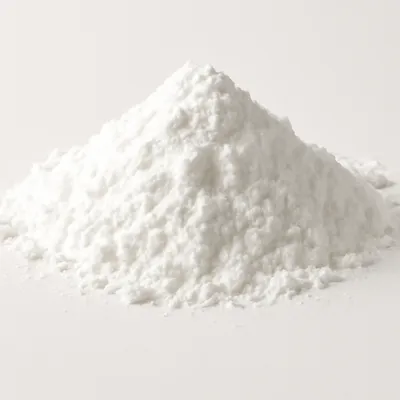
Serves 2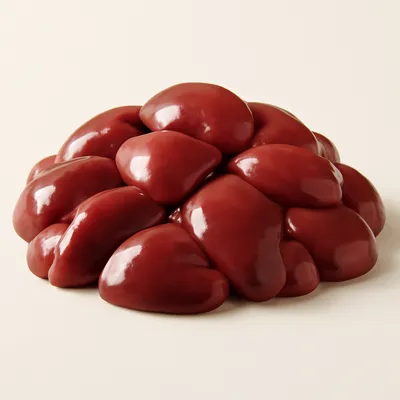


How it's made
7 steps · 20 min
- 16 min
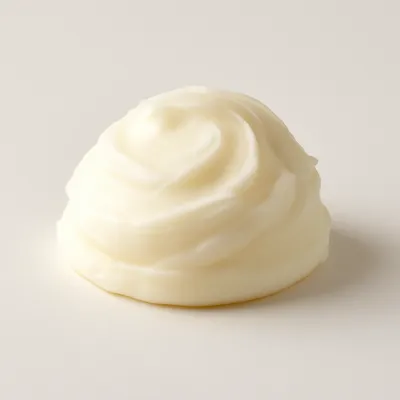
Bring the buffalo milk just to a boil, then cool to room temperature; stir in the wet starch until smooth.
- 22 min
Lightly beat the egg whites, then fold them into the milk-starch mixture with the salt; do not over-whisk.
- 34 min
Blanch the diced chicken liver and shrimp until just cooked, then quickly pass them through warm oil; add the crab meat and diced ham.
- 41 min
Heat a clean wok with oil to about 70% (qi-cheng re), swirl to season the surface, then pour most of the oil out, leaving a thin film.
Watch outHeat the oil to about 70%, then swirl and pour most out — a properly seasoned, filmed wok is what keeps the milk curd from sticking and scorching.
- 52 min
Lower the flame, pour in the milk-egg slurry and add the seafood and ham; push gently and constantly in one direction.
Watch outLower the flame and push gently in one direction — the egg white sets the milk into a soft custard, and low, steady heat is the whole game.
- 63 min
Continue the slow, even folding only until the mixture sets into a soft, just-firm curd that no longer runs.
Watch outStop the instant it sets into a soft curd that no longer runs — a breath too long and it turns dry and grainy.
- 71 min
Slide onto a plate, mound it gently, and scatter the fried olive kernels over the top; serve warm at once.


