
A classic Changsha Hunan dish of skinned, deboned eel cut into fine slivers, coated in egg white and starch, then flash-fried with bamboo shoots, mushrooms, green chili and perilla. Its literary name turns the cook's hardest step — peeling off the eel's skin — into the image of a general shedding his robe; eel is locally nicknamed the little dragon, and Zilong is the courtesy name of the Three Kingdoms general Zhao Yun, so the dish is prized as much for its wordplay and knife work as for its taste.




The dish belongs to the refined Changsha banquet tradition linked to the early-twentieth-century statesman-gourmet Tan Yankai, whose household style — Zu'an cuisine — set the standard for elegant Hunan cooking; Tan is recorded as especially fond of it, and it became a signature of Changsha's famous Quyuan restaurant, later eaten by figures such as Li Zongren, the painter Qi Baishi and the playwright Tian Han. The name is the centerpiece: making the dish requires gutting, deboning, beheading and, above all, skinning the eel, an act likened to an ancient warrior shedding his robe. Because eel is nicknamed the little dragon in the local dialect, and because Zilong is the courtesy name of Zhao Yun, the celebrated general of Changshan in the Three Kingdoms, the cook's robe-shedding little dragon becomes Zilong sheds his robe — a pun, as the sources stress, with no real biographical tie to Zhao Yun himself. Who first coined the name is not securely documented.
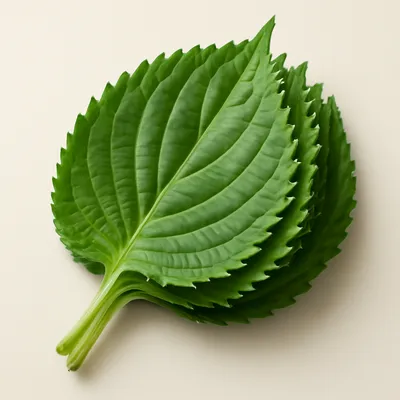
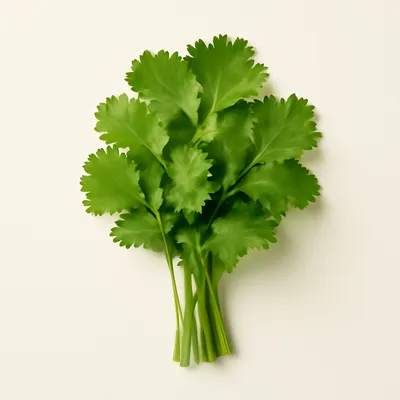
The eel slivers come to the table tender and slippery-smooth, with no trace of bones or muddy taint, each one wearing a thin glossy sheen from the egg-white coating. They taste savory and fresh with a gentle warmth of green chili, while the bamboo shoots and mushrooms add a crisp, springy bite underneath. Threads of perilla and cilantro lift the finish with a clean herbal fragrance, and the white, green, brown and purple of the ingredients make the plate as striking to look at as it is to eat.
Everything rests on knife work and heat. The eel must be sliced into even threads about five centimeters long and three millimeters thick, so the strands cook in the same instant; a coat of egg white and dry starch forms a film that seals in juices and shields the delicate flesh. The slivers are slid into oil at only about fifty percent heat for roughly thirty seconds — just hot enough to set the protein and firm each thread without toughening it — then drained. The accompaniments are fired separately at a higher heat near eighty percent, and everything is tossed together fast: eel meat is lean and turns rubbery if overcooked, so the whole stir-fry is over in moments, the wok kept roaring throughout.
Variations
Recipes differ in the supporting cast: some keep the classic bamboo shoots, mushrooms, green chili and perilla, while home versions often simplify to onion and chili, hence the common alternate name stir-fried eel slivers with onion. Cooks split between a clean savory-fresh seasoning and a more frankly spicy Hunan treatment; a touch of black vinegar and white pepper is traditional for cutting any fishiness. The harder, more authentic method slides the coated slivers through warm oil first, while quicker home renderings stir-fry them straight in the wok.
On the Palate
Where Zilong Sheds His Robe sits in the Chinese flavor cloud
Ingredients
Serves 3

How it's made
8 steps · 50 min
- 110 min
Kill and clean the live eel, then debone it: open the belly along the spine, lift out the backbone, and discard head and innards.
- 25 min
Lay the eel flat, slit the skin, and pin the flesh with the blade while pulling the skin off in one piece — the robe-shedding step that gives the dish its name.
- 315 min
Cut the eel into even slivers about 5 cm long and 3 mm thick. Cut the bamboo shoots, mushrooms and green chili into matching threads; shred the perilla and cilantro.
Watch outCut the eel into even slivers about 5 cm long and 3 mm thick — uneven strands cook at different rates and some overcook to rubber.
- 43 min
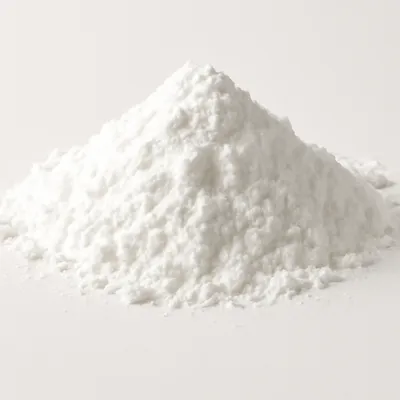
Toss the eel slivers with salt, rice wine, egg white and dry starch until each strand is evenly coated.
- 52 min
Heat oil to about 50 percent hot, slide in the eel slivers, separate them, fry for roughly 30 seconds until just set, then pour out and drain.
Watch outSlide the coated slivers into oil at only about 50 percent heat for around 30 seconds — just to set the protein; hotter or longer toughens the delicate strands.
- 62 min
Reheat the wok with oil to about 80 percent hot and stir-fry the bamboo shoots, mushrooms and green chili until fragrant.
- 71 min
Return the eel, splash in rice wine, season with salt, white pepper and a little black vinegar, and toss fast over high heat.
Watch outToss everything fast over high heat — the eel is cooked, so long tossing just squeezes out its juices and dries it.
- 81 min
Stir in the perilla and cilantro, drizzle with sesame oil, and plate at once.


