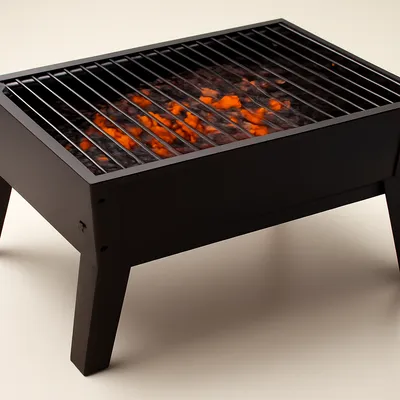
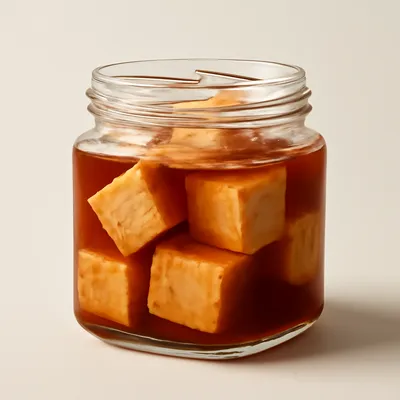
Hainan's most celebrated roast, sourced from local black piglets under ten kilograms and cooked over an open charcoal furnace until the skin turns lacquer-gold and shatters on contact. One of the Eight Treasures of Hainan, the Fushan style is distinguished by its open-flame technique, fermented red tofu in the cavity, and a skin glaze of wine, sugar, and vinegar that produces an exceptionally crisp, burnished exterior.



Fushan Roast Suckling Pig comes from Fushan town in Chengmai County and ranks among Hainan's celebrated specialties, mentioned in the same breath as the island's four great dishes—Wenchang Chicken, Jiaji Duck, Hele Crab, and Dongshan Lamb. Local tradition holds that the dish originated in the late Qing dynasty: a scholar from Danzhou, walking to sit the imperial examination at Qiongzhou, stopped at Fushan one cold winter night. His host, an elderly farmer, slaughtered a suckling pig and roasted it over charcoal on an iron rake, rubbing it with only salt and ginger—a preparation so warmly received that the method spread through the village and eventually defined the town's culinary identity. With more than a century of history behind it, the open-furnace roasting craft has become a treasured Chengmai tradition that local authorities have worked to preserve.
The lacquered skin gives a loud, clean crack on the first bite—a single shatter releasing wood smoke, caramel, and rendered fat simultaneously. Beneath it, the meat is milk-white, impossibly fine-grained, and sweet in the way that only very young pork can be, with back notes of five-spice and fermented tofu rising slowly from deep in the cavity.
Open-furnace roasting works in two sequential phases. In the first phase the pig is positioned cavity-side toward the fire: subcutaneous fat liquefies and migrates inward toward the lean meat rather than dripping away, simultaneously pre-curing the inner flesh. In the second phase, the skin coated with rice wine, sugar, and vinegar undergoes simultaneous caramelization and Maillard reactions—sugars brown and polymerize while skin amino acids form hundreds of aromatic ring compounds, building the signature golden lacquer and complex roasted aroma. Periodic needle-pricking releases steam pockets that would otherwise separate skin from flesh. Collagen in young pig skin converts to gelatin around 70°C, then fully dehydrates at the surface under the furnace's 200°C-plus heat, forming the glassy, brittle crust.
Variations
Lingao Roast Pig, also an Eight Treasures dish, is prepared with a different local pig breed and lighter seasoning, producing a thinner, less deeply glazed skin. Some Chengmai restaurants now use small white pigs alongside the traditional black breed. A premium banquet presentation chops the whole roasted pig tableside into coin-thin skin-on rounds, served immediately to preserve the crunch.
On the Palate
Where Fushan Roast Suckling Pig sits in the Chinese flavor cloud
Ingredients
Serves 8


How it's made
8 steps · 1 hour 30 min active + 2 hours 30 min waiting
- 160 min
Clean and dress the suckling pig; pat the cavity thoroughly dry and rub it with salt, five-spice powder, mashed fermented red tofu, and cooking wine; leave to marinate for one hour.
- 270 min
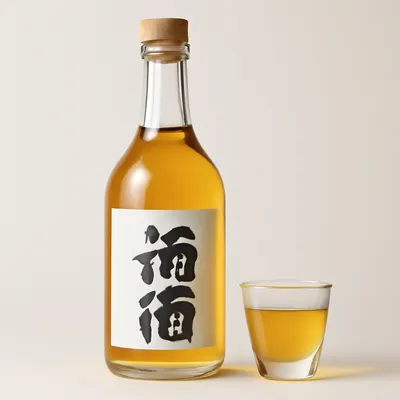
Blanch the exterior skin briefly with boiling water, then pat completely dry; rub the skin with rice wine, then brush evenly with a glaze of sugar, rice vinegar, and a small amount of oil; air-dry hanging in a cool, ventilated spot for one hour until the skin is taut and papery.
Watch outThe skin must dry until it's taut and papery to the touch before it goes near fire — any dampness left and it steams instead of crisping into that glass lacquer.
- 330 min
Build a charcoal fire in an open furnace; position the pig cavity-side toward the fire first and roast over medium heat, turning and basting occasionally, for about 30 minutes to cure the inner meat and render fat into the skin.
Watch outKeep the fire medium here — you want the fat inside to slowly melt and soak into the skin, not to scorch the surface yet.
- 420 min
Flip the pig so the skin faces the fire; roast over medium-high charcoal heat, rotating regularly and reapplying the glaze every 10 minutes.
- 55 min
Use a thin needle to prick any air bubbles that form under the skin during roasting, releasing steam to keep skin and flesh bonded.
Watch outWhen you see a bubble puff up under the skin, prick it right away so the trapped steam escapes and the skin stays glued to the meat instead of blistering off.
- 615 min
Increase heat for the final 15 minutes to deepen the golden color and maximize skin crispness; total roasting time is about 60 to 70 minutes depending on pig weight.
Watch outFinal blast of heat until the skin turns deep amber and taps hard and hollow — that's the crackle you're after.
- 75 min
Rest the pig briefly on a rack; brush with a final thin coat of oil while still hot.
- 810 min
Chop into serving pieces with a cleaver—each piece should include a section of crispy skin—and serve immediately with dipping sauces.
Archive tool suggestions — not reviewed
These legacy suggestions have not been evidence-reviewed and are not presented as required tools.