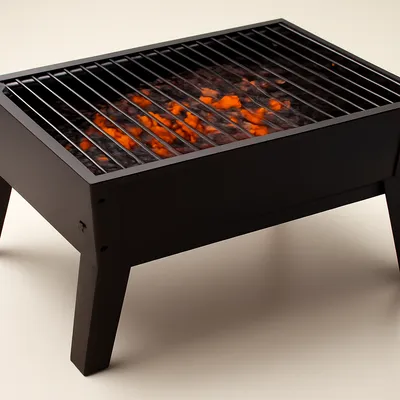
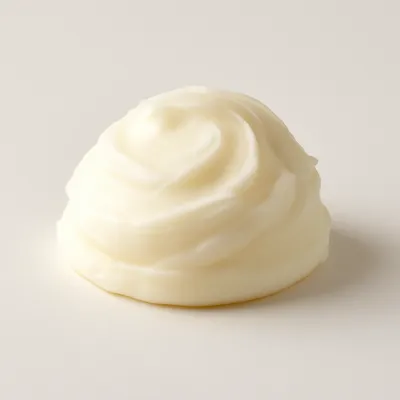
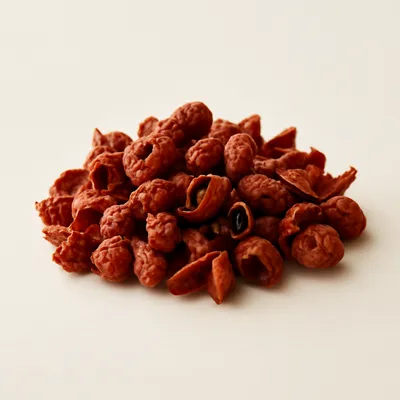
Yiliang roast duck is the signature roast duck of Yiliang county outside Kunming, Yunnan, and the best known of the province's roast ducks, often called 滇宜烧鸭 or simply 宜良烧鸭. It uses the small local 麻鸭 (a spotted mallard-type duck), roasted not over an open flame but in a clay 焖炉 (a closed earthen oven): bundled pine needles (松毛) are burned down to embers and the duck is hung inside, cooked by the radiant heat of the glowing charcoal and the hot oven walls behind a shut door. The skin is glazed with honey rather than maltose and basted with lard, so it comes out a deep jujube-red, thin and crisp, over white, tender, falling-off-the-bone meat. It is carved and eaten with the crisp skin, dipped in sweet bean sauce or Sichuan-pepper salt with raw scallion, or rolled in a thin reed-scented pancake. Yiliang's craft is concentrated in the town of Goujie (狗街), and the dish was listed as a Yunnan provincial intangible-cultural-heritage item in 2009.

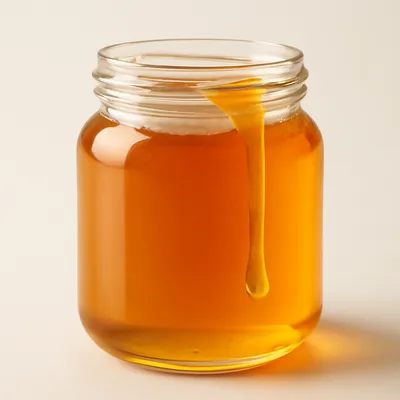


Folk tradition traces Yiliang duck to the early Ming, when the general Fu Youde marched south to pacify Yunnan and is said to have brought along a Nanjing cook nicknamed 「李烧鸭」 who settled near Yiliang — but this is legend, and the earliest documented history of roast duck in the county dates only to the late Qing. The reliable lineage runs through the town of Goujie. In the twenty-seventh year of the Guangxu reign (1901), a Goujie juren named Xu Shi (许实, courtesy name 秋田) of Shenwuying village travelled to Beijing for the metropolitan examination; his book-attendant Liu Wen (刘文), of Xixi village, lodged beside a Beijing roast-duck shop and, with time on his hands, learned the whole trade there. Liu carried the method home and opened a duck shop, 质彬园, by the Goujie railway station. He adapted the Beijing technique to local materials: reed stalks in place of the sorghum stalk used to plug the duck, honey in place of maltose for the glaze, and a clay 焖炉 fired with pine needles to roast the small local 麻鸭. From Goujie the craft spread through Yiliang and on to Kunming, and it was inscribed on Yunnan's second provincial intangible-cultural-heritage list in 2009. The exact founding date of the trade is otherwise unrecorded.
A good Yiliang duck arrives a glossy jujube-red, the skin so thin and crisp it cracks under the cleaver; a first bite is all shattering skin and the faint sweet smoke of pine and honey, then the fat gives way to white meat that is moist and tender and pulls cleanly off the bone. The flavor is gently sweet and clean rather than heavily seasoned, the smoke kept light. Dipped in sweet bean sauce it turns rounder and sweeter, in pepper-salt sharper and savory; a scrap of raw scallion or a reed-scented pancake cuts the richness. Done badly, the skin goes leathery or scorched and bitter where the heat ran too hard, or it steams flabby and pale because the oven cooled, and the meat dries out stringy instead of staying juicy.
Yiliang duck is roasted in a sealed clay 焖炉 (closed oven), and its character comes from indirect heat. Bundles of pine needles are burned down to embers first and the flame is let die, so the duck never meets an open fire; hung inside behind a shut door, it cooks by the radiant heat thrown off the glowing charcoal and the heat stored in the thick earthen walls. This even, enclosing heat is what leaves the meat white, moist and tender, and it is mechanically the opposite of Beijing's 挂炉, where the duck is roasted over a live fruitwood fire and constantly turned and flamed. Before roasting the bird is inflated through a hole under the wing so the skin lifts off the fat, then it is glazed with honey and basted with lard. As the duck roasts the skin dries and its sugars and proteins brown through the Maillard reaction and caramelization into the crisp, deep jujube-red shell, while the layer of subcutaneous fat renders out and bastes the meat from within. Honey browns faster and at a lower temperature than the maltose of the north, helping the color set; the pine-needle smoke perfumes the skin, and a drip tray below catches falling fat so it cannot fall on the embers, flare up and foul the duck with black, acrid smoke.
Variations
Within Yiliang, the most famous line is the 狗街烧鸭 of Goujie town, the cradle of the craft and the source of the modern lineage; Yiliang ducks are now sold under shop names such as 李烧鸭. As technique modernized, two changes spread: the immovable clay 焖炉 was reworked into patented steel ovens, and where pine needles are scarce, chestnut charcoal (栗炭) is burned as fuel instead. The dish is best set against the two northern styles it is often compared with: Beijing roast duck, roasted over a live fruitwood fire in an open 挂炉 (or in its own 焖炉 variant), glazed with maltose and eaten with thin wheat pancakes, scallion and sweet flour sauce; and Nanjing's ducks, the salt-cured 盐水鸭 and the sauce-and-brine 金陵烤鸭 finished with a savory brine (卤汁) rather than roasted for crisp skin. Yiliang's own duck stays its Yunnan self — a small 麻鸭, honey-glazed and 焖炉-roasted, eaten with sweet bean sauce, pepper-salt and a reed-scented wrap.
On the Palate
Where Yiliang Roast Duck sits in the Chinese flavor cloud
Ingredients
Serves 4


How it's made
8 steps · 1 hour 30 min
- 115 min
Choose a small local 麻鸭; slaughter, scald and pluck it, then open a small hole under the wing and draw out the innards and feet, keeping the body whole.
- 28 min
Blow air in through the hole under the wing so the skin separates from the fat and the body plumps up; plug the vent with a reed stalk and rub the cavity with seasonings.
- 312 min
Scald the skin with boiling water to tighten it, then brush the whole bird with a honey-water glaze and a little lard and hang it in an airy spot to dry until the skin is taut.
Watch outHeat the wok until it just smokes before the lamb goes in — a properly ripping wok sears the slices in seconds; a cool one makes the lamb weep water and boil grey.
- 430 min
Bundle pine needles into a tight rope, set it in the bottom of the clay 焖炉 and burn it down; once the smoke has cleared and the flame has died, level the embers with a shovel.
Watch outSear in a single layer and toss fast, pulling it the instant it changes color — crowd the wok and the temperature drops and the meat toughens.
- 55 min
Hook the duck by the neck and hang it inside the oven about 30 cm above the embers, with a drip tray set below to catch falling fat, then shut the oven door.
Watch outThrow in the scallion for only seconds — it should wilt at the edges but stay sweet and crisp, not cook down soft.
- 630 min
Roast in the closed oven for roughly half an hour, turning the duck once so breast and back heat evenly, and basting again with honey water and lard for color.
- 75 min
When the skin is a glossy deep jujube-red and crisp and the meat is cooked through, take the duck out and let it settle briefly.
- 88 min
Carve the duck so each piece carries crisp skin, and serve with sweet bean sauce, Sichuan-pepper salt and raw scallion, or with thin pancakes for wrapping.
Archive tool suggestions — not reviewed
These legacy suggestions have not been evidence-reviewed and are not presented as required tools.