Bama mini-pig is a small native pig breed from Bama Yao Autonomous County in Hechi, Guangxi, prized for its thin skin, fine bones, and tender, fragrant meat that carries almost no gaminess. Mature animals weigh only about 45 kilograms, and the carcass runs lean with bright-red muscle and clean white fat. It is most often cooked as a whole roast suckling pig (kao xiangzhu), the skin lacquered and dried so it crisps to a glassy crackling, or served white-cut (bai qie xiangzhu) — gently poached, sliced, and eaten with a dipping sauce. The recipe below is for the whole roast. The breed is also stewed, hot-potted, or pan-fried.




The Bama mini-pig (Bama xiangzhu) is a long-domesticated local breed of Bama Yao Autonomous County, Hechi, in northwest Guangxi, and is regarded as one of the finest of China's xiangzhu (fragrant-pig) breeds. Bama is a Yao-majority county long famous for its concentration of centenarians: in November 1991 it was named the world's fifth 'home of longevity' by the (privately founded Japanese) International Natural Medicine Society, and it is commonly promoted as a 'county of longevity' — context that lent the breed its provenance and renown rather than any proven health effect of the meat. In March 1995 Bama was designated 'China's Home of the Fragrant Pig' by a national special-products body, and in August 2005 Bama xiangzhu was granted national Geographical Indication product protection by China's General Administration of Quality Supervision, Inspection and Quarantine.
Done right, the roast pig shatters: a thin, glassy crackling that splinters under the tooth, backed by a sliver of rendered fat and meat so fine-grained it pulls apart tenderly, with a clean, faintly sweet pork fragrance and none of the barnyard rankness of ordinary pork. White-cut, the same meat is silky and just-set, the thin skin gelatinous, the flavor delicate enough to eat with little more than ginger-scallion or soy. Done badly, the skin turns leathery or blackens, the lean dries to cotton, or the fat sits greasy and unrendered.
A small, young, thin-skinned pig is what makes both textures possible. For the roast, the skin is scalded, then brushed with a 'pi shui' glaze of maltose and vinegar and air-dried until taut and dry: surface dehydration is the precondition for crispness, while the maltose supplies reducing sugars. Under heat the skin's proteins and those sugars drive the Maillard reaction to a caramel-brown crackling, and the abundant subcutaneous fat renders and partly oxidizes, throwing off small carbonyl compounds that deepen the browning and aroma; the thin skin and low, even fat let it crisp through without scorching. The animal is first roasted gently in a closed oven (low fire, around 200 degrees, roughly two hours) to render fat and set the meat, then finished over open flame to color the skin gold. For white-cut, the pork is poached just below a boil in seasoned stock so the proteins set and stay juicy without the muscle fibers tightening and toughening, which is what hard boiling would do.
Variations
The two classic preparations are kao xiangzhu / kao ruzhu (whole roast, glassy crackling skin, cut into domino-sized pieces) and bai qie xiangzhu (white-cut: poached or blanched, sliced, served with scallion-soy or a chili dip). Beyond these the meat is also red-stewed or braised (men zhu), used in hot pot, stir-fried (bao chao), or pan-seared (xiang jian); because the meat is naturally fragrant and lean, it is often cooked with no more than salt and aromatics.
On the Palate
Where Bama Mini-Pig sits in the Chinese flavor cloud
Ingredients
Serves 8



How it's made
7 steps · 4 hours
- 130 min
Clean a whole small suckling pig: open the belly, remove the organs and the main backbone, and score the inner flesh in a crosshatch so heat penetrates evenly.
- 230 min
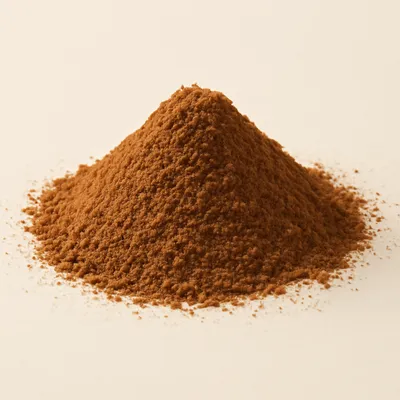
Rub the inside of the pig all over with salt, sugar, five-spice powder, and a little MSG; let it marinate to season the flesh.
- 320 min
Skewer the pig open on a steel fork from the hind legs through to the front, spreading both sides flat with bamboo splints, then scald the skin with boiling water until it tightens.
- 4180 min
Brush the taut skin evenly with pi shui — a glaze of maltose, vinegar, and a little rice wine — then hang the pig to air-dry until the skin is fully dry and taut.
Watch outBrush the maltose glaze on and hang the pig until the skin is bone-dry and drum-taut — surface dryness is the precondition for crackling; a damp skin steams instead of crisping.
- 5120 min
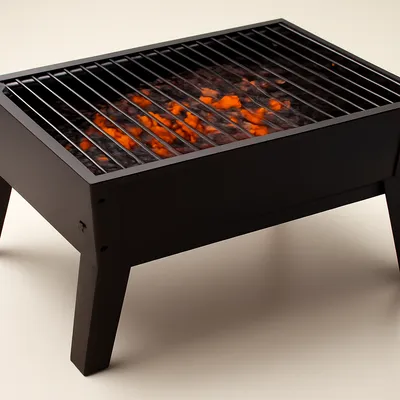
Roast in a closed oven over low heat at about 200 degrees for roughly two hours to render the fat and set the meat.
- 625 min
Move the pig over an open flame and finish, turning, until the skin crisps and colors deep gold all over.
Watch outFinish over open flame, turning, until the skin blisters crisp and colors deep gold all over — keep it moving so it browns even and doesn't char in spots.
- 710 min
Rest briefly, then chop into domino-sized pieces and serve, with the crackling on top.
Archive tool suggestions — not reviewed
These legacy suggestions have not been evidence-reviewed and are not presented as required tools.