Lingao roast suckling pig is a banquet centerpiece of Hainan (Qiong) cuisine, named for Lingao county on the island's north coast and built on the local Lingao pig, one of Hainan's three native breeds. A whole suckling pig of about 5-7.5 kg is split down the spine and pressed flat, scored about a centimetre deep on the meat side, and rubbed with a paste of salt, sugar, minced ginger and garlic, fermented bean curd, ground white pepper, star anise, cassia and rice wine, then roasted over a low charcoal or fruitwood-charcoal fire. As the pig turns, the skin is repeatedly brushed with a maltose or honey syrup and a little peanut oil until it colours deep amber and blisters crisp; a finished pig is prized for crackling skin, fine tender meat, and bones roasted soft enough to bite. It is carved at table and the crisp skin is eaten dipped in white sugar. The dish was named one of Hainan's Ten Great Dishes in 2012, and the Lingao roasting technique was listed as a provincial intangible cultural heritage in 2023.



Lingao roast suckling pig is a dish of Lingao county in northern Hainan, the home of the Lingao pig (临高猪), counted with the Wenchang and Tunchang pigs as one of Hainan's three native breeds. The breed is marked by a black back and white belly with a white inverted triangle on the forehead, a small frame, thin skin, fine bones and a high proportion of lean meat, and it is raised free-range rather than penned — attempts to pen-raise it failed because the skin would not crisp and split during roasting. Piglets are taken at around 45 days and about 6-7.5 kg, the weight judged best for roasting. The exact origin and date of the dish are not recorded; local accounts give it roughly three centuries of history, and it is concentrated in Lingao and nearby counties such as Dongfang. Within Lingao, the townships of Bolian, Nanbao and Duowen are reckoned to raise the finest pigs, the black-bodied lean type from Bolian especially so. The dish was named one of Hainan's Ten Great Dishes (海南十大名菜) in 2012, chosen through public voting and expert review and announced that May at a Hainan dining and Qiong-cuisine forum in Haikou, and in 2023 the Lingao roast-suckling-pig technique entered Hainan's provincial list of intangible cultural heritage.
The first thing is the skin: a thin amber sheet that shatters with an audible crack and then dissolves, edged with the sweetness of the syrup glaze and, if you follow custom, a dip of white sugar that plays against the salt of the cure. Under it the meat is fine-grained, tender and barely fatty — the Lingao pig carries little lard — scented with star anise and cassia rather than soaked in sauce, and the small bones are roasted soft enough to crush between the teeth. Done well, skin and meat stay clearly separate, crisp over juicy. Done badly, the skin is leathery or pallid where the fire was uneven, or the syrup was brushed on too thick and too soon and the surface scorches dark and bitter before the inside is done.
Crisp skin is a matter of drying the rind and then rendering and browning it without burning the meat below. Splitting and pressing the pig flat exposes an even surface to the fire, and the centimetre-deep scoring on the meat side lets heat and seasoning in while keeping the skin whole. A low, steady charcoal fire — fruitwood charcoal burns clean and lends a faint smoke — drives water out of the skin and slowly renders the thin layer of subcutaneous fat, which fries the rind from within into brittle blisters; the Lingao breed's thin skin and low fat make this fast and even, which is why penned, fattier pigs split and refuse to crisp. The syrup brushed on the surface is the browning engine: the sugars in maltose or honey caramelise and, together with proteins in the skin, drive the Maillard reaction that builds the deep amber colour and roast aroma, while the brushed peanut oil carries heat evenly and raises the surface temperature. The brushing is repeated and kept thin precisely because sugar burns easily — too much too early chars to bitterness before the meat cooks through. The cure does the seasoning: salt draws out moisture and firms the flesh, fermented bean curd adds salt and savoury depth, and star anise, cassia and white pepper supply the aromatic spices that scent the meat from the inside.
Variations
The best-known cousin is Cantonese roast suckling pig (广式烤乳猪), the headline dish of Guangdong roast meats, which leans hard on a maltose skin-wash for a glassy crackling and is served at weddings, openings and Qingming ancestral rites; the Lingao version differs in its own native breed, its star-anise-and-cassia cure with fermented bean curd, and its fruitwood-charcoal roasting. Within Hainan the Lingao pig is also braised, stir-fried and steamed, though roasting is held to be the best use, and roast suckling pig sits among Hainan's other famed dishes such as Wenchang chicken and Dongshan mutton. Lingao pig is one of the island's three native breeds, distinct from the Wenchang and Tunchang pigs; in Lingao the pig even appears at the breakfast table, sold by the cut from a freshly roasted carcass.
On the Palate
Where Lingao Roast Suckling Pig sits in the Chinese flavor cloud
Ingredients
Serves 10

How it's made
7 steps · 2 hours active + 2 hours waiting
- 130 min
Choose a free-range Lingao suckling pig of about 6-7.5 kg; bleed it, scald and scrape off the hair, then clean and gut it.
- 220 min
Split the pig down the spine and press it flat so the skin lies tight against the board, then score the meat side in a crosshatch about 1 cm deep, taking care not to cut through the skin.
Watch outScore the meat side about a centimetre deep without cutting through the skin — the slashes let heat and seasoning in while the rind stays whole to crackle.
- 320 min
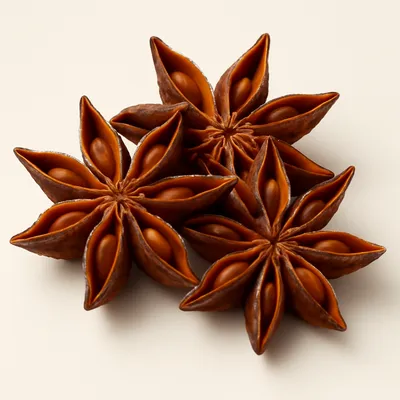
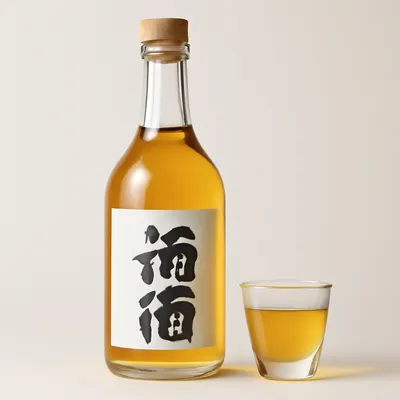
Mix a cure paste of salt, sugar, minced ginger and garlic, fermented bean curd, ground white pepper, star anise, cassia and rice wine, and rub it evenly into the scored meat; let the pig take on the seasoning.
- 410 min
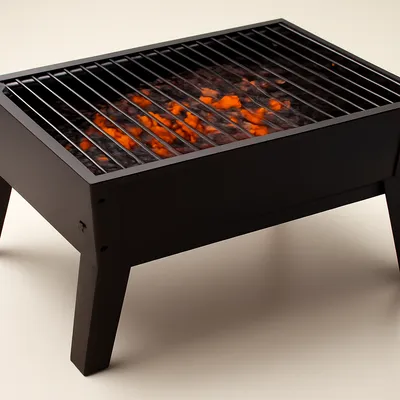
Skewer the flattened pig on a frame or spit and set it over a low charcoal or fruitwood-charcoal fire, skin side to the heat.
- 550 min
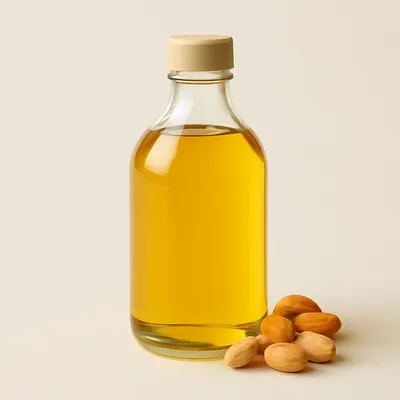
Roast slowly, turning the pig constantly and keeping the fire even; as the skin colours, repeatedly brush it with a thin maltose or honey syrup and a little peanut oil to build colour and crackling.
Watch outKeep the fire low and steady, turning constantly, brushing on syrup as the skin colours — rush the heat and the skin blackens before the fat renders.
- 610 min
Continue until the skin is deep amber and crisp all over and the meat is cooked through, about an hour; prick or pat down any large blisters so the surface stays even.
Watch outPrick or pat down big blisters as they form so the skin stays even and crisps all over, deep amber right through.
- 75 min
Carve the pig at table, cutting the crisp skin and meat into pieces, and serve hot with white sugar for dipping.
Archive tool suggestions — not reviewed
These legacy suggestions have not been evidence-reviewed and are not presented as required tools.