A singular Bai delicacy of fire-singed pork — the pig's hair burned away with rice straw, the skin scrubbed golden with wood ash — served as paper-thin raw slices of skin, lean meat, and organ, dipped in a dark, pungent plum-vinegar sauce loaded with ginger, garlic, and chili.





Bai raw pork has been consumed since at least the late Ming dynasty. The geographer Xu Xiake, who traveled extensively through Yunnan in the 1630s, recorded in his journals (《徐霞客游记》) what he witnessed at Fengyu in Dali during Qingming tomb-visiting: "富者携猪一只,宰后用火炅烧而食之" — wealthy families brought a whole pig, slaughtered it at the graveside, fire-singed it, and ate it raw. The practice relies on the alkaline ash treatment and the high-acid plum-vinegar sauce to manage surface microbial load on freshly slaughtered meat. In Bai tradition, offering 生皮 to a guest signals the highest level of trust; being served it at a wedding indicates membership in the family's most intimate circle. Eryuan County (洱源县), north of Dali, is considered the home of the finest 生皮.
The skin carries a faint smoky sweetness from the straw singeing; the raw lean meat is clean, faintly sweet, slightly mineral, with none of the iron taste of raw beef. The dipping sauce — a bracing compound of plum vinegar, pounded ginger, garlic, dried chili, and a woody ash undertone — transforms each slice, its sharp acidity making the fat on the meat seem to shimmer and melt.
The straw-singeing step achieves two effects: open-flame combustion burns away hair and dehydrates the skin surface (reducing surface water activity), while the subsequent wood-ash rub creates a strongly alkaline environment that denatures surface proteins and disrupts bacterial cell membranes. The plum-vinegar dipping sauce provides acetic acid that further inhibits surface pathogens. These measures act only on the surface — the primary food-safety risk, Trichinella spiralis (旋毛虫) and cysticerci (囊虫), reside inside muscle tissue and are not eliminated by ash or vinegar. Traditional Bai communities manage this risk through selective slaughter of locally raised pigs whose feeding histories are known, never using commercially sourced pork for raw preparation.
Variations
Eryuan County's version uses thicker-skinned pigs and is considered the regional benchmark. Some families add Yunnan wild mountain pepper (山花椒) to the dipping sauce for a piney, citrusy heat. Festival preparations may include raw pig heart alongside the standard skin and lean meat, increasing the range of textures.
On the Palate
Where Bai Raw Fire-Cured Pork sits in the Chinese flavor cloud
Ingredients
Serves 4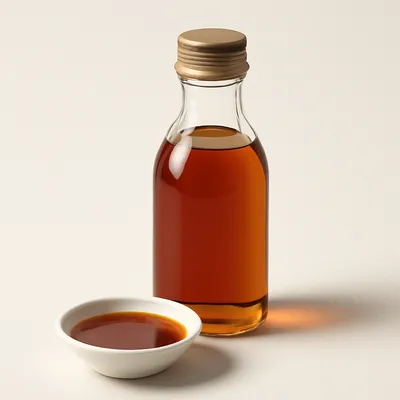

How it's made
8 steps · 1 hour active + 10 min waiting
- 120 min
Begin with a freshly slaughtered pig of known origin; hold bundles of rice straw close to the skin and ignite, moving the flame in sweeping motions across the entire body to burn away all hair while beginning to caramelize the outer skin. Work systematically from head to hindquarters.
- 210 min
While the carcass is still warm, pack burned straw ash over the entire skin; using a handful of straw dipped in wood ash, scrub vigorously in circular motions to remove charred debris and rub the alkaline ash deep into the skin; the surface should emerge a uniform golden-yellow color with a faint straw-smoke fragrance.
Watch outScrub the ash in hard while the skin's still warm until it comes up an even golden-yellow with a faint straw-smoke smell — that alkaline scrub is doing the real surface-cleaning, so don't rush it.
- 35 min
Rinse the carcass thoroughly with clean water; inspect — the skin should be smooth, golden, free of black char patches; pat dry with a clean cloth.
- 415 min
Carve the relevant sections: slice skin into 3–4 cm rectangular pieces; slice lean leg and shoulder meat against the grain into paper-thin strips (2 mm or thinner — hold to light to check translucency); slice raw liver and kidney into thin rounds; arrange each type separately on a large serving platter.
Watch outSlice the lean meat across the grain thin enough that a slice held to the light reads translucent — that's what gives raw pork its clean melt instead of chew.
- 510 min
Prepare the dipping sauce: pound fresh ginger into a rough paste; mince garlic finely; combine in a bowl with plum vinegar (梅醋), dried chili flakes, sesame oil, and salt; taste and adjust the balance of sour, spicy, and savory.
- 610 min
Let the dipping sauce rest 10 minutes so ginger, garlic, and chili aromas integrate; stir once more before placing on the table.
- 75 min
Bring the platter of raw pork and the dipping sauce bowl to the table together; each diner dips individual pieces generously before eating — serve immediately after slicing, never more than 30 minutes post-carve.
Watch outThis gets eaten within half an hour of carving — the ash and vinegar only guard the surface, so the clock is the real safety rule here.
- 82 min
Accompany with steamed white rice and cold Bai pickled vegetables (酸腌菜) to provide a cooked, acidic counterpoint to the clean, raw meat.
Archive tool suggestions — not reviewed
These legacy suggestions have not been evidence-reviewed and are not presented as required tools.