A whole-pig roast from Zhangqiu with over 300 years of family tradition: a 200-pound pig rubbed with thirty-plus medicinal herbs hangs in a three-meter clay pit oven and emerges golden-crisp outside, silken within—Shandong's most theatrical feast centerpiece.


The Huang family settled in Huangjiawan village, Zhangqiu, after migrating from Hebei in 1369 (the 2nd year of the Hongwu reign, Ming Dynasty). Family records note that early generations hunted game in surrounding hills and sold roasted meat to make ends meet. The pivot to roasting whole pigs in clay ovens came during the late Ming to early Qing transition. Legend adds that a Mongolian retainer who traveled with an early Huang official introduced the open-fire lamb-roasting technique, which the family adapted to pork—the region's primary livestock. By the Qing era, the product's fame had reportedly reached the imperial court, with folk tradition holding that the Empress Dowager Cixi once praised it and awarded the family a bronze plaque (an oral tradition unsupported by archival records). The 22nd-generation inheritor Huang Kuan continues the craft today. In 2021, Huang-family roast pork was recognized as a 5th-batch Shandong Provincial Intangible Cultural Heritage.
The skin crackles like lacquered paper, then immediately gives way to fat and meat cooked so gently—sealed in the clay oven with its own steam—that it practically dissolves. Thirty spices register as a warm, complex bass note rather than any single identifiable flavor.
Whole-pig oven roasting relies on the Maillard reaction for the skin's crunch and amber color, while the sealed clay oven creates a high-humidity convection environment that effectively slow-steams the meat from within. The spice rub penetrates during the marinating period; many aromatic compounds are fat-soluble and migrate inward as subcutaneous fat renders. Laboratory analysis reportedly shows the finished product contains approximately 43% fat, 23% protein, and 32% moisture—figures consistent with the sealed clay oven retaining far more water than open-spit roasting allows.
Variations
The whole-pig version is the traditional banquet centerpiece. Modern adaptations offer the pork sliced and folded into Jinan-style flatbread with scallion as a street-breakfast option. Vacuum-packed portions are now sold online, though aficionados maintain the fresh-from-the-oven version is incomparably superior.
On the Palate
Where Huang-Family Roast Pork sits in the Chinese flavor cloud
Ingredients
Serves 20

How it's made
8 steps · 45 min
- 120 min
Remove bones from a dressed whole pig; score the skin in a crosshatch pattern to allow seasoning penetration and even heat distribution.
Watch outScore the skin in a tight crosshatch — the cuts let the rub reach in and, more importantly, let the fat render and the skin blister crisp instead of going leathery.
- 235 min
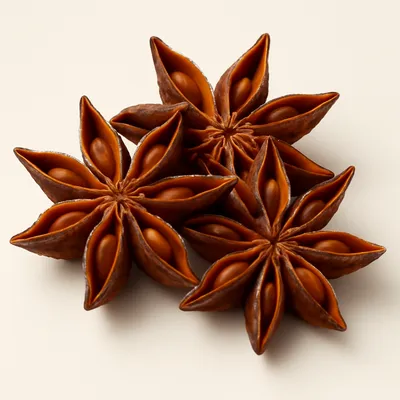
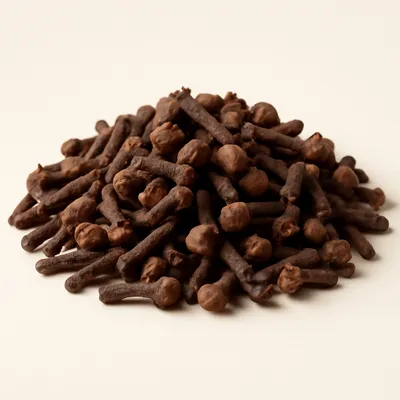
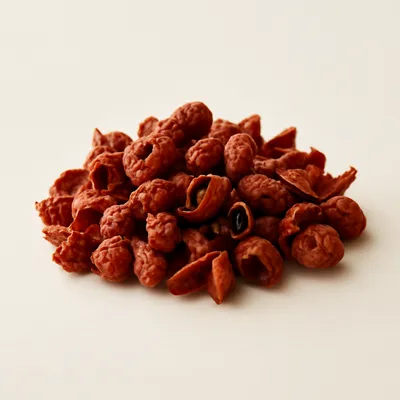
Mix ground star anise, cinnamon, clove, Sichuan pepper, cardamom, ginger, salt, and the remaining proprietary herb blend into a dry rub; coat all surfaces thoroughly and allow to penetrate 30 minutes.
- 310 min
Truss the pig for hanging; seal the abdominal cavity with paper to retain moisture during roasting.
- 460 min
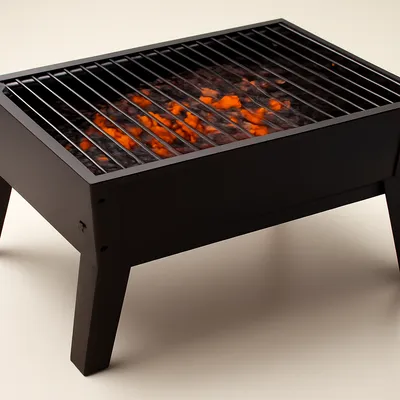
Burn hard wood inside the clay oven for 1 hour until the interior walls are glowing and radiating even heat.
- 55 min
Suspend the seasoned pig inside the clay oven from iron hooks, head-down, centered in the oven.
- 660 min
Seal the oven mouth completely with clay or thick wet cloth; roast approximately 1 hour, monitoring heat by experience.
- 75 min
Open the oven and assess: when skin is deep golden-amber, oil-glazed, and crisp to the touch, remove the pig carefully.
Watch outThe skin is ready when it's deep golden-amber, oil-glazed and crisp to the touch; that colour and gloss is your only doneness read from outside.
- 815 min
Rest 15 minutes before carving; serve skin-side up, portioned at the table.
Archive tool suggestions — not reviewed
These legacy suggestions have not been evidence-reviewed and are not presented as required tools.