A famous Hangzhou cold dish: a whole duck first salt-cured, then steeped in soy sauce, Shaoxing wine, sugar, and spices, air-dried in the cold winter wind, and finally steamed to set. The skin comes out a deep, glossy amber-red and the meat is firm and dense, shot through with a savoury soy fragrance and the lift of rice wine. It is cured around the winter solstice, when the air is cold and dry enough to dry the bird without spoiling it, and sliced to eat cold or just-warm. The classic bird is the Shaoxing duck, and the dish is one of old Hangzhou's named treasures.


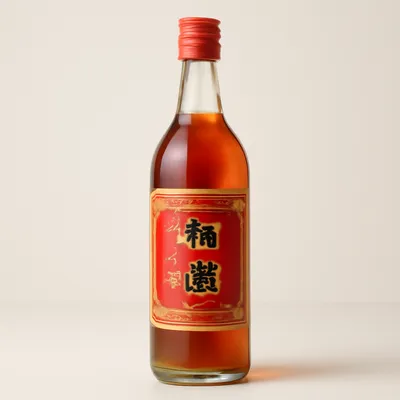


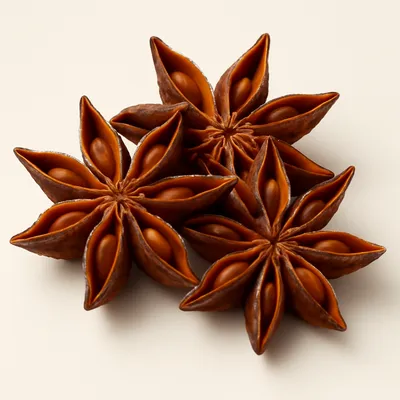
Hangzhou soy-braised duck is a classic of the Hangzhou table, traditionally cured at the turn of winter, when households would hang ducks out to dry for the New Year — locals have called the craving for it the city's annual "love affair." The bird of choice is the Shaoxing duck, raised and matured within the year. Its standing was set in 1956, when the dish was named among the provincial government's list of celebrated old Hangzhou dishes; it was later voted one of the ten finest Hangzhou-style dishes, and served as a designated dish during the 2016 Hangzhou summit. The method is exacting about the weather: the bird must be cured in the cold of winter, with the curing and air-drying both done while the temperature holds below about five degrees Celsius.
Sliced cold, the meat is firm and tightly knit rather than soft, the fibres pulling clean, salty-savoury and deeply soy-fragrant, with a rounded sweetness and a whisper of rice wine running underneath. The skin is a glistening amber-red, thin and taut over the lean flesh. This is a drier, denser duck — the air-drying has pulled the moisture out and pressed the flavour together — meant to be eaten in thin slices as a cold platter, and very good with wine. Compared with a wet-braised duck, it is less juicy and far more concentrated: a slow, cured kind of savour.
The dish is built in three stages — cure, air-dry, then steam — and the order is what makes it. The duck is first rubbed with salt (and a trace of saltpetre) and held in the cold for half a day, then steeped in soy sauce blended with Shaoxing wine, sugar, and spices, turned and re-steeped over a day or two so the seasoning works deep into the meat. It is then hung in the cold, dry winter wind: as the surface loses moisture, salt and flavour concentrate in the firming flesh, and the low temperature keeps the bird safe while it dries — the meat sets dense and the skin draws taut. The deep amber-red owes much to the soy itself, whose long fermentation already carries the brown melanoidins of the Maillard reaction; in the final gentle steam, residual sugars and amino acids brown a little further and the colour deepens and fixes onto the skin. This is the opposite of a hong-shao braise: where Shanghai-style soy duck takes its colour and gloss wet, in the pot from soy and caramelised sugar, the Hangzhou bird earns its drier, firmer character from being cured and wind-dried before it ever sees steam.
Variations
The Hangzhou bird is best told apart from its cousins. Shanghai-style soy duck is a hong-shao affair: often uncured, it takes on colour and sweetness wet in the pot, coming out glossier, moister, and sweeter in the city's "heavy-oil, red-sauce" manner — where the Hangzhou duck is cured, wind-dried, and steamed to a drier, firmer, deep-amber finish. Nanjing's celebrated ducks are different again: its pressed duck and salt-water duck are salt-cured but not soy-steeped, finishing pale rather than amber. Among soy ducks themselves, the Taihu and Suzhou versions run sweeter. At home the Hangzhou duck is most often steamed and sliced as a cold platter, sometimes with a splash of Shaoxing wine added before steaming; the cured bird is also simmered into winter dishes for its deep, savoury fragrance.
On the Palate
Where Hangzhou Soy-Braised Duck sits in the Chinese flavor cloud
Ingredients
Serves 4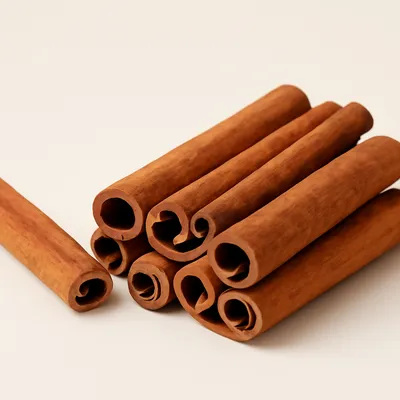


How it's made
7 steps · 40 min
- 140 min
Choose a plump Shaoxing duck matured within the year; pluck, clean, and gut it, remove the wing tips and feet, and hang to drip dry.
- 2720 min
Dry-roast salt (with a trace of saltpetre, if used) and rub it all over the bird, inside and out; stack in a crock and cure in the cold, around five degrees Celsius, for about half a day.
Watch outKeep the cure cold, around five degrees — this is a slow salt-cure, and a warm spot spoils the bird before the salt works in.
- 32880 min
Mix soy sauce with Shaoxing wine, sugar, and spices; steep the duck in this, keeping it submerged, turning once, for a day or two in the cold.
- 430 min
Bring some of the steeping soy with added water to a boil and ladle it repeatedly over the duck until the skin turns an even amber-red; lift and drain.
Watch outLadle the hot soy over the duck again and again until the skin is an even amber-red — patchy basting leaves pale streaks.
- 54320 min
Hang the duck in a cold, dry, well-ventilated spot out of the sun and air-dry for two to three days, until the neck flesh draws tight onto the bone.
Watch outAir-dry in cold, dry wind until the neck flesh draws tight onto the bone — that's the sign the meat has set dense.
- 640 min
To finish, set the duck on a plate, splash over a little Shaoxing wine, and steam over high heat for about forty minutes, until cooked through.
- 715 min
Cool, then chop or slice and arrange as a cold platter; serve cold or just-warm.
Archive tool suggestions — not reviewed
These legacy suggestions have not been evidence-reviewed and are not presented as required tools.


