
Chengdu crescent dumplings with an all-pork filling, served not in broth but dressed in sweet compound soy sauce, garlic, and fragrant red chili oil.






Created in Chengdu in 1893 (the 19th year of the Guangxu reign) by Zhong Xiesen (钟燮森, styled Shaobai 少白). The shop later settled on Litchi Lane (荔枝巷) and hung the sign 'Litchi Lane Zhong Dumplings' in 1931; the dumplings are still also called Litchi Lane red-oil dumplings. In 1995 the name was granted China Time-honored Brand status alongside Long Chao Shou, and in 2010 the craft entered Chengdu's intangible cultural heritage list, later raised to the provincial level in Sichuan.
Crescent dumplings, ten to about fifty grams, with a thin but slightly thick skin and a plump all-pork filling. They arrive dry on the plate, glazed in glossy red oil, not floating in soup. First the sweetness and the heady garlic, then a savory-sweet depth from the compound soy, then a gentle warmth from the chili oil — salty with a clear sweet finish, only mildly hot. The skin has a chew the thin wonton wrapper lacks.
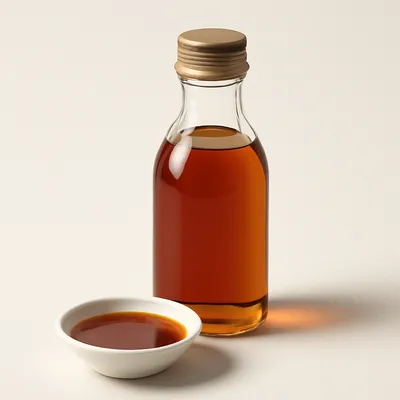
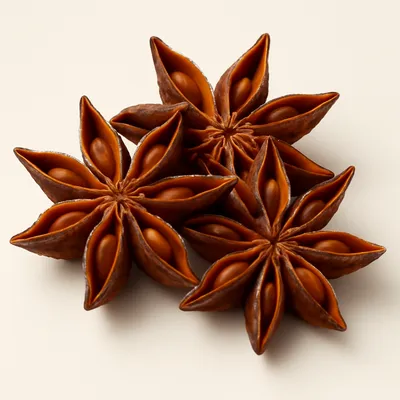
The dish turns on two made-from-scratch sauces. The compound soy (复制酱油) is ordinary soybean soy sauce simmered low with brown sugar and rock sugar (roughly one-to-one to two-to-one) and a spice bundle — star anise, bay leaf, tsaoko, dried tangerine peel, cassia — for twenty-five to forty minutes until it reduces by about a third; the sugars caramelize into a thick, sweet, aromatic syrup, which is what gives the finish its signature sweetness. The red oil is chili powder bloomed with oil heated to around 60 to 70 percent (about 150 to 180°C) then cooled slightly, releasing capsaicin and red pigment without scorching. The skin is rolled a touch thicker than a wonton's so it holds its chew without breaking, and the lean-pork filling carries no soup, so the dressing coats rather than dilutes. Garlic is pounded raw to a paste for its sharp bite.
Variations
The canonical version is all lean pork with no vegetables; some home and shop recipes add a little fat or a touch of ginger-scallion water to the filling for juiciness. The dressing is fixed — compound soy, red oil, garlic paste, sesame oil — but the sweet-to-heat balance varies by shop, some leaning sweeter. The same compound soy and red-oil dressing also defines other Chengdu snacks such as sweet-water noodles (甜水面), garlic white pork (蒜泥白肉), and dan dan noodles.
On the Palate
Where Zhong Dumplings sits in the Chinese flavor cloud
Ingredients
Serves 3

How it's made
7 steps · 50 min
- 135 min
Make the compound soy: simmer soybean soy sauce with brown sugar, rock sugar, star anise, bay leaf, and a strip of cassia over low heat for 25 to 40 minutes until reduced by about a third and syrupy; strain and cool.
Watch outSimmer the compound soy until it's reduced by a third and syrupy — that caramelized sweetness is the signature of the finish; under-reduced it tastes thin and salty.
- 28 min
Make the red oil: heat oil to about 150 to 180°C, let it cool briefly, then pour over chili powder in a heatproof bowl; let settle.
Watch outCool the oil a moment after 150-180C, then pour over the chili — too hot and you scorch the chili black and bitter instead of blooming it red.
- 38 min
Mix the filling: combine lean ground pork with a little soy, sesame oil, salt, and ginger-scallion water, stirring one direction until tacky.
- 435 min
Make the dough: bring plain flour together with cold water into a firm dough, knead smooth, cover and rest 30 minutes; roll into wrappers slightly thicker than wonton skins.
- 515 min
Wrap: place filling in each wrapper and fold into a crescent, sealing the edge.
- 68 min
Boil: drop dumplings into a pot of boiling water, adding a splash of cold water each time it returns to a boil, until they float and the filling is cooked through.
Watch outAdd a splash of cold water each time the pot returns to a boil — it keeps the skins from bursting before the filling cooks through.
- 73 min
Dress and serve: drain the dumplings into a bowl, top with garlic paste, then spoon over compound soy, red oil, and a few drops of sesame oil.
Archive tool suggestions — not reviewed
These legacy suggestions have not been evidence-reviewed and are not presented as required tools.


