
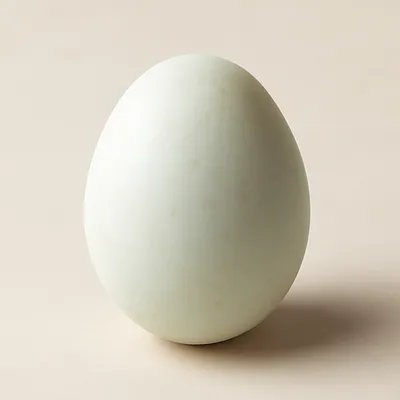
Teochew oyster omelette (hô loh) is a crisp-edged pancake of small oysters set into a sweet-potato-starch slurry and bound with beaten egg, griddle-fried in plenty of lard until the lacy rim shatters and the centre stays soft. Unlike a flour batter, the wet starch turns glassy and translucent as it sets, framing the plump oysters in a crackling lattice. It is fried over high heat with oil deep enough to half-float the cake, finished with duck egg drizzled over the top, and scattered with cilantro and white pepper. At the table it comes drier and crisper than its Fujian and Taiwanese cousins, served with fish sauce and chili sauce to dip rather than a gravy poured over. It is one of the defining street snacks of the Chaoshan region.



Oyster omelette is a Chaoshan folk snack with no single named inventor; by the late Qing, stalls selling it were already common throughout the towns of Chaozhou. In the Teochew dialect the character 烙 simply means to pan-fry, so 蚝烙 is literally 'fried oyster' — the same dish the Minnan coast calls 海蛎煎 and Taiwan calls 蚵仔煎. The shared root shows in speech: Teochew reads the oyster word in 蚝烙 with the same sound the Minnan dialect gives the oyster character 蚵, marking them as one family. The dish's modern fame is tied to the Xitian Lane (西天巷) stalls of Shantou: around 1930 a vendor known as Yang Er (杨二) set up at the mouth of Xitian Lane on Shengping Road, and Hu Jinxing and Yao Laosi soon opened competing stalls nearby; their rivalry refined the technique into the celebrated 'Xitian Lane oyster omelette'. The old shops were exacting about ingredients — small pearl oysters from the Jingzhou and Dahao beds, fine refined sweet-potato starch, lard rendered from the cheek meat of local pigs, and fresh duck egg.
The first thing is the crack: the lacy rim has fried into a brittle, glassy crisp that shatters between the teeth, while the body underneath stays soft and a little chewy from the gelatinized starch. Set into it are the oysters — small, plump, and barely set, each one a warm burst of briny, faintly sweet sea liquor. The duck egg lends a richer, eggier note than chicken egg would, and the lard carries a savory depth through the whole cake. A dab of fish sauce sharpens it with salt and funk, or chili sauce adds heat. Done right it is crisp-edged and tender-centered, never gluey or greasy; over-stir the slurry or skimp on oil and it turns into a soft, sticky mat instead of a crackling pancake.
The dish lives on sweet-potato starch, fierce heat, and deep oil. The starch — 番薯粉, often blended with a portion of fine refined 雪粉 — is mixed with water by hand into a smooth, slightly lumpy slurry rather than a thin batter; this is the opposite of a flour pancake, because the point is the starch's own behavior. The oysters and chopped scallion go into the slurry first, then the mixture is spread thin on a screaming-hot flat griddle (the 'tripod pan', 平鼎). As the starch granules absorb heat they gelatinize, turning from white and opaque to translucent and glassy, and that gel is what crisps at the edges into a brittle lattice while staying tender in the middle. Crucial is the 'half-float fry' (半浮煎): the lard is poured deep enough to reach about halfway up the cake, so the cake rides on the hot oil and browns evenly without sticking, the high heat driving off water and Maillard-browning the rim. Beaten duck egg is drizzled over once the base has set, binding the top and adding richness, and the cake is flipped to crisp both faces. Fish sauce — salted, fermented anchovy liquor full of glutamate — is added for umami at the end rather than the start, and the omelette is served dry so the crust never goes soft.
Variations
Teochew oyster omelette is best understood against its neighbors: the Minnan 海蛎煎 of Xiamen and the Taiwanese 蚵仔煎 use the same oysters and sweet-potato starch but lean softer and gluier, the Taiwanese version typically finished with a sweet-savory starch gravy ladled over the top, while the Teochew version uses proportionally more starch for a crisper, lacier, looser cake and is finished dry with fish sauce and chili sauce to dip. Within Chaoshan, lard and fresh duck egg are the marks of the old-school version; some cooks use chicken egg or cooking oil, which is lighter but less fragrant. The starch blend varies — pure 番薯粉, or a cut with 雪粉 for a finer crisp. Cilantro and white pepper are the standard finish, and a sa cha (沙茶) and fish-sauce dip is a common alternative to chili. The same method scales to a thicker, eggier 'oyster pancake' or a thin, almost cracker-crisp one depending on how much starch and oil the cook commits to.
On the Palate
Where Teochew Oyster Omelette sits in the Chinese flavor cloud
Ride the cake on deep, screaming-hot lard so the sweet-potato starch gelatinizes and crisps into a brittle lace at the rim while staying tender inside — a thin batter or a cool pan gives a soggy, sticking omelette.
Ingredients
Serves 2
How it's made
6 steps · 12 min active + 8 min waiting
- 14 min
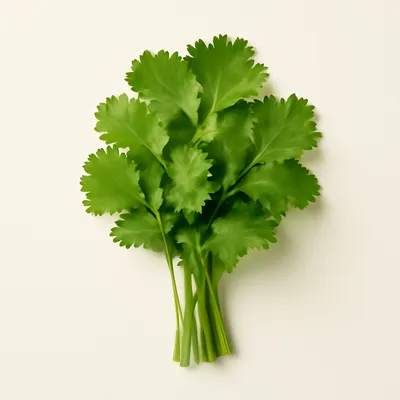
Rinse the small oysters gently in clean water and drain; pick out any bits of shell. Chop the scallion and cilantro.
- 24 min
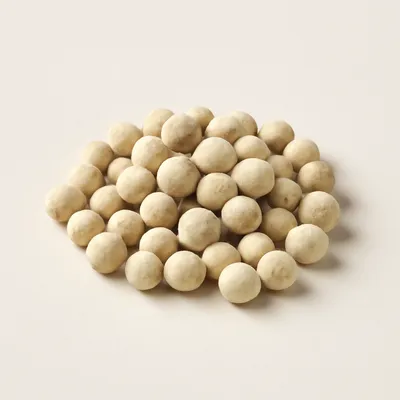
Mix the sweet-potato starch (with a little fine refined starch if using) and water by hand into a smooth, slightly lumpy slurry — thicker than a batter. Stir in the scallion, a splash of fish sauce, and the oysters.
Watch outThe slurry should mound thickly off the spoon with small lumps — if it pours like batter, add more starch.
- 31 min
Heat a flat griddle until very hot and add a generous amount of lard, enough to reach about halfway up the cake.
Watch outThe lard should shimmer and be hot enough that the slurry sizzles the instant it hits.
- 43 min
Spread the oyster-and-slurry mixture thin over the hot fat and fry over high heat, undisturbed, until the base sets and the rim begins to crisp and brown.
Watch outWait for the rim to crisp and brown before you touch it — that browned lace is the whole texture.
- 53 min
Drizzle the beaten duck egg over the top, then flip and fry the other side, adding more lard at the edge so both faces turn golden and lacy-crisp.
- 61 min
Slide onto a plate, scatter with cilantro and white pepper, and serve at once with fish sauce and chili sauce for dipping.


