
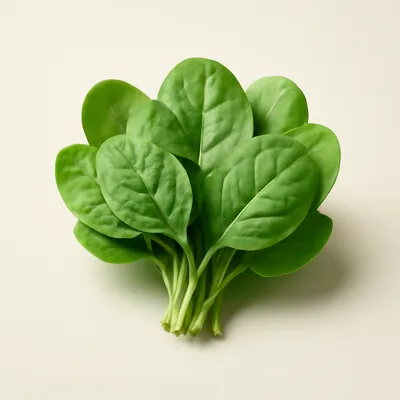
A wheat-noodle main from Taihe County in Fuyang, Anhui, along the Huai River. Salted dough is rested, rolled into ropes, then repeatedly slapped and slammed flat against the board before being pulled into wide, springy ribbons and boiled — the slapping is what gives the dish its name ("board noodles"). The cooked noodles are crowned with a deep-red, mala-leaning braise (lu) built on rendered lamb fat, diced lamb (beef is a common substitute), dried chilies, and twenty-odd whole spices simmered long and slow. Marinated tea-eggs, dried tofu, and a handful of leafy greens such as spinach finish the bowl, prized for its "clear broth, white noodles, red oil, green vegetable" look.


Taihe Board-Slapped Noodles come from Taihe County in Fuyang, Anhui, in the province's Huai-River belt. The name records the technique: the rope of dough is slapped and slammed flat against the board (anban) before being stretched, so locals called it "board noodles." A popular tradition credits the Qing official Xu Guangjin, a Taihe native, with coining the name on a visit home, and some accounts trace the dish to the Eastern Han — both are folklore and unconfirmed by reliable records. In the 1980s-90s, migrant workers from Fuyang carried the original lamb version north to Tangshan, Hebei, where it was reworked with beef to suit local taste and grew hugely popular; it is widely sold there as "Tangshan board noodles," but the dish originated in Taihe, Anhui — it is not Hebei in origin. In November 2018 it was named one of Anhui's Ten Landmark Foods, its craft was listed as county-level intangible cultural heritage in 2015 and recognized at Fuyang city level in 2023, and it has since spread nationwide as a street-food staple.
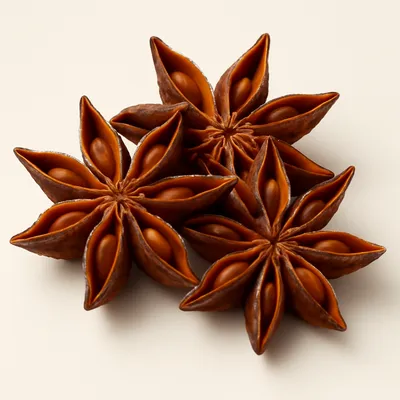
First the look: a translucent red oil pooled over snow-white noodles, dark tea-eggs and tofu, a tangle of green. The noodles are wide, slick, and chewy — slapped thin, they cook with a glassy bite that holds up in the hot lu without going mushy. The braise hits in layers: rendered lamb fat and chili up front, then a deep wash of star anise, cinnamon, Sichuan pepper, and fennel, with a slow numbing-hot tail. A good bowl keeps the broth clear and the oil clean rather than muddy; a bad one is greasy, the noodles slack and pasty, the spice flat and one-note.
The chew comes from salt and rest. Salt tightens and orders the gluten network while the dough rests, so the ropes can take a beating; slapping and slamming on the board stretches and aligns the gluten strands, building the springy, even texture that pulling alone cannot. The lu is an oil-and-fat extraction: dried chilies are fried in hot oil until the fat-soluble capsaicin and red carotenoid pigments leach out, coloring and heating the oil, while the whole spices — star anise, cinnamon, Sichuan pepper, fennel and the rest — release their aromatic oils only into hot fat, not water, which is why it is built on rendered lamb fat rather than a plain broth. Long, low simmering melts the lamb's collagen and fat into the oil; cooled, it sets to a semi-solid that is reheated by the ladle, so each bowl is freshly napped.
Variations
The Taihe original uses lamb (taihe yangrou banmian); the Tangshan and broader northern version, carried by Fuyang migrants, switched to beef and is sold as "Tangshan board noodles" or Anhui beef board noodles. Toppings vary by stall — marinated egg, dried tofu, kelp, quail egg, sausage, or extra greens. Despite the similar-sounding English name, it is unrelated to Malaysian Pan Mee, a clear anchovy-and-pork-broth hand-torn noodle from a different culinary world.
On the Palate
Where Taihe Board-Slapped Noodles sits in the Chinese flavor cloud
Ingredients
Serves 4

How it's made
7 steps · 1 hour 30 min
- 170 min
Make the dough: mix wheat flour with salt and water into a firm dough, knead until smooth, then divide into thumb-thick ropes, coat lightly with sesame oil, and rest covered for at least 1 hour.
Watch outSalt the dough and rest it at least an hour — salt tightens the gluten so the ropes can take a beating without snapping.
- 215 min
Build the spice oil: gently fry dried chilies in oil until deep red and brittle, lift them out and crush; in rendered lamb fat sweat ginger, scallion, and the whole spices (star anise, cinnamon, Sichuan pepper, fennel, bay, etc.) until fragrant.
Watch outFry the dried chilies in oil, not water — the capsaicin and red pigment are fat-soluble, so hot oil is what draws out the color and heat.
- 3110 min
Make the lu: add the diced lamb (or beef) and the crushed chilies, season with soy and salt, then simmer low for 1.5 to 2 hours until the meat is tender and the oil runs clear and red.
- 420 min
Marinate the toppings: simmer eggs and dried tofu in some of the lu or a soy brine until colored through; blanch the leafy greens briefly and set aside.
- 55 min
Slap the noodles: take a rested rope, press flat, then repeatedly slap and slam it against the board while pulling, stretching it into a long, wide, even ribbon.
Watch outSlap and slam the rope against the board while pulling — the beating aligns the gluten strands into that springy, even ribbon; pulling alone won't do it.
- 63 min
Boil: drop the slapped noodles straight into rapidly boiling water and cook until they float and turn springy, 1 to 2 minutes.
- 72 min
Assemble: drain the noodles into a bowl, top with the blanched greens, ladle over the hot lamb lu, and add the egg and tofu; serve at once.
Archive tool suggestions — not reviewed
These legacy suggestions have not been evidence-reviewed and are not presented as required tools.


