
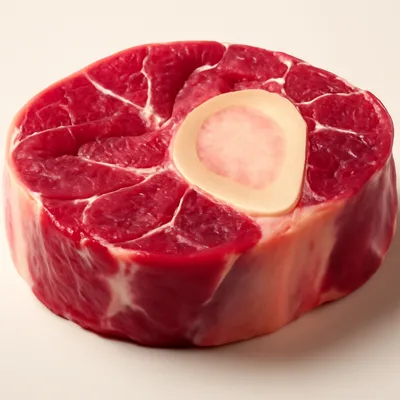
Fresh lean beef from the hind leg of a yellow ox is beaten with two square iron rods into a fine paste, seasoned with fish sauce, salt and a little starch, and worked one direction until it turns sticky and comes to gel; the paste is then squeezed into balls, set in warm water around 70°C and poached through in hot broth. The finished balls are pale and smooth and give a real bounce under the tooth — the springy bite Chaoshan people prize above all. They are eaten as a plain bowl of beef balls in clear beef-bone broth scattered with celery, as the topping on kway teow noodle soup, and in the clear pot of a Chaoshan beef hotpot. Unlike machine-ground balls, the hand-pounded kind are smashed whole so the meat's sinew is beaten but not severed — which is what lets them spring back and snap when you bite.


Hand-pounded beef balls are the signature small eat of Chaoshan (Teochew) in eastern Guangdong, but the form was adapted, not invented, there. By the standard account, the beef ball came from the neighbouring Hakka, whose hill country raised plenty of yellow and water cattle; in the late Qing and early Republic, Hakka peddlers carried shoulder poles through the streets of Chaozhou prefecture hawking bowls of beef-ball soup. Teochew cooks took up the idea and refined it: rather than mince or chop the meat, they pounded it with two special square iron rods, switched to a beef-and-bone broth for poaching, and paired the balls with sand-tea (sa cha) dipping sauce. Some accounts trace the pounding technique further back to dao zhen, a meat-pounding craft recorded in the Western Jin, said to have travelled south with Hakka migration — though that lineage is more tradition than documented fact. The dish gained nationwide fame in 1996, when Stephen Chow's hit film The God of Cookery built its plot around a bouncy beef ball (the comic sa niu wan), whose real-life model was the Shantou-Chaoshan beef ball. In 2021 the craft of the Chaozhou beef ball was listed in Chaozhou's municipal intangible cultural heritage register.
A good ball is pale and smooth, about the size of a large marble. Bite in and it gives a real bounce — it springs back against the tooth, snaps rather than crumbles, and pulls a touch as you chew, the mark of long muscle fibres pounded but not severed. The taste is clean and sweetly beefy, fish sauce sitting just under the meat; nothing is fried or browned, so the flavour stays bright. In a bowl of clear beef-bone broth, scattered with celery and a dab of sand-tea sauce, the ball stays juicy and warm at the centre. A ball that is soft, mealy or dead under the tooth has been over-worked warm, or was never properly pounded.
The bounce is built by hand, and it is mostly protein chemistry. Fresh lean beef from the hind leg is best worked within hours of slaughter, before it stiffens, so its proteins are still supple. Two square iron rods, around 1.5 kilograms each, beat the whole slab up and down for the better part of an hour until it is a fine paste with no visible fibre. Crucially the meat is pounded, not chopped: blunt smashing keeps the muscle fibres long, and long fibres are what give the finished ball its tough, springy snap. Salt — about two percent of the meat's weight — is the active ingredient: it dissolves the muscle's salt-soluble proteins (chiefly myosin) so they unwind and cross-link into a sticky, elastic gel that traps water, the same protein binding that gives a sausage its bite. Cooks call the moment this gel forms qi jiao, the paste turning glossy and tacky. Heat is the enemy throughout: ice water is beaten in and the work is done over ice to hold the paste below about 10°C, because warmth denatures the proteins early and the gel — and the bounce — collapse. The shaped balls are dropped first into warm water around 70°C to set their skin without cracking, then poached gently in hot broth just to cooked through; a hard rolling boil would toughen and pock them.
Variations
The same paste makes more than the plain ball. Beef-tendon balls (niu jin wan) fold chopped tendon into the meat for a chewier bite, and many shops also pound pork or cuttlefish paste the same way. How the balls are eaten varies by bowl: a simple clear-broth bowl of beef balls scattered with celery; as the topping on a bowl of kway teow (flat rice-noodle) soup; or dropped into the clear pot of a Chaoshan beef hotpot alongside the sliced cuts. The dip is almost always sand-tea sauce. Most everyday balls today are machine-ground, faster but never as springy; the hand-pounded ones are prized — and priced — precisely for the bounce only the iron rods give.
On the Palate
Where Teochew Hand-Pounded Beef Balls sits in the Chinese flavor cloud
Ingredients
Serves 4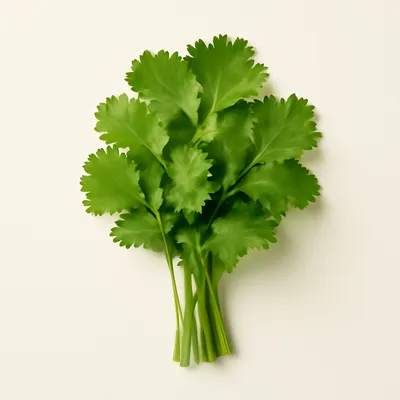
How it's made
7 steps · 1 hour 10 min active + 20 min waiting
- 115 min
Trim 500g of fresh hind-leg beef of all sinew and fat, cut into slices, and chill it well; keep everything cold from here on.
- 245 min
Lay the beef on a thick block and beat it with two square iron rods, up and down, for about 40 to 50 minutes until it becomes a fine, fibre-free paste; work over ice and let the paste stay cold.
Watch outPound the beef, never chop — blunt smashing keeps the muscle fibers long, and long fibers are exactly what give the ball its springy snap; work over ice and keep the paste cold throughout.
- 38 min
Beat in salt (about 2% of the meat) and keep pounding until the paste turns glossy and sticky — the sign that it has come to gel.
Watch outBeat in the salt and keep pounding until the paste turns glossy and sticky — that sheen is the sign the proteins have gelled; without it the balls won't bounce.
- 48 min
Work in fish sauce, a little potato starch and ice water a bit at a time, always stirring one direction, until the paste is springy and tacky.
- 510 min
Bring a pot of water to about 70°C (just trembling, not boiling); squeeze the paste through your fist into balls and drop each into the warm water to set.
Watch outSet the balls in barely-trembling water around 70, not a boil — a hard boil blows them apart; the gentle heat firms them so they hold their shape before poaching.
- 68 min
Once all the balls are shaped and firmed, raise the heat and poach them gently in beef-bone broth until they float and are just cooked through.
- 73 min
Serve the balls in clear beef-bone broth scattered with celery, with a dish of sand-tea sauce for dipping.

