
A pounded-potato paste from Longnan in southern Gansu, especially the Wudu district, where the high-starch local potato is the staple. Whole potatoes are boiled, peeled, and dropped into a stone mortar or wooden trough, then pounded with a heavy wooden mallet until they fuse into a smooth, glossy, faintly yellow elastic mass — far chewier and more cohesive than a soft mash. It is eaten two ways: hot, simmered briefly in soured-pickle broth (浆水) with the pickles and finished with salt and chili oil; or cool, dressed with vinegar, mashed garlic and chili oil. The Wudu version was featured on the food series 《风味人间》.
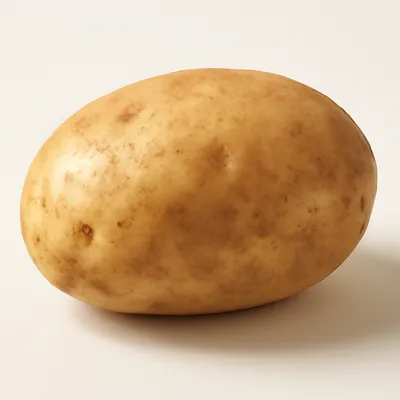




Longnan, tucked into Gansu's humid south where the province meets Sichuan and Shaanxi, grows a potato high in starch and tensile in texture, and the pounded paste is its best-known small eat; no single inventor or date is recorded for it. The Wudu version was shown on the documentary series 《风味人间》, which brought it wider notice. It is not the same dish as the Shaanxi 搅团: that one is a grain paste, cornmeal or other flour stirred into water and worked smooth over heat (hence 搅, 'to stir'), whereas this is built from whole boiled potatoes broken down by pounding — the texture comes from beaten, gelatinized potato starch, not from stirred flour.
The paste comes up smooth and glossy with a real stretch to it — you can pull a spoonful into a soft, springy rope rather than a loose scoop, the chew far closer to a fresh rice cake than to mashed potato. On its own it is mild and faintly sweet with clean potato flavor. Hot in the soured-pickle broth it turns tangy and warming, the 浆水 sour and savory against the bland paste, lit by chili oil; cool with vinegar, garlic and chili it is sharp, pungent and bracing. Done well it is silky and elastic with no lumps; done badly it is grainy and slack from too little pounding, or gluey and heavy from a low-starch potato or too much added water.
Pounding is the whole technique, and it works on starch. Boiling cooks and gelatinizes the potato's starch granules, swelling them with water; pounding the hot, soft potato then ruptures the cells and smears the gelatinized starch into a continuous, sticky matrix, the repeated mechanical work developing a stretchy, cohesive paste the way kneading develops gluten in dough. A high-starch potato is essential — more starch means more of this binding network, which is why the dense Wudu potato is prized and a watery, low-starch one will only ever go grainy or gluey. The paste must be worked hot, while the starch is mobile; let it cool and it sets and tears. In the hot serving, lactic-acid fermentation has already soured the 浆水 broth, whose acidity and savor play against the bland starch; in the cold serving, vinegar and raw garlic do the same job and the firmed paste holds its shape under the dressing.
Variations
The two standard servings are hot in soured-pickle broth (浆水搅团) and cool with a vinegar-garlic-chili dressing; some cooks add pickled chives and garlic sprouts, others a spoon of the cooking water to loosen it. Pounding tools range from a stone mortar with a wooden mallet to a dedicated wooden trough. It belongs to the wider 洋芋 (potato) cooking of Gansu and Dingxi — alongside potato 'flour' noodles and dumplings — and shares only a name, not a method, with the grain-based 搅团 of Shaanxi and other 洋芋搅团 made by stirring potato starch rather than pounding whole potatoes. In Longnan it is everyday food and a marker of local identity.
On the Palate
Where Pounded Potato Paste sits in the Chinese flavor cloud
Ingredients
Serves 4
How it's made
6 steps · 40 min active + 30 min waiting
- 125 min
Choose dense, high-starch potatoes; scrub them and boil whole in their skins until completely soft all the way through.
Watch outBoil the potatoes whole in their skins until soft all the way through — undercooked centers won't pound smooth and leave the paste lumpy.
- 26 min
Drain, peel off the skins while still hot, and tip the soft potatoes into a clean stone mortar or wooden trough.
- 320 min
Pound the hot potato steadily with a heavy wooden mallet, turning and folding the mass, until the lumps disappear and it becomes a smooth, glossy, elastic paste that pulls into strands.
Watch outPound while the potato's still hot, turning and folding, until it's glossy and pulls into strands — work it cold and it goes grainy and gluey instead of stretchy.
- 46 min
For the hot version, bring soured-pickle broth (浆水) to a simmer with its pickled greens, then drop in spoonfuls of the paste and warm through briefly.
- 54 min
Season the hot bowl with salt and a generous spoon of chili oil and serve in the broth with the pickles.
- 65 min
For the cool version, scoop the paste into bowls and let it firm slightly, then dress with aged vinegar, mashed garlic and chili oil before eating.
Archive tool suggestions — not reviewed
These legacy suggestions have not been evidence-reviewed and are not presented as required tools.


