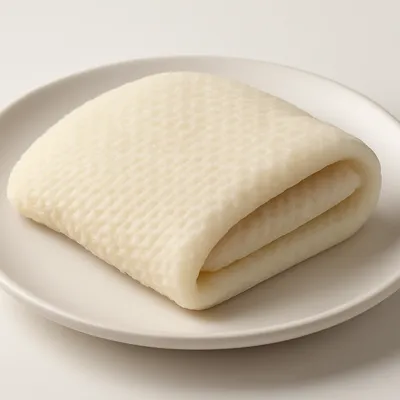
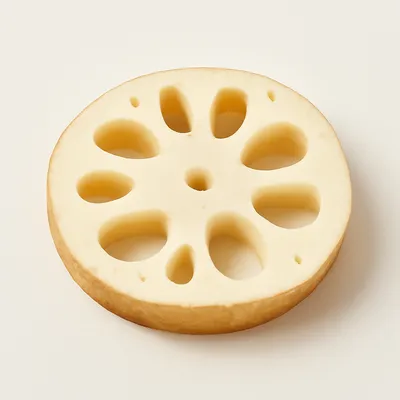
Niuhua Malatang is the founding form of China's malatang tradition, born in Niuhua Town, Wutongqiao District, Leshan, Sichuan — officially recognized as the birthplace of Chinese malatang by the China Food Industry Association in 2025. Beef tripe, lotus root, glass noodles, and other ingredients are threaded on bamboo skewers and cooked to order in a complex broth of Hanyuan Sichuan peppercorn, dried chili, and a dozen warming spices simmered in a clay pot. What sets the Niuhua version apart is its signature three-step method: broth simmering, pre-marinating of proteins, and a personal dipping bowl of hand-pounded ciba chili stirred into rapeseed oil. Each skewer is lifted from the soup and rolled through the dipping bowl before eating, layering two distinct flavor registers in every bite.



Niuhua Town has a salt-production history of more than 2,000 years. In the late Qing dynasty, salt-works laborers and dock porters — surrounded by abundant offal from the oxen used to haul brine — threaded beef tripe and entrails on bamboo skewers and cooked them in spiced broth, giving rise to the earliest form of malatang. The modern format took shape in the 1980s: in 1986, Wang Daming set up a roadside stall with a honeycomb-coal stove and clay pot, simmering broth on a base of marinating oil and aromatics; in 1988, Zhang Yonggui — nicknamed Bapa (the Eighth Aunt) — opened Bapa Malatang, shifted from one communal pot to individual plates with personal dipping dishes, and codified the three-process method (broth simmering, protein marinating, dipping sauce preparation) that defines Niuhua malatang today. The dish was later featured in the CCTV documentary A Bite of China, and in May 2025 the China Food Industry Association officially designated Niuhua as the origin of Chinese malatang; it is also listed as an intangible cultural heritage of Leshan City.
The meal arrives as a wide, deep bowl: bamboo skewers standing upright through broth-soaked tripe, lotus root, and glass noodles, heat rising with the compound fragrance of Sichuan peppercorn and layered spice. The dipping bowl sits alongside — deep-red ciba chili pounded into rapeseed oil with cilantro, scallion, and minced garlic. Each skewer is drawn from the soup, rolled once through the dipping bowl, and eaten: beef tripe snaps with each chew; lotus root is faintly sweet and clean; glass noodles carry the full weight of the broth. Hanyuan peppercorn delivers its signature buzz — a sustained vibration on the lips — before chili heat arrives. This is malatang as a two-register dish: the soup gives one flavor, the dipping bowl another, and both layers together complete the taste.
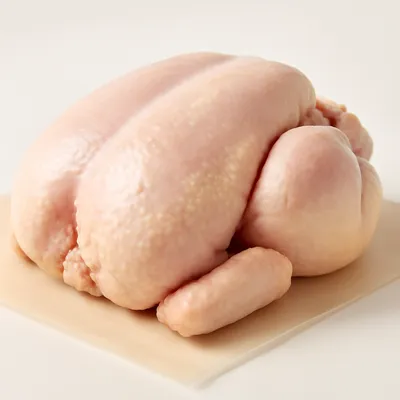
The Niuhua method builds flavor through three processes working in layers. The broth is built on chicken stock enriched with Hanyuan Sichuan peppercorn — whose active compound hydroxy-alpha-sanshool triggers vibration-sensing mechanoreceptors in lip tissue at around 50 Hz, producing a physical buzz rather than a taste — plus dried chili, cassia, star anise, kaempferia, tangerine peel, fermented tofu liquor, and rice wine, all simmered low for an hour until fat-soluble aroma compounds dissolve fully into the stock. Proteins such as tripe are pre-marinated before entering the pot, a distinctive Niuhua step that allows rapid cooking — one to two minutes in boiling broth — while retaining tenderness and achieving full flavor penetration. The ciba chili for the dipping bowl is made by steaming dried chilies soft, pounding them to a paste, and stir-frying until Maillard reactions develop a roasted, smoky aroma; blended into rapeseed oil it delivers layered heat that reads entirely differently from the same chili dissolved in soup, creating the signature two-layer architecture of every Niuhua mouthful.
Variations
Within Niuhua Town, several founding shops have each developed a distinct character: Bapa Malatang remains the most celebrated for its dipping bowl and three-process rigor, featured in A Bite of China; Lüyuan Malatang standardized the method into a modern restaurant format from 1997 onward; Zhouji Malatang blended the traditional tallow base with vegetable oil, emphasizing fresh fragrance over richness. Beyond Niuhua, the dish traveled with migrant workers through the 1990s and split into regional streams: northeastern chains replaced the spiced-chili broth with bone broth enriched with sesame paste, fundamentally redefining 'ma' from the electric buzz of Sichuan peppercorn to the toasted coat of sesame — a divergence many Sichuan purists consider a different dish altogether.
On the Palate
Where Niuhua Malatang sits in the Chinese flavor cloud
Ingredients
Serves 2

How it's made
6 steps · 30 min
- 165 min
Make the broth: combine a chicken carcass with cassia bark, tangerine peel, star anise, Hanyuan Sichuan peppercorn, dried chili, and black pepper in cold water; bring to a boil, skim scum, reduce to low heat and simmer 1 hour; finish with fermented tofu liquor and rice wine, then strain and reserve.
Watch outSimmer the broth low a full hour and skim the scum — a hard boil clouds it, and skimming keeps the soup clean and clear.
- 215 min
Marinate proteins: cut beef tripe into strips; toss with a little salt, Shaoxing wine, and minced ginger; rest 15 minutes. Slice lotus root thinly and keep submerged in cold water. Wash leafy greens; pre-soak glass noodles in cold water until pliable.
- 310 min
Thread skewers: load prepared ingredients onto thin bamboo picks — tripe and premium cuts on red-stained skewers; lotus root, leafy greens, and glass noodles on plain white ones. Group by expected cooking time.
- 410 min
Prepare dipping bowls: combine ciba chili paste (dried chilies steamed soft, pounded to a paste, then stir-fried until aromatic) with rapeseed oil; stir in chopped cilantro, scallion, minced garlic, and a pinch of salt. Set out one bowl per person.
- 515 min
Cook to order: pour broth into a clay pot and hold at a gentle boil over medium-low heat. Lower skewers in batches by cooking time: beef tripe 1-2 minutes; lotus root 2 minutes; leafy greens 30 seconds; glass noodles 1 minute. Keep the broth vigorously simmering throughout.
Watch outDrop skewers by cooking time and keep the broth at a lively simmer — greens need only thirty seconds; leave them and they go to mush.
- 65 min
Serve: transfer cooked skewers to a wide deep bowl; ladle hot broth generously over the top; scatter crushed peanut and cilantro. Set the dipping bowl alongside — draw each skewer from the soup, roll it through the sauce, and eat both layers together.


