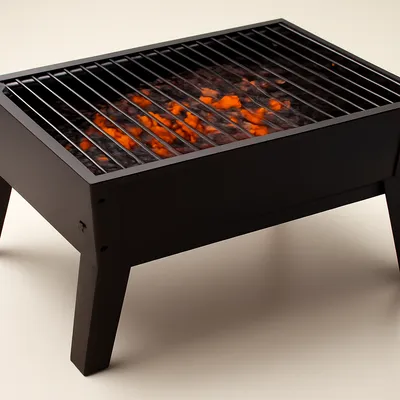
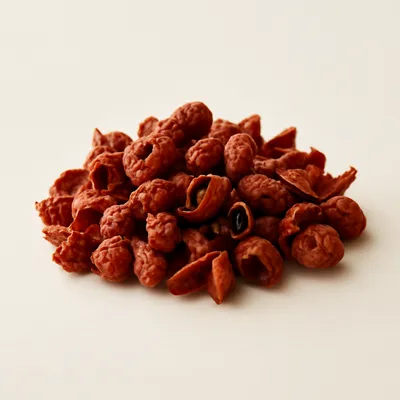
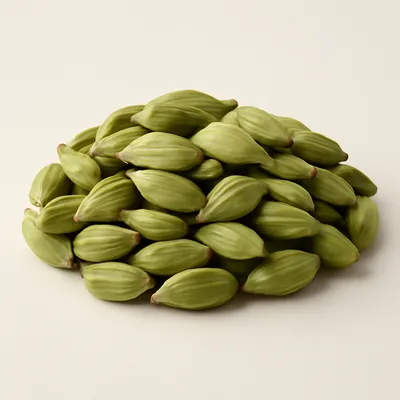
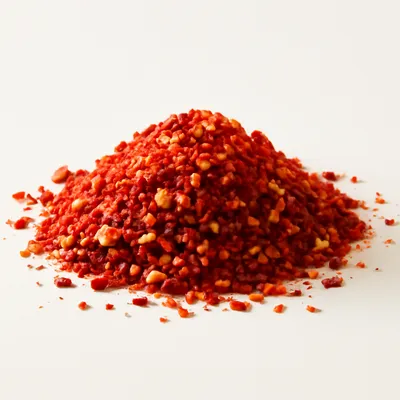
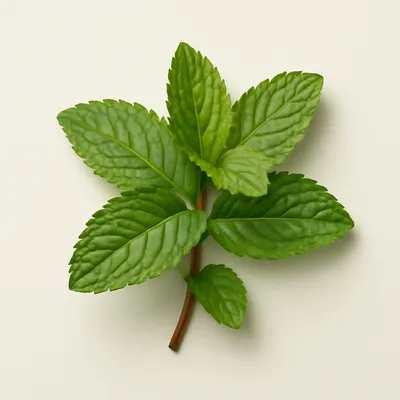
The showpiece feast dish of Yangbi County in Dali: a castrated male lamb of one to two years, seasoned with salt, Sichuan pepper, cardamom, and chili on the outside and stuffed inside its sewn cavity with mint, houttuynia, fennel fronds, fragrant cloud leaves, and a dozen more local herbs. Roasted on a steel spit over charcoal for four to five hours using the Yunnan technique of external roasting with internal steaming—the skin golden and crackling, the interior pull-apart tender and herb-fragrant. Named a fifth-batch Dali State intangible cultural heritage item in 2020.


Roasting whole animals over charcoal is deeply embedded in the Yi ethnic traditions of Yangbi County, where the whole roast lamb has long served as the centerpiece of hospitality and ceremonial feasting. A widely repeated local account holds that Kublai Khan's Mongol troops, encamped at the Stone Gate Pass in the Cangshan foothills during the 1253 campaign to overthrow the Dali Kingdom, left the technique behind when they departed—though this origin legend cannot be corroborated and the practice almost certainly predates that event within Yi communities. What is verifiably documented: the dish today drives significant culinary tourism in Yangbi County and in 2020 was recognized by the Dali Bai Autonomous Prefecture government as a prefectural-level intangible cultural heritage item. Every family guards its specific herb combination as proprietary.
After five hours over charcoal, the skin shatters like lacquerware—thin, brittle, faintly smoky. Beneath it, fat has partially rendered and clings to the meat in thin transparent sheets. The flesh is pull-apart tender, perfumed throughout by the herbal cavity stuffing: houttuynia's sharpness, mint's coolness, fennel's sweetness weaving through the lamb's own deep richness. Served in finger-width strips with soy sauce and chili oil on the side.
Before roasting begins, artisans insert thin iron rods just beneath the skin at multiple points and blow air in while tapping the carcass until the entire skin layer visibly inflates away from the underlying fat. This air gap functions as insulation, slowing surface heat penetration and allowing the thick interior muscles to cook through before the exterior chars. Over four to five hours of charcoal roasting, exterior surface temperatures reach 160–180°C, driving rapid Maillard browning—proteins and reducing sugars react to generate hundreds of volatile flavor compounds and the characteristic gold color. Periodically piercing the skin with bamboo skewers releases accumulated steam pressure and prevents the skin from bursting. Inside the sealed cavity, moisture from the herbal stuffing and muscle tissue converts to steam, maintaining internal temperature at approximately 85–90°C by convection—the 'external roasting, internal steaming' principle that is the defining technical feature of the dish.
Variations
The exact mix of cavity herbs is treated as a family trade secret and varies across households, though mint, houttuynia, and fennel appear universally. Some cooks brush the exterior with local wildflower honey in the final thirty minutes to deepen color and add a faint caramel note. For large banquets, portions of the lamb are sometimes braised separately as an accompanying side dish to extend servings.
On the Palate
Where Yangbi Whole Roasted Lamb sits in the Chinese flavor cloud
Ingredients
Serves 10



How it's made
7 steps · 1 hour 30 min
- 130 min
Select a castrated male lamb of one to two years; after slaughter, remove the head and lower limbs and rinse the carcass thoroughly inside and out
- 215 min
Insert thin iron rods beneath the skin at several points across the carcass and blow air in while tapping firmly until the skin visibly inflates away from the underlying fat across the whole body
Watch outBlow air under the skin until it visibly inflates off the fat all over — that air gap insulates the surface so the thick inside cooks before the outside chars.
- 310 min
Mix salt, ground Sichuan pepper, ground cardamom, and dried chili flakes into a dry rub; apply thoroughly over all exterior surfaces and inside the cavity walls
- 415 min
Fill the abdominal cavity with fresh mint, houttuynia, fennel fronds, fragrant cloud leaves, ginger slices, and any additional local herbs; sew the cavity shut firmly with kitchen twine
- 510 min
Thread a steel spit rod lengthwise through the prepared carcass and secure at both ends; mount over a well-prepared charcoal bed burning at medium heat
- 6270 min
Roast over charcoal with continuous rotation; after approximately one hour, pierce the skin at several spots with bamboo skewers to release steam pressure; continue roasting, venting periodically, for a total of four to five hours until the skin is golden and crackling
Watch outAfter about an hour pierce the skin to vent steam, then keep venting as it roasts four to five hours — trapped steam bursts the skin and it won't crackle.
- 710 min
Test doneness by piercing the thickest part of the thigh with a skewer—juices should run clear; remove from the spit, rest five minutes, then slice into finger-width strips and serve with soy sauce and chili oil
Watch outPierce the thickest part of the thigh — clear juices mean it's done; pink juice means back on the fire.
Archive tool suggestions — not reviewed
These legacy suggestions have not been evidence-reviewed and are not presented as required tools.