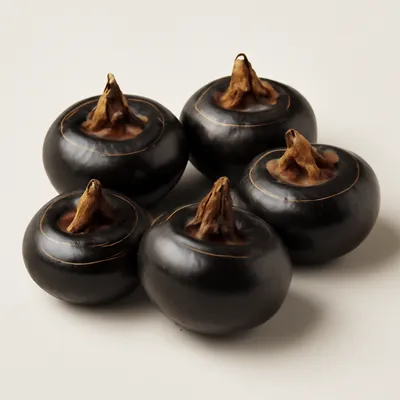
A steamed classic from the Jianghan plain of Hubei and one of the famous "three steamed dishes of Mianyang." Seasoned pork is worked into balls, then rolled in soaked glutinous rice so each grain clings to the surface; steaming swells the rice into a coat of glistening, translucent beads — hence "pearl." Water chestnut or a little shrimp is often folded in for crunch and sweetness. The meatball comes out soft and savory, the rice tender and faintly sticky, with nothing fried and nothing heavy.




Mianyang — today's Xiantao, Hubei — sits amid lakes and paddies, and its people are devoted enough to steamed cooking that the area calls itself the home of steamed dishes, with a saying that no guest is properly received without the steamer. Pearl meatballs belong to the local trio of "three steams" (蒸 meat, fish, and vegetable). A popular folk tale ties the dish to the late-Yuan warlord Chen Youliang, whose wife is said to have steamed rice-dusted meat, fish, and lotus root to feed his troops before a victory near Jiujiang — a legend, retold widely, rather than documented fact. The dish has since been a fixture of Jianghan banquet tables.
The surface is the show: a meatball furred all over with plump, separate grains of rice, each one swollen clear and pearly, standing slightly on end. Bite through and the rice gives a gentle chew before the soft, juicy pork beneath; water chestnut snaps with cool sweetness in the middle. It is mild and savory, clean rather than rich, the steaming having kept everything tender and light. Good ones hold their shape but eat soft all the way through.
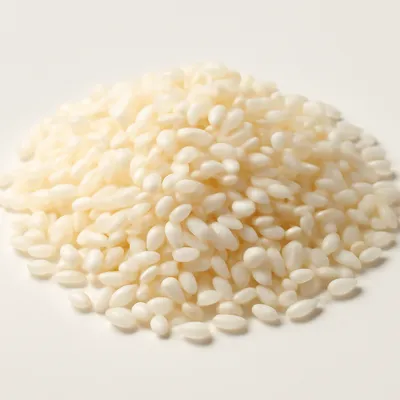
Steaming and the rice coat carry the dish. The glutinous rice is soaked for hours so it can swell fully in the steamer rather than staying chalky; drained well, it sticks to the meat without clumping. The pork is chopped, not over-ground, and stirred in one direction with water until it "pulls strings" — this aeration is what makes the cooked meatball springy and juicy rather than dense. Rolled balls are steamed over high heat just until the rice turns clear and the meat sets, around fifteen to twenty minutes; longer dries the pork. The grains are left whole and separate so they fan out like a coat, which is why the dish is also called "straw-cape balls."
Variations
Pork is standard, often at a three-fat-to-seven-lean ratio; some cooks fold in chopped water chestnut, dried shrimp, or fish paste. The rice may be tinted or left plain white. As one of the "three steams," it sits alongside rice-flour-steamed meat and steamed fish, and at banquets is frequently served as part of that trio.
On the Palate
Where Pearl Meatballs sits in the Chinese flavor cloud
Ingredients
Serves 4
How it's made
8 steps · 30 min active + 2 hours waiting
- 1120 min
Soak glutinous rice in cold water for at least two hours; drain thoroughly and spread to dry.
Watch outDrain the soaked rice thoroughly and let the surface dry — wet grains clump instead of sticking on separate and standing apart like pearls.
- 210 min
Chop the pork and stir in one direction with seasonings and water until it turns sticky and aerated.
Watch outStir the pork one direction until it turns sticky and aerated — this springiness is what keeps the cooked ball juicy instead of dense.
- 33 min
Fold in finely diced water chestnut for crunch.
- 43 min
Wet your hands and roll the mixture into even balls.
- 55 min
Roll each ball in the soaked rice, pressing lightly so the grains adhere all over and stand separate.
- 63 min
Arrange the balls in a steamer basket, spaced apart so the rice can swell.
- 718 min
Steam over high heat for fifteen to twenty minutes until the rice is translucent and the pork is set.
Watch outSteam over high heat just until the rice turns translucent and the meat sets, fifteen to twenty minutes — longer and the pork dries out.
- 81 min
Serve hot, garnished with a little scallion or cilantro.
Archive tool suggestions — not reviewed
These legacy suggestions have not been evidence-reviewed and are not presented as required tools.


