
A Chaoshan street snack of Puning tofu cut into triangles and deep-fried until the surface puffs into a thin golden crust while the inside stays soft, hot, and custardy. Puning tofu is a tender square-pressed soybean curd from Puning in eastern Guangdong, set with gypsum and worked with a little sweet-potato or arrowroot starch so the skin turns supple and the interior silky — softer and more fragile than ordinary tofu, which is exactly what makes the puffed, near-hollow fried cube possible. The pieces come out of the oil blistered and crisp-shelled, to be eaten at once, dunked in a dip of raw chopped Chinese chives stirred into cool salted water. Some stalls also offer sha cha sauce or chili sauce alongside. Sold by the tofu stand at street carts and open-air food stalls, it is meant to be eaten piping hot, the crisp shell, molten bean-sweet interior, and cold sharp chive-brine all hitting at once.
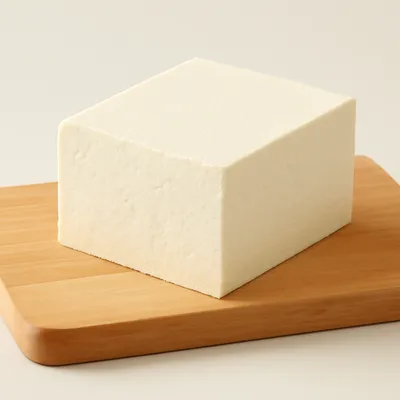
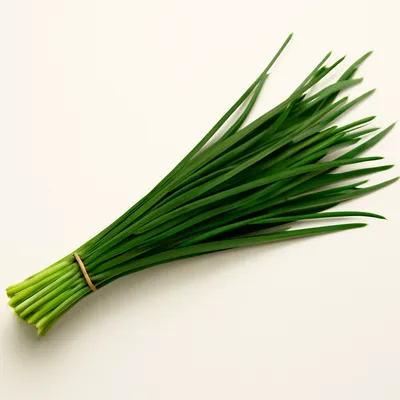



A folk snack of the Chaoshan region of eastern Guangdong, built on Puning tofu (普宁豆干 / 普宁豆腐), a square-pressed tender curd from Puning. By tradition the craft began in Guangnan village of Liaoyuan town in Puning in the early Ming dynasty — some six centuries ago — and spread from there across Puning and the wider Chaoshan area; local lore even credits its founding to a Ming-era geomancer, though this is legend rather than record. What sets Puning tofu apart is the addition of sweet-potato or arrowroot starch to the soybean curd, plus the prized local hill-spring water, giving a curd described as 'golden outside, silver within' (外金内银), supple-skinned and silky-soft. Frying it is the everyday treatment at street stalls; the chopped-chive salt-water dip is the orthodox Chaoshan accompaniment. It is a recognized Puning specialty rather than a dish with a single inventor or a documented founding date.
You bite through a thin, crackly golden shell into an interior that is soft, hot, and almost custard-like — silky enough that locals reach for milk as the comparison. The shell shatters and gives way; the inside is barely set, faintly sweet with the clean taste of the bean, and so hot from the fryer it nearly steams. Dunked in the chive salt-water, each piece picks up a cold, sharp, grassy hit of raw allium and a clean wash of salt that cuts straight through the fried richness. The contrast is the whole point: crisp against molten, fried-rich against cool-and-saline. Eaten the moment it leaves the oil it is at its best; let it sit and the shell softens, the inside cools and firms, and the magic is gone.
Deep-frying is the whole technique, and the puffed shell is steam-leavening at work. As the cool tofu hits hot oil, the water just under its surface flashes to steam; the outer layer of bean protein sets fast into a thin skin, and the trapped steam inflates it from within, so the cube puffs and the shell can blister up nearly hollow while the moist interior stays soft and custardy. Oil temperature is the skill: around 60–70% heat (roughly 180–200℃) is the window — too cool and the surface never sets, so the tofu drinks oil and turns greasy and limp with no puff; too hot and the shell scorches or the cube bursts before the inside is hot through. Because Puning tofu is unusually soft and fragile, the piece must be left to fry undisturbed on one face until the shell firms and colors before it is turned — moved too early, it simply breaks apart. The chive salt-water dip is the counterweight: raw chopped Chinese chives carry pungent sulfur compounds whose sharp, grassy bite, lifted by plain salt and cool water, slices through the fried oil and frames the soybean sweetness, the cold dip against the molten core sharpening both.
Variations
The dip is where stalls diverge: the orthodox Chaoshan version is raw chopped Chinese chives in cool salted water, but many add minced garlic or diced red chili to the brine, and some hand over a saucer of sha cha sauce or chili sauce instead. The tofu itself splits two ways — the softer, more custardy Puning tender tofu (普宁豆腐), and the firmer Puning dried bean curd (普宁豆干), which fries to a chewier, less molten cube. Cut shapes vary from triangles to thick squares to fingers. Beyond plain frying, the same Puning tofu turns up braised, in soups, or stuffed, but the deep-fried piece with chive salt-water is the canonical street form.
On the Palate
Where Puning Fried Tofu sits in the Chinese flavor cloud
Ingredients
Serves 3

How it's made
6 steps · 10 min
- 13 min
Cut the Puning tofu (or firm tofu) into thick triangles or squares, blot the surfaces dry with kitchen paper, and let any excess surface water evaporate.
- 23 min
Make the dip: finely chop the Chinese chives, stir into a bowl with the salt and a splash of cool boiled water until the salt dissolves; add minced garlic or diced red chili if you like.
- 33 min
Heat a generous depth of oil to about 60–70% heat (roughly 180–200℃) — hot enough that a piece sizzles briskly on contact.
Watch outGet the oil to about six or seven parts hot — a chopstick tip should throw up a brisk fizz of fine bubbles; too cool and the tofu drinks oil and never puffs, too hot and the shell scorches before the inside sets.
- 44 min
Slide in the tofu over high heat and leave it undisturbed; do not move it even if it sticks, or the soft curd will break, until the underside sets and colors pale gold.
Watch outOnce it's in, leave it dead still — even if it grabs the pan, don't nudge it, or the tender curd tears; wait until the underside sets firm and colors pale gold.
- 53 min
Once the shell is firm, gently turn the pieces and fry until puffed and golden-crisp all over; lift out and drain on kitchen paper.
Watch outTurn and it should balloon up hollow with a crisp golden crust; a piece that stays flat and heavy means the oil was too cool to flash the surface steam.
- 61 min
Serve at once, piping hot, with the chive salt-water dip alongside (and sha cha or chili sauce if offered).


