
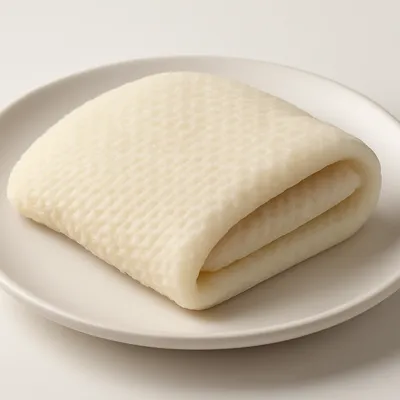
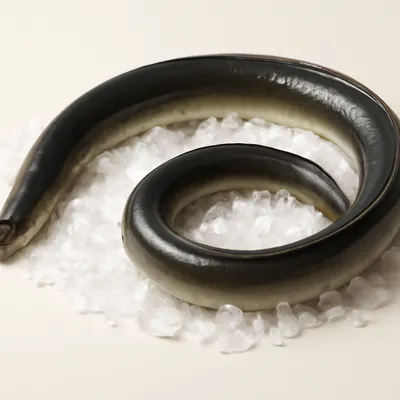
A hearty Chongqing river-and-rough (江湖菜) dish built on slabs of set blood curd — most often duck blood (鸭血), historically pig blood — simmered in a brick-red, beef-tallow má-là broth and loaded with a mix of offal and toppings: honeycomb tripe (毛肚), aorta cartilage (黄喉), luncheon meat (午餐肉), eel (黄鳝), and usually duck intestine, with bean sprouts or lettuce stem underneath. Everything is cooked in one wide bowl, the sturdier items first and the blood and crisp offal last so nothing toughens, then the whole surface is buried under dried chilies and Sichuan peppercorns and finished with a ladle of smoking oil poured over the top. It arrives red, oily, numbing and fiercely hot, eaten communally over rice. The name pairs 毛 (Chongqing slang for rough-and-ready, also a nod to the 毛肚 in the bowl) with 血旺, the local word for blood curd.




Maoxuewang is a modern Chongqing 江湖菜 (rough-and-ready folk cooking), commonly said to come from the river-port town of Ciqikou (磁器口) in Shapingba; its exact originator and date are not firmly recorded. The most widely repeated account places it in the 1940s, when a butcher surnamed Wang at the Ciqikou wharf sold off his leftover offal cheaply, and his wife (王张氏) ran a stall stewing the scraps — pig lungs, intestines, head meat and bones — into a peppered broth, then began dropping in fresh pig blood curd (猪血旺) and found it grew more tender the longer it cooked; eaten freshly scalded, the dish was named 毛血旺. The Chinese and other references agree on the Ciqikou setting and the Wang stall but do not all fix the decade, so 1940s is best treated as the common telling rather than a documented date. 毛 is Chongqing dialect for coarse or careless and also alludes to the 毛肚 (tripe) in the bowl; 旺 in 血旺 is generally taken as a phonetic-loan writing of the old word 衁 ('blood', recorded in the Shuowen Jiezi and the Zuo Zhuan), later written 旺 for its auspicious 'flourishing' sense. The classic stall used pig blood; the modern restaurant standard switched to duck blood, which sets into a smoother, more tender curd.
The blood curd is the heart of it: cut in thick slabs, it should slide off the spoon trembling, custard-smooth and barely holding shape, soaked through with the red broth, never grainy or rubbery. Around it the textures play off each other — honeycomb tripe and aorta snap and squeak when blanched just right, eel and intestine are slippery, luncheon meat soft and salty, bean sprouts crunchy at the bottom. The má-là hits in order: the Sichuan peppercorn numbs and tingles on the lips first, then the chili heat rolls up behind it, all carried on a heavy, fragrant beef-tallow oil that keeps the bowl scalding to the last bite. Done badly, the blood is grainy and pocked with holes from boiling too hard, the tripe goes from crisp to chewy-tough, and the broth is just blunt heat with no aroma.
Two things make or break the bowl: how the blood sets, and how the má-là is released. Animal blood is mostly water held by proteins (chiefly the globin of hemoglobin plus serum albumins); when it is heated the proteins denature and cross-link into a gel — the blood curd — trapping water in a soft set, which is why a curd cooked gently stays smooth and silky. Boil it hard and the gel contracts and weeps, going grainy and full of holes; duck blood is preferred over pig blood because it sets into a finer, more tender curd that holds up better in the simmer. So the blood goes in toward the end and is kept just below a rolling boil, while crisp offal like tripe and aorta is only flashed through for a few seconds — long enough to firm but not to toughen the collagen into rubber. The flavor base is beef tallow (牛油): the má-là actives — capsaicin from the chilies and hydroxy-alpha-sanshool (the sanshool amides) from Sichuan peppercorn — are fat-soluble, and the hot tallow dissolves and carries them. The signature finish is the oil pour: smoking oil hit the dried chilies and peppercorns laid over the top at the end blooms their fat-soluble aromatics on contact in a way warm broth alone cannot, and the tallow layer also caps the bowl so it stays fiercely hot.
Variations
Maoxuewang sits in the same red-oil Chongqing-Sichuan family as the 水煮 dishes — 水煮鱼 (water-boiled fish), 水煮肉片 (boiled pork in chili oil) and 水煮牛肉 (the Zigong original) — but where those poach a single sliced protein, Maoxuewang is defined by its wide, mixed load of blood curd plus offal and toppings. The mix is flexible: beyond the usual duck blood, tripe, aorta, luncheon meat and eel, cooks add duck intestine, ox tripe, ham sausage, loach, squid, wood-ear, enoki and more, with bean sprouts, lettuce stem or napa underneath. The blood is duck in most restaurants but pig in the old Ciqikou style and in some regions; a milder clear-broth (清汤) version exists alongside the dominant má-là one, and household recipes often build the broth from a packet of beef-tallow hotpot base.
On the Palate
Where Maoxuewang sits in the Chinese flavor cloud
Ingredients
Serves 4



How it's made
8 steps · 35 min active + 5 min waiting
- 14 min
Cut duck blood curd into thick slabs and blanch briefly in gently simmering water to firm it and rinse off scum; lift out and set aside.
- 28 min
Clean and prep the toppings: cut tripe and aorta into strips, slice luncheon meat, cut eel into sections, and rinse the duck intestine.
- 32 min
Blanch the bean sprouts (and lettuce stem) for a few seconds and lay them in the bottom of a wide serving bowl.
- 48 min
In a wok, melt beef tallow and fry ginger, garlic, doubanjiang and a packet of beef-tallow hotpot base over low heat until red and fragrant, then add stock and bring to a simmer; skim out the solids.
Watch outFry the doubanjiang and hotpot base low and slow until the oil runs red and fragrant — low heat coaxes out the color; too hot and it burns and turns bitter.
- 53 min
Add the sturdier items first — eel, then luncheon meat, intestine and aorta — and simmer a minute or two; season with soy, salt and pepper.
- 63 min
Slide in the blood curd and keep the broth just below a boil so it sets smooth; finally add the tripe and cook only a few seconds.
Watch outSlide in the blood curd and hold the broth just below a boil so it sets smooth and silky — a hard boil makes the curd contract, weep, and go grainy and full of holes.
- 72 min
Pour everything over the bean sprouts in the bowl, mounding the solids, and scatter dried chili segments, Sichuan peppercorns and minced garlic over the top.
- 82 min
Heat fresh oil until smoking and pour it over the chilies and peppercorns so they sizzle and release their aroma; finish with chopped scallion or coriander.
Watch outPour smoking-hot oil over the chilies and Sichuan pepper on top so they sizzle and release their aroma — the hot-oil hit is what wakes the má-là.


