
A Shanghai benbang vegetarian staple, eaten cold and a fixture of the Lunar New Year's Eve table. 烤麸 — spongy fermented wheat gluten — is torn into chunks and braised dark and sweet in soy sauce and sugar together with four companion ingredients: bamboo shoots, dried daylily buds, wood-ear fungus, and peanuts (these four are the 'four joys' of the name; soaked shiitake is a common addition too). The gluten soaks up the seasoning like a sponge; the dish is oily, sweet, and savory, finished with a little sesame oil and served at room temperature or chilled, often as a cold opener. It keeps for days and tastes better the next day.


Four-joy braised gluten is a homely Shanghai dish whose name turns on a pun. By the usual account it began as 四鲜烤麸 — 'four-fresh gluten,' for its four added ingredients — and because 鲜 (fresh) and 喜 (joy) sound alike in the Shanghai dialect, the luckier-sounding 四喜 ('four joys') took over; 'four' rather than 'five' was chosen partly because the number 五 carries an unlucky association with 无 (nothing), which would make for an inauspicious name. The dish is loaded with auspicious meaning for the New Year: 烤麸 puns on 靠夫, a wish for the family's men to prosper, and peanuts (花生) carry the wish for many children. 烤麸 itself is an old Jiangnan ingredient — raw wheat gluten leavened with yeast and then steamed into a porous, sponge-like block — and the dish is a cold standby of Shanghai home cooking.
Each chunk of gluten is dark on the outside and riddled with holes, and it gives a soft, springy chew that bursts with the sweet-savory braising liquid it has drunk up. Around it the four companions add contrast: bamboo shoots crisp-tender, daylily buds slippery and faintly chewy, wood-ear crunchy, peanuts firm and nutty (the commonly added shiitake meaty and fragrant). The whole thing is glossy with oil and frankly sweet, the soy giving a dark savory backbone, all served cool so the flavors are settled and rounded. Done well, the gluten is saturated to the center and never dry; done badly, it is bland and spongy because it was not pre-cooked and squeezed, or so heavy with sugar and oil it cloys.
The trick is getting seasoning into the gluten, which is almost pure protein full of air pockets. 烤麸 is made by washing the starch out of a wheat dough to leave the gluten, leavening that with yeast, and steaming it so it sets into a firm, honeycombed sponge. Before braising it is torn (not cut) into rough chunks so the open, ragged faces drink in more liquid, then blanched or boiled briefly and squeezed dry to expel the water and raw smell — this empties the sponge so it can refill with sauce. Many cooks first shallow-fry the squeezed chunks until the surface is golden and lightly firmed, which deepens the flavor and keeps the pieces from falling apart. The braise is built on soy sauce for color and salt and a generous amount of sugar, reduced over heat so it concentrates and is forced into the porous gluten; the dried mushrooms and daylily are soaked first and their soaking water often goes into the braise for extra savor. Cooling lets the seasoning equalize through the sponge, which is why the dish is eaten cold and improves overnight.
Variations
What goes in beyond the gluten is not fixed; besides the classic daylily, wood-ear, shiitake, and peanut, cooks add soaked dried day-lily, golden needles, bamboo shoots, gingko nuts, or even edamame, and the exact 'four' shift from family to family. Some skip the deep-frying for a lighter, un-fried version (本帮 cooks debate whether the gluten should be fried at all), while others brown it hard for a richer result. The seasoning runs from markedly sweet Shanghai-style to a more restrained soy braise. The same gluten is also cooked plain as 红烧烤麸 without the four companions, and it appears in the wider family of Jiangnan 素什锦 (mixed vegetable) cold dishes.
On the Palate
Where Four-Joy Braised Gluten sits in the Chinese flavor cloud
Ingredients
Serves 4
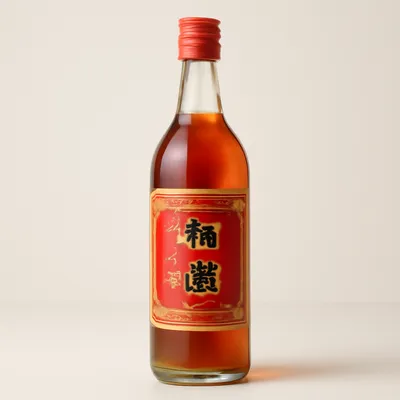
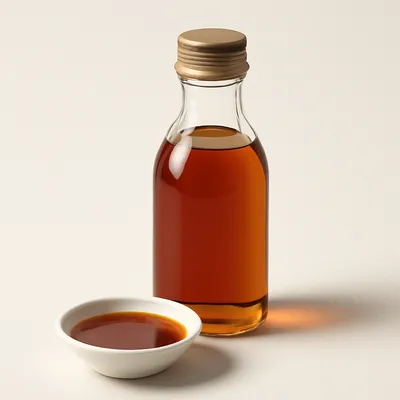
How it's made
6 steps · 45 min
- 130 min
Soak the wood-ear, shiitake, and dried daylily buds in warm water until soft; reserve the mushroom soaking water. Boil the peanuts until just tender.
- 26 min
Tear the gluten into rough bite-size chunks, blanch briefly in boiling water, then squeeze them dry to expel the water and raw smell.
Watch outTear the gluten into ragged chunks, then squeeze them dry — emptying the sponge is what lets it drink the sauce back in.
- 38 min
Shallow-fry the squeezed gluten chunks in oil until the surfaces turn golden and lightly firm, then lift out.
- 43 min
In the same pan, briefly fry the shiitake, wood-ear, and daylily to release their aroma.
- 515 min
Return the gluten, add soy sauce, sugar, Shaoxing wine, the peanuts, and the reserved mushroom water, and braise over medium heat until the gluten has drunk up the sauce.
Watch outBraise until the gluten has drunk up nearly all the sauce — that's when the flavor has soaked into the honeycomb, not just coated it.
- 65 min
Raise the heat to reduce the liquid to a glossy coat, finish with a little sesame oil, then cool to room temperature or chill before serving.

