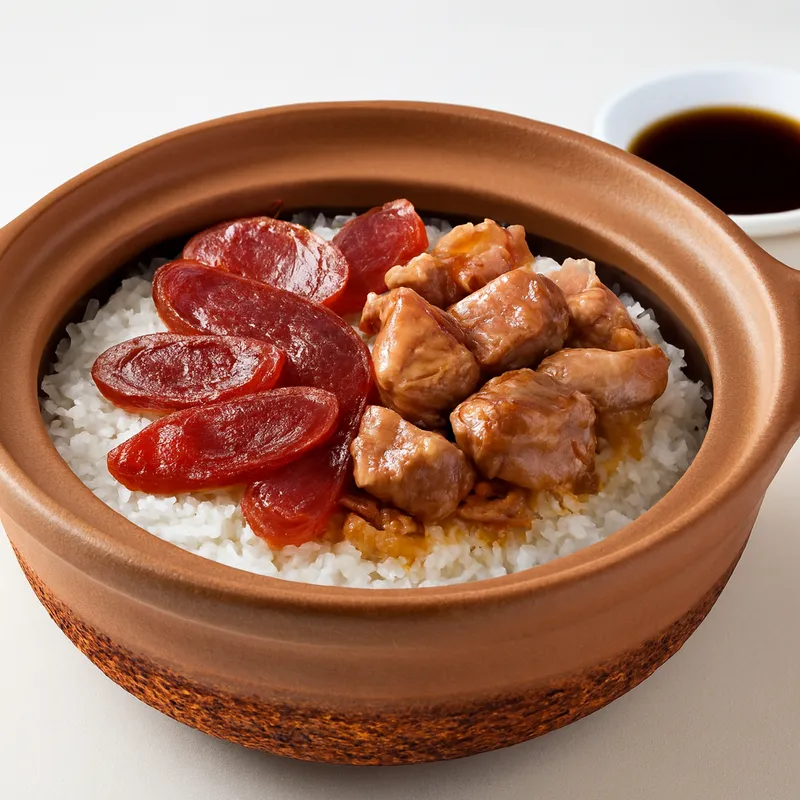
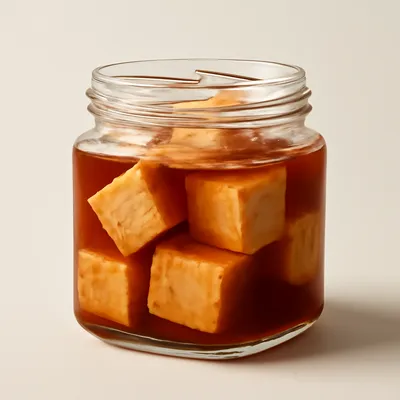
A Manchu ancestral feast dish of silky poached pork belly and iron-dark blood sausage — the ceremonial centrepiece of the Northeast sha-zhu-cai pig-slaughter banquet. Served with fermented bean curd, chive flower paste and pickled sauerkraut, it is the dish most inseparable from the Shenyang table.






Rooted in Manchu shamanic tradition, where the boiled pig offered at communal rites was called 'fu rou' (blessed meat, i.e. white pork) and the blood-filled intestines were shared by the clan after the ceremony. Around 1874 (late Tongzhi reign), Na Jiyou, a Manchu of the Plain White Banner, refined this custom into a commercial restaurant dish at his Jixingyuan eatery in Shenyang. The establishment was renamed Najiaguan in 1912 and became Shenyang's defining Manchu dining hall; it relocated to Beijing during the Japanese occupation and returned to Shenyang in 1957.
Pork belly falls apart at the chopstick with barely a tug — the fat is milky, the lean is tender, never dry. Blood sausage yields a slight springy resistance before releasing a dense, iron-tinged meatiness. A swipe of creamy fermented bean curd cuts the richness; a pinch of sauerkraut's acidity resets the palate for the next bite.
Pork belly is poached at a gentle simmer (about 85 °C rather than a rolling boil): sustained moderate heat hydrolyses collagen in the connective tissue into gelatin, leaving the fat translucent and the lean silky without waterlogging. Blood sausage is made from fresh pig blood mixed with salt and Sichuan pepper, poured into cleaned intestine casing; around 75 °C, haemoglobin and plasma proteins denature and cross-link into a porous honeycomb matrix that traps juices and seasoning, giving the sausage its characteristic tender-yet-springy bite.
Variations
Sauerkraut braised version (酸菜炖白肉血肠): sauerkraut, tofu cubes and glass noodles added to the pot for a one-pot winter braise — the most common household form across all Northeast provinces. Tiger-stripe white pork (抽刀虎皮白肉): the poached belly is flame-seared until the skin blisters into tiger stripes, then sliced and briefly re-simmered — a Najiaguan signature cut with deeper colour and chewier skin.
On the Palate
Where White Pork and Blood Sausage sits in the Chinese flavor cloud
Ingredients
Serves 4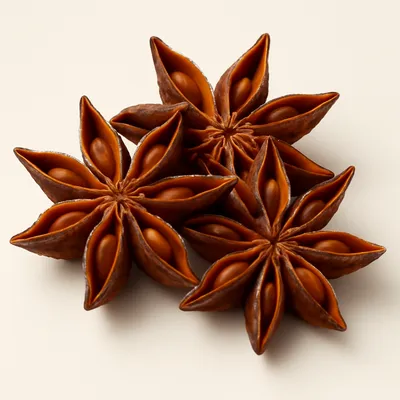

How it's made
7 steps · 30 min
- 110 min
Rinse intestine casings with coarse salt, rubbing inside and out, then flush with cold water repeatedly until odour-free; tie one end tightly with string.
- 210 min
Season fresh pig blood with fine salt, white pepper and a pinch of five-spice; stir to combine, then pour into the prepared casing, leaving 10% of headspace; tie off the open end.
- 325 min
Lower blood sausages into a pot of cold water over medium heat; bring slowly to 80–85 °C and hold there for 20–25 minutes, pricking any air bubbles that form with a needle; do not let the water reach a rolling boil.
Watch outPoach the blood sausage at 80–85 degrees, never a rolling boil — hard boiling bursts the casing and the blood turns porous and holey.
- 410 min
Transfer sausages to cold water immediately to stop cooking and firm the texture; cool completely, then slice into 1 cm rounds.
- 580 min
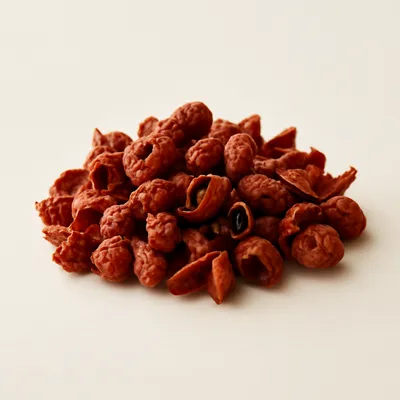
Place whole pork belly (about 600 g) in a fresh pot with cold water, scallion, ginger, star anise and Sichuan pepper; bring to a boil, skim foam thoroughly, then reduce to a gentle simmer for 60–80 minutes until chopstick-tender.
Watch outSimmer the pork belly gently until chopstick-tender — a violent boil makes the fat cloudy and the lean waterlogged, not silky.
- 610 min
Remove pork belly, cool slightly, then slice thinly against the grain (about 3 mm); arrange on a large plate alternating with blood sausage slices.
- 75 min
Prepare the condiment trio: mash fermented bean curd into a smooth paste; mix chive flower paste with a little sesame oil; place shredded sauerkraut in a side dish. Serve immediately.
Archive tool suggestions — not reviewed
These legacy suggestions have not been evidence-reviewed and are not presented as required tools.