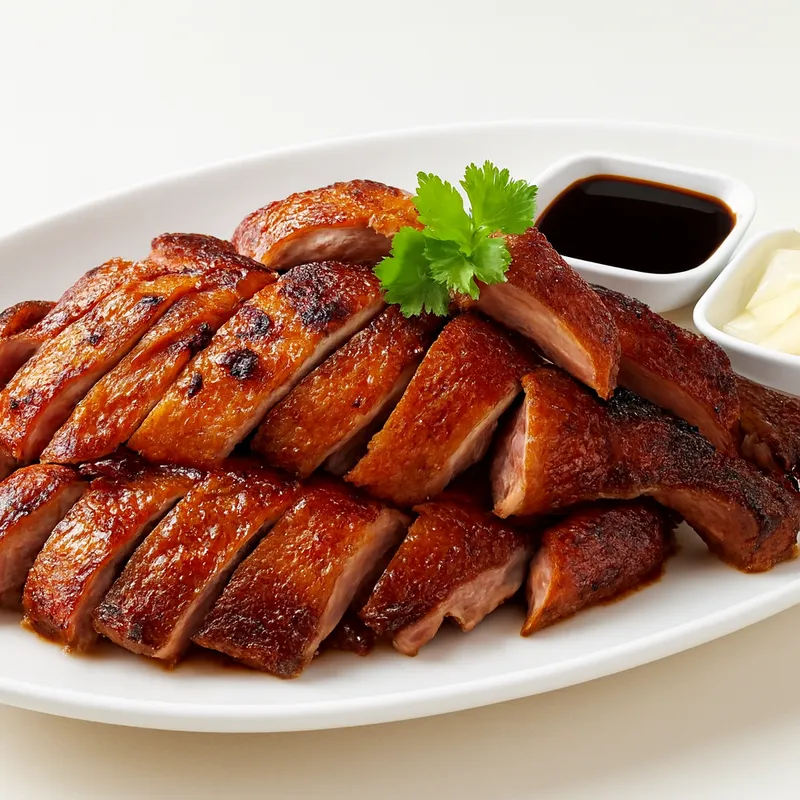
Changde clay-pot stew is the signature dining genre of Changde in northwest Hunan, by the Dongting Lake and Yuan River. Ingredients—fish, meat, tofu, vegetables—are seared and seasoned in the wok, then transferred to a small earthenware pot (钵子) set over a tabletop brazier of glowing charcoal and carried to the table still bubbling. Diners eat straight from the live fire, cooked-and-eaten communally, the pot kept simmering through the whole meal. The flavor is rustic and fiery: fresh chili and ginger up front, the deep funk of fermented black beans, and the unmistakable lift of perilla. A blackfish pot (财鱼钵) is the classic worked example, but the same fire-and-clay method carries beef, tofu, offal, or cured pork.




Clay-pot stewing is one of the oldest forms of Chinese cooking, the cook-and-eat-from-one-vessel "ding-feast" culture (鼎食文化) of the Neolithic and Bronze ages, when food was simmered in a clay or bronze vessel and eaten communally around it. Changde sits in this lineage: the nearby Chengtoushan site—among the earliest walled settlements in China—has yielded clay cauldrons and ding tripods some five thousand years old, regarded locally as ancestors of today's pot. The genre as eaten now took shape at Changde's river wharves and market stalls, where boatmen and porters were served cheap, hot, long-simmering food off a live brazier. The region's damp, cold winters made a pot kept bubbling on the fire both practical and beloved—captured in the local saying "I'd not be the emperor's son-in-law, just give me a stew-pot brazier going gurgle-gurgle" (不愿朝中为驸马,只要炖钵炉子咕咕嘎). Today it is recognized as Changde intangible cultural heritage with named bearers, and counts among Hunan's best-known regional foodways.
The pot reaches you still gurgling, a skin of red oil shivering on the surface and steam rising off the charcoal. The first taste is bright and hot—fresh chili and ginger, the salty depth of black bean—then the perilla blooms across it, herbal and faintly minty, cutting the fish clean. Blackfish stays firm and springy under the long simmer; tofu drinks the broth and turns silken. As the meal runs on and the liquid cooks down, the flavor shifts from soupy-fresh to a concentrated, dry-savory richness clinging to whatever is left in the pot. It is meant to be eaten slowly, off the live fire, never let go cold.
The defining trait is the live, tableside fire: the earthenware pot and its clay-and-charcoal brazier hold heat slowly and evenly, so the broth stays at a gentle, unbroken simmer through the meal—"big fire to bring it up, low fire to draw it out." Ingredients are seared in the wok first so the chili paste and black bean fry until fragrant (raw, they taste flat) and the meat or fish takes on a savory edge, then the pot finishes the job at low heat, the long simmer breaking down connective tissue while the clay's slow radiance keeps the surface from boiling dry too fast. Perilla is not decoration: its volatile oil is rich in perillaldehyde, the compound behind its strong aroma, which masks the muddy off-notes of river fish while lifting the whole pot. As the liquid reduces over the brazier, dissolved protein and rendered fat concentrate, swinging the dish from fresh-savory toward the prized "dry fragrance" of the final bites.
Variations
The method is a whole family of pots, not one recipe: blackfish (财鱼钵) and assorted fish-offal pots are Changde favorites, alongside beef pot, tofu pot, offal and tripe pots, free-range chicken pot, and cured-meat pots built on local smoked pork. Pickled chili or sour vegetables are added for a tangy-hot version; bamboo shoots, lotus root, or radish go in to soak up the broth. Some cooks finish with a heavier hand of chili and oil for the bolder market-stall style; others keep a clearer, fresher broth. Charcoal braziers are increasingly swapped for alcohol or induction burners at the table, but the clay pot and the eat-from-the-fire ritual are kept.
On the Palate
Where Changde Clay-Pot Stew sits in the Chinese flavor cloud
Ingredients
Serves 4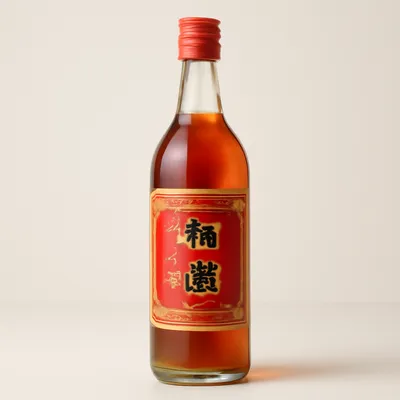



How it's made
8 steps · 25 min
- 115 min
Clean a blackfish (or your chosen meat) and cut into thick chunks; lightly salt and let stand. Smash ginger and garlic, slice fresh chili, and rinse a handful of perilla leaves.
- 23 min
Heat a wok with oil until nearly smoking; sear the fish chunks briefly on both sides until the surface sets, then lift out.
Watch outSear the fish only until the surface firms and sets, then lift it — this crust holds the chunks together so they don't break up in the long simmer.
- 32 min
Lower the heat and fry the ginger, garlic, fresh chili, and fermented black beans in the oil until fragrant and the oil turns red.
Watch outFry the black beans and chili low and slow until the oil runs red and smells fragrant — raw, they taste flat, and this red oil is the flavor base.
- 42 min
Return the fish, splash in Shaoxing wine and a little soy sauce, and toss to coat with the fragrant paste.
- 54 min
Add hot water to just cover, bring to a hard boil, and season with salt; let it bubble a few minutes to draw out the flavor.
- 62 min
Transfer everything to a preheated earthenware pot, settle it over the tabletop brazier, and bring to the table still simmering.
- 71 min
Tuck the perilla leaves in over the top, lower the brazier to a gentle simmer, and let diners eat straight from the live fire.
Watch outOnce at the table, drop the brazier to a whisper of a simmer — a rolling boil cooks it dry too fast; you want an unbroken gentle bubble all through the meal.
- 830 min
Keep the pot bubbling through the meal, adding stock or vegetables as it cooks down, until the broth concentrates to its final dry fragrance.