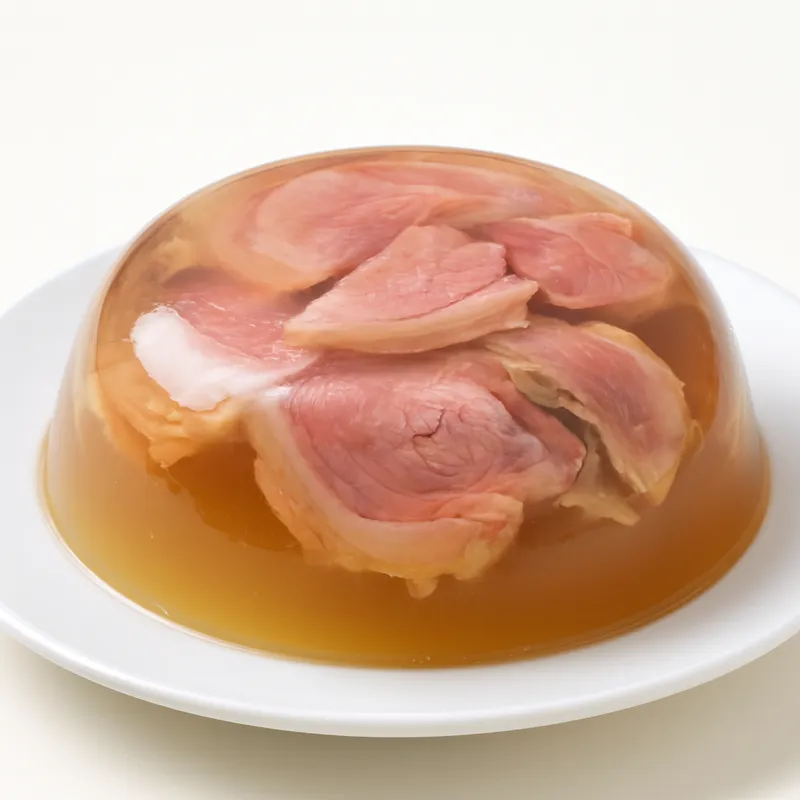
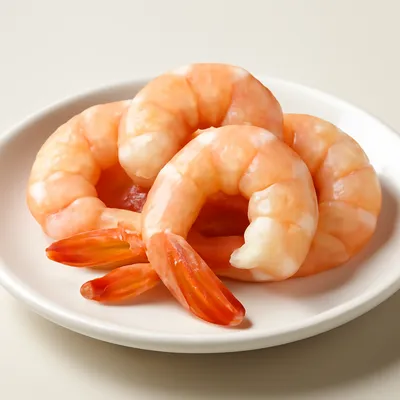
Thin rice vermicelli stir-fried over a high flame with yellow curry powder, char siu, shrimp, scrambled egg, onion, bell pepper and bean sprouts, the strands dyed gold and kept separate and springy. Despite the name it is a Hong Kong cha chaan teng staple, not a Singaporean dish.




Singapore noodles are a Hong Kong invention, not a Singaporean dish — they originated in the city's cha chaan teng and Cantonese kitchens around the 1950s and are largely unknown in Singapore itself. The defining ingredient is curry powder: the British carried their pre-blended, turmeric-yellow curry powder into their colonies, and Cantonese cooks dusted it over fried rice vermicelli for a foreign, faintly sweet note. The name is a flavor-of-elsewhere label rather than a place of origin — the same convention that named Hong Kong's 'Swiss' soy-sauce chicken wings (瑞士鸡翼). Several origin tales circulate and none can be tied to a name or date, so the precise inventor is unverifiable. Carried out along Cantonese emigration, the dish became a fixture of Chinatown menus across the West.
The first thing is the color — a warm marigold gold clinging evenly to every strand — and the smell of curry off the hot plate. The vermicelli is dry-tossed, not saucy: each thread separate, springy, with a faint chew, never a wet clump. The flavor is curry-warm and gently sweet rather than fiery, lifted by onion and the smoky-sweet edge of char siu, the shrimp snapping, the egg soft in ribbons, the bean sprouts and pepper still crisp. Behind it is wok hei, the just-scorched breath of a screaming-hot wok. Get it wrong and it shows: pale and patchy where the curry never bloomed, or a soggy, broken, clumped mass where the vermicelli was under-loosened and the wok ran too cool.
Two technical hinges decide a plate of Singapore noodles: how the curry powder gives color and aroma, and how the vermicelli stays dry and separate. Curry powder must be bloomed in oil first. Its gold is curcumin from turmeric, and curcumin — like most of the aroma molecules in the blend — is fat-soluble, not water-soluble; hit the powder with hot oil and those pigments and volatile compounds dissolve into the fat, which then coats every strand evenly, whereas powder dumped onto wet noodles or a watery pan stays gritty, dull and raw-tasting. The window is narrow: turmeric and ground spices scorch around 160°C and turn acrid, so the powder is bloomed fast off the fiercest heat, often slackened first with a little water or stock into a paste. The vermicelli is the second hinge. These are thin rice threads, almost pure starch; boiling over-gelatinizes them into a sticky mass, so they are soaked in warm water just until pliable — around 20 minutes — then drained bone-dry, to finish cooking in the wok by absorbing oil and seasoning rather than water. A wok run hot enough drives off surface moisture on contact and keeps the strands separate, and the brief licks of flame over the rim deliver wok hei, the faintly charred aroma from fat and aromatics combusting at the metal's edge. Constant fast tossing keeps any one strand from sitting long enough to stick or break. Too cool a wok, too wet a noodle or too slow a hand, and the threads stew in their own moisture, gum together and snap into short broken bits.
Variations
The Hong Kong template — yellow curry powder, char siu, shrimp, egg, onion, pepper and sprouts — is only one node. Cooks split it dry from wet: the classic gon chau ('dry-fried') keeps the strands loose and barely moist, while a saucier version binds them with stock or oyster sauce. Char siu is the default protein but is freely swapped or stacked with barbecued pork, ham, chicken or extra shrimp, and a vegetarian version drops the meat and egg, leaning on onion, pepper, sprouts and chives. The Malaysian cousins run a different seasoning — ketchup and chili paste over curry powder — for a reddish, sweet-sour-spicy plate. It sits in a wider family of Cantonese fried rice-noodle plates, alongside the wider-noodle gon chau ngau ho (dry-fried beef chow fun) and everyday Fujian and Cantonese fried vermicelli. In Western Chinese-takeout kitchens it has hardened into a menu fixture, often heavier on curry powder and chili and sweeter than the Hong Kong original.
On the Palate
Where Singapore Noodles sits in the Chinese flavor cloud
Ingredients
Serves 3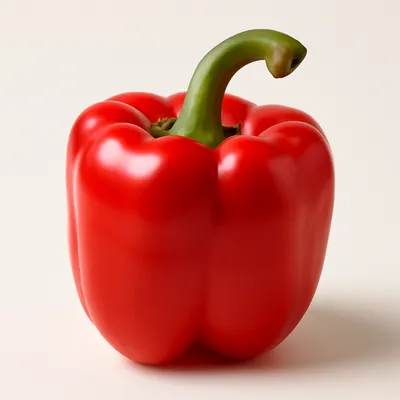


How it's made
6 steps · 20 min active + 15 min waiting
- 120 min
Soak the thin rice vermicelli in warm water until just pliable, about 20 minutes, then drain very thoroughly and loosen the strands by hand so none are stuck.
Watch outSoak the vermicelli only until just pliable, then drain bone-dry and shake the strands loose — wet or clumped noodles turn the finished plate gummy and pale.
- 26 min
Slacken the curry powder with a splash of water or stock into a loose paste, and have char siu sliced, shrimp peeled, egg beaten, and onion, bell pepper, green onion and bean sprouts ready — this dish moves fast.
- 34 min
Heat the wok until smoking, add oil, scramble the egg just until set and lift it out; then sear the shrimp until they curl and pull them too.
- 43 min
In a little more oil, bloom the curry-powder paste off the fiercest heat for a few seconds until fragrant and the oil turns gold, then add onion and pepper and toss until fragrant but still crisp.
Watch outBloom the curry paste in the oil off the fiercest heat for just seconds, until it smells fragrant and the oil turns gold — the spice scorches in a blink and goes bitter and dull.
- 54 min
Add the drained vermicelli and toss constantly over high heat, lifting and folding so every strand picks up the curry oil and stays separate; season with light soy and a little sesame oil.
Watch outToss over high heat non-stop, lifting and folding, so every strand picks up the curry oil and stays separate — stop moving and they clump and stick.
- 62 min
Return the char siu, shrimp and egg, add the bean sprouts and green onion, and toss hard for a final flash over the hottest flame to pick up wok hei, then plate at once.