Da-jiu-jia is the signature stir-fried 饵块 (pressed rice cake) of Tengchong in far-western Yunnan, near the Burmese border; the dish's everyday name 炒饵块 says plainly what it is. Local 饵块 — steamed rice that is pounded into a dense, springy paste and pressed into cakes — is sliced into thin diamond-shaped pieces and stir-fried over high heat with shredded Xuanwei ham, beaten egg, tomato, leafy greens and pickled mustard, seasoned with the local 糟辣 chilli and a finish of chives. It comes out savory and faintly sour, the rice slices soft and chewy and just lightly browned at the edges. It is eaten as a hearty meal in its own right and is counted among Yunnan's best-known dishes.




Da-jiu-jia is the local Tengchong name for stir-fried 饵块, and the dish takes its colourful name from a legend rather than a documented event. As the story is told, when Ming loyalist forces and the Southern Ming Yongli Emperor (永历帝, Zhu Youlang) were driven west into Yunnan in the mid-seventeenth century, the cold and famished party stopped in the Tengchong area, where a farm household stir-fried what it had — rice cake, ham, egg and greens — and the emperor, restored by the meal, is said to have exclaimed that it had 「救了朕的大驾」 (saved the imperial person), giving the dish its name. Reference works such as Chinese Wikipedia present this with hedging language (有人声称, 'some claim'), and the tale should be taken as folklore; what is documented is that 饵块 is a long-established rice food of western Yunnan and that stir-fried 饵块 is the everyday dish behind the name.
The rice slices are the heart of it — soft and pleasantly chewy, just caught and lightly browned at the edges by the hot wok, never gummy in the middle or fried hard. Around them the egg goes silky, the ham brings concentrated salt and savor, the tomato melts into a light gravy that coats the slices, and the pickled mustard cuts through with a clean sourness. Done well it is glossy and loose, each diamond of rice cake separate and tender; done badly the slices clump into a sticky mass, or they are stir-fried until tough and dry, and the dish tastes flat without the sour-pickle lift.
饵块 is what makes the dish behave the way it does. Rice is steamed and then pounded while hot, which works the starch into a dense, elastic paste; pressed into cakes and cooled, it sets firm, and sliced thin it holds its shape in the wok instead of falling apart like loose rice. Over high heat the slices soften back as their starch takes up the pan's moisture and fat, while the surfaces in contact with the hot metal brown lightly, giving the chewy-with-crisp-edge texture. The wok must stay hot and the slices kept moving: too low and they stick and clump, too long and the starch dries out and toughens. The egg is best half-set first so it stays silky, the ham is added early to render its salt and aroma into the oil, and the tomato and a splash of stock loosen everything into a light coating sauce.
Variations
The same rice cake is cut two ways across Tengchong and neighbouring Baoshan: pressed cakes sliced into pieces for stir-fries like 大救驾, or rolled and cut into noodle-like ribbons for 饵丝, served in soup as 腾冲饵丝. Stir-fried 饵块 is made all over Yunnan and Kunming with regional fillings — pork, leek, bean sprouts, pickled greens — but the Tengchong 大救驾 is distinguished by its Xuanwei ham, tomato and 糟辣 seasoning. Sweet and plain versions exist too: 饵块 is grilled over charcoal and spread with sweet or savoury sauces as a street snack (烧饵块), or simply boiled. The closely related 粑粑丝 and the Dali-style 饵丝 are siblings in the same rice-cake family.
On the Palate
Where Tengchong Stir-Fried Rice Cake sits in the Chinese flavor cloud
Ingredients
Serves 2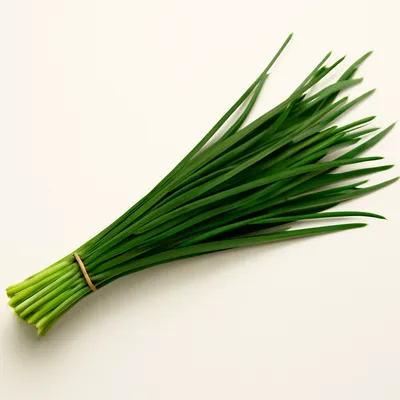


How it's made
7 steps · 20 min active + 5 min waiting
- 16 min
Slice the pressed rice cake (饵块) into thin diamond-shaped pieces about 3-4 mm thick; if firm, soak briefly in warm water and drain so they soften and separate.
- 25 min
Cut Xuanwei ham into fine shreds, beat the eggs, chop the tomato, and ready the leafy greens, pickled mustard and chives.
- 32 min
Heat oil in a wok until hot, pour in the beaten egg and stir until just half-set and silky, then lift out and reserve.
Watch outPour the egg into hot oil and lift it out while it's just half-set and silky — cook it dry now and it turns tough after it goes back in.
- 43 min
Add a little more oil and stir-fry the shredded ham until it releases its salt and aroma into the oil, then add the tomato and the 糟辣 chilli and fry to a light pulp.
- 53 min
Turn the heat to high, add the rice-cake slices and stir-fry quickly, keeping them moving so they brown lightly at the edges without sticking; splash in a little stock or water to loosen.
Watch outKeep the wok hot and the slices moving so they brown at the edges without sticking or clumping — a splash of stock loosens them if they grab.
- 62 min
Return the egg, add the greens and pickled mustard, season with light soy sauce, salt and a pinch of pepper, and toss until everything is glossy and combined.
- 71 min
Scatter over the chives, give a final toss, and serve hot.