
Short-neck clams stir-fried hard and fast with garlic, dried chili, ginger and chili bean paste, tossed until every shell pops open and drinks up the sauce. It is a staple of the coastal night-market and open-air food stall, ordered with cold beer and eaten with the fingers. Guangxi's coast, around Beihai, runs it heavy on garlic. A popular street offshoot is clam vermicelli (hua-jia fen), the same clams ladled over slippery mung-bean noodles in their own briny-spicy broth.
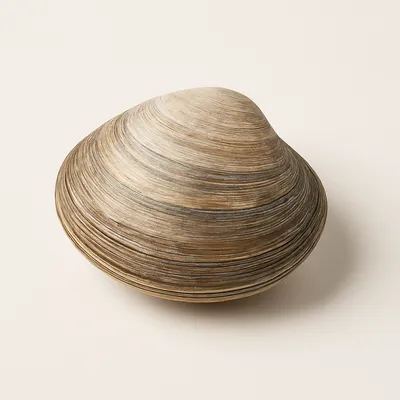





Stir-fried clams are not a single-origin dish but a coastal night-market and food-stall standard found wherever cheap shellfish lands — Guangdong, Fujian, Hainan, and the Guangxi coast around Beihai. As a contemporary street food it rides the late-night dapaidang and seafood-stall culture: a wok-hot plate of clams in chili and garlic, cooked to order in minutes and shared over drinks. The garlic-and-chili stir-fry is the most common treatment; on Guangxi's beach-town stalls clam vermicelli — the clams served over mung-bean glass noodles — is sold as a quick one-bowl version of the same flavor.
The shells come to the table half-open, each one cupping a plump clam and a spoonful of the spiced broth it released. You pinch a shell, tip the briny-hot juice into your mouth, then suck out the clam — sweet, tender, faintly chewy. The garlic is the loud note, the dried chili a clean back-of-throat heat, the clams' own seawater saltiness underneath it all. Done right the meat is barely set and juicy; cooked a minute too long it shrinks and turns rubbery.
Clams must be purged before cooking: left in lightly salted water for half an hour, they filter out the sand and grit trapped in the shell. The stir-fry is built on speed and high heat — the wok is screaming hot, the aromatics fried fast, then the clams go in and the lid goes on for barely a minute. The shells open by themselves as the muscle that holds them shut cooks and releases; that opening is the doneness signal, and any clam still shut after the rest have opened is discarded as dead. The clams release their own salty liquor as they open, which becomes the sauce, so the dish needs little added salt. Pulling them off the heat the moment they gape is the whole skill: the meat is at its plump, juicy peak and seconds from going tough.
Variations
Garlic-and-chili (suan-rong la-chao) is the default; some cooks add a spoon of chili bean paste or fermented black beans for depth, others fresh basil or perilla; a milder version skips the chili for a clear garlic-white-wine style closer to the Cantonese treatment. The Guangxi street offshoot is clam vermicelli (hua-jia fen) — the clams and their broth poured over mung-bean glass noodles. The same fast-wok method is used for other small shellfish such as razor clams and surf clams.
On the Palate
Where Chao Hua Jia sits in the Chinese flavor cloud
Ingredients
Serves 2

How it's made
5 steps · 10 min active + 30 min waiting
- 130 min
Purge the clams: soak in lightly salted water for about 30 minutes so they spit out sand, then rinse and drain.
Watch outPurge until the water stays clear — clams still spitting grit will crunch sand into the finished dish.
- 23 min
Mince garlic and ginger, slice scallion whites, and cut dried chili into segments.
- 32 min
Heat a wok until smoking, add oil, and fry the garlic, ginger, dried chili and a spoon of chili bean paste until fragrant.
Watch outThe wok must be smoking before the aromatics go in — a cool wok stews the garlic instead of searing that instant fragrance.
- 42 min
Tip in the drained clams, toss over high heat, add a splash of cooking wine, cover, and steam-fry for about a minute until the shells open.
Watch outPull them the moment the shells gape open, about a minute — any longer and the meat shrinks tough and rubbery.
- 51 min
Toss in scallion greens, season lightly, discard any clam still shut, and serve at once (for clam vermicelli, ladle clams and broth over soaked glass noodles).


