
Egg-and-flour noodles, pre-fried into a curled cake then rehydrated in stock — an 18th–19th-century Yangzhou-associated invention often credited as the ancestor of instant ramen.



Attributed to the household of Yi Bingshou (伊秉绶, 1754-1815), a Qing-dynasty scholar-official and calligrapher from Ninghua, Fujian, who served as prefect of Huizhou then Yangzhou, and whose family cook (a man surnamed Mai, originally from Kaifeng) is said to have developed pre-fried egg noodles for storage and quick reheating. The technique — boil, dry, deep-fry, rehydrate in stock — is structurally identical to modern instant ramen, which Momofuku Ando patented in 1958. Most food historians trace the lineage from Yi Fu Mian through Cantonese cha chaan teng versions and Japanese Chinese-restaurant adaptations.
Yi Bingshou's household kitchen, late 1700s — boil, dry, deep-fry, rehydrate. Structurally identical to instant ramen, which Momofuku Ando patented in 1958, 150 years later.
The first bite tells you it's not a normal noodle — there's a faint crisp memory in the curl, a slight resistance the broth hasn't quite softened away. The egg makes the strand richer and yellower; the alkali gives it the bounce. Stock is clean chicken with white pepper, never thick. The rule: if the noodles fall limp before you finish the bowl, the frying went too long.
Frying is the load-bearing step, and it does two things at once. Heat at 170°C boils off the residual moisture from the strand interior, leaving micropores throughout the noodle — when the cake hits hot stock later, those pores rehydrate in 90 seconds, much faster than any unfried noodle. The frying also locks the noodle's curl through starch gelatinization, which is why you can stack and store the cakes without crushing them. Skip the pre-boil and the strand fries unevenly; skip the dry, and you have a kitchen fire.
Variations
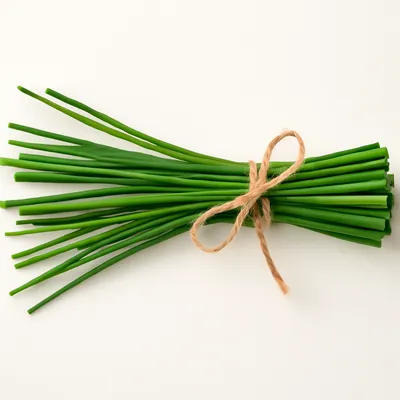
Cantonese banquet style serves it with shiitake and yellow chives in a clean chicken stock; Hong Kong birthday-noodle version (yī miàn) is the long-life dish at full-month parties; Singaporean ee-fu mee runs darker with crab roe.
On the Palate
Where Yi Fu Mian sits in the Chinese flavor cloud
Ingredients
Serves 2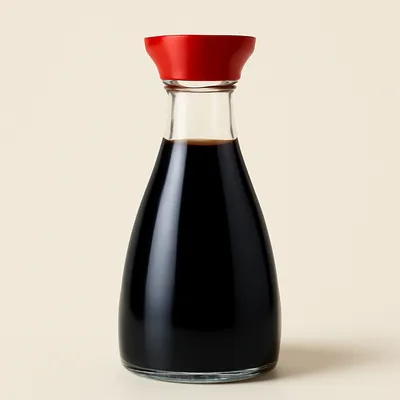

How it's made
5 steps · 25 min
- 112 min
Make egg dough: 250g high-gluten flour, 4 large eggs (no water), 3g salt, 1 tsp alkaline water. Knead 10 minutes — dough is yellow and stiff. Rest covered 30 minutes.
Watch outKnead until the egg dough is deep yellow and stiff enough to resist your knuckle — soft dough won't hold the noodle's curl through frying.
- 28 min
Roll dough through a pasta machine to 1.5mm thick, then cut into 2mm-wide noodles. Coil 80g portions into loose nests, pressing gently so they hold.
- 33 min
Boil noodles 60 seconds — just to set. Drain, rinse cold, pat dry thoroughly. Wet noodles will spit oil violently in the next step.
Watch outPat the boiled noodles bone-dry before they meet oil — any surface water makes the oil spit and spatter violently.
- 45 min
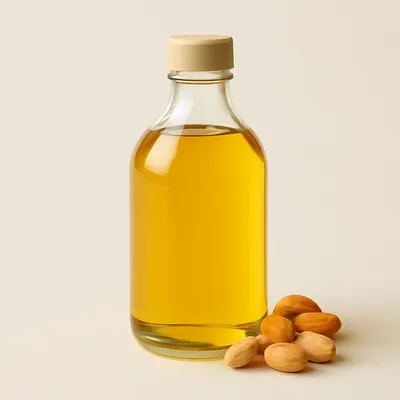
Heat 600ml peanut oil to 170°C. Lower the noodle nest in with a spider — it puffs and curls in 40 seconds. Lift, drain on rack. The cake is now shelf-stable for weeks; this is the trick.
Watch outHold 170 degrees and lift the nest when it puffs and goes pale gold in about 40 seconds — darker means the pores scorch and the cake turns bitter.
- 55 min
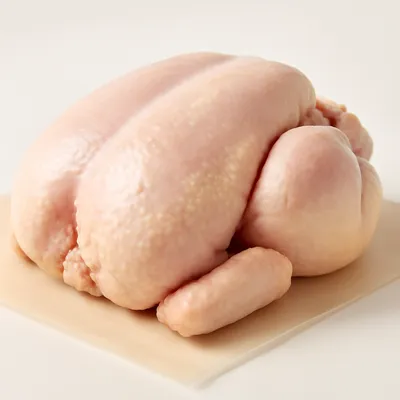
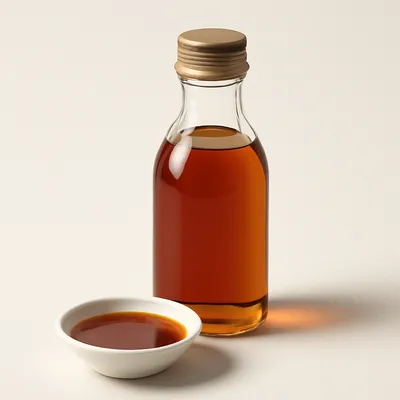
Build the bowl: simmer 500ml chicken stock with 1 tbsp light soy, 1 tsp sugar, white pepper. Drop in the fried cake — it rehydrates in 90 seconds. Top with shredded chicken, blanched chives, and a swirl of sesame oil.
Watch outDrop the fried cake in and it drinks up stock in 90 seconds — pull it while the strands still have a springy bite, before it goes to mush.
Archive tool suggestions — not reviewed
These legacy suggestions have not been evidence-reviewed and are not presented as required tools.


