A showpiece from Ningxia's halal ten-bowl banquet: seasoned chicken paste and rehydrated black hair moss are layered onto an egg crepe, rolled and steamed into a log, then sliced into coin-shaped rounds and served in clear chicken broth. Every element — the auspicious name (发, prosperity), the coin shape, the ceremonial broth — speaks the language of celebration.


Hair moss (发菜, Nostoc flagelliforme) has been eaten in northwest China for over two thousand years, with records traceable to the classical Chinese glossary Erya (《尔雅》); Tongxin, Lingwu and Zhongning in Ningxia have historically been among its most important harvesting grounds, prized for the moss's jet-black colour and supple, hair-like filaments. Regional accounts attribute the 酿金钱发菜 preparation — its rolled, steamed-and-sliced form — to the Tang banquet kitchen (相传始于盛唐), when cooks began shaping ingredients into coin forms to symbolise wealth and good fortune. A folk legend reinforces the symbolism: the Tang dynasty tycoon Wang Yuanbao, said to be among the wealthiest men of his era, reportedly ate hair moss daily and credited it with his fortune, cementing the link between 发菜 and the phrase 发财. The dish appears among the formal courses of Ningxia's halal ten-bowl banquet. In 2000, China's State Council banned the harvesting and sale of 发菜, and it was subsequently designated a Class I state-protected wild plant; commercial supplies now come primarily from cultivated stock.
A coin of cloud-soft egg crepe encases a ring of black moss with an inner core of smooth chicken paste. The moss carries an oceanic, mineral whisper. The clear chicken broth underneath pulls everything together with warmth and clarity.
Hair moss (Nostoc flagelliforme) owes its distinctive texture to a polysaccharide mucilage that binds water vigorously; upon hydration, dry filaments expand four-to-five-fold, becoming elastic and cohesive — ideal for laminating into the roll without adhesives. The chicken paste forms a gel matrix during steaming: myosin proteins denature at 65–70 °C and cross-link, setting the filling firmly while retaining moisture. Steaming rather than boiling protects the delicate egg crepe, as 100 °C steam avoids waterlogging or tearing the thin sheet. Allowing the roll to cool slightly before slicing lets the gel firm fully, so the coin rounds hold their shape cleanly when reheated in broth.
Variations
Fish paste coin roll: minced fish replaces chicken for a lighter, more delicate flavour, common during Yellow River carp season. Tofu skin variant: soaked dried tofu skin replaces the egg crepe, used in households without eggs or for everyday banquets. Lotus root paste version: lotus root paste replaces chicken paste for vegetarian ceremonial tables, maintaining the auspicious coin form.
On the Palate
Where Stuffed Black Moss Coin Roll sits in the Chinese flavor cloud
Ingredients
Serves 6
How it's made
7 steps · 40 min
- 130 min
Soak dried hair moss in cold water for 30 minutes until fully hydrated and expanded to several times its dry size. Rinse gently and drain well.
- 25 min
Beat 3 eggs with a pinch of salt. Heat a lightly oiled flat pan over low heat, pour in the egg mixture, and form a large thin crepe about 25 cm across. Remove once just set; do not brown.
Watch outKeep the crepe pale — pull it off the second it sets; any browning makes it brittle and it'll crack when you roll.
- 35 min
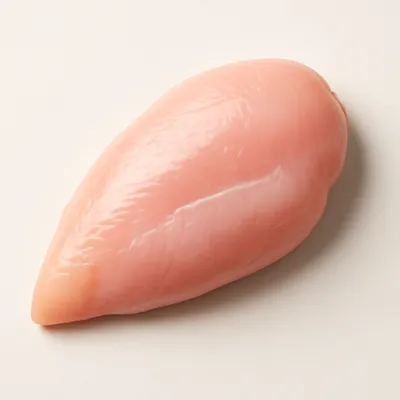
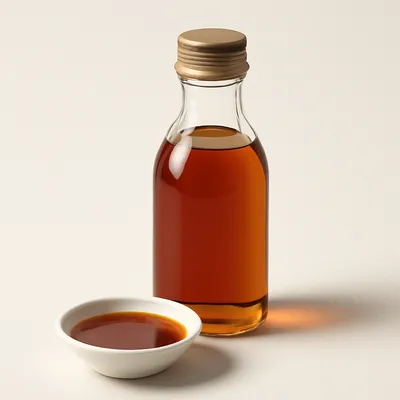
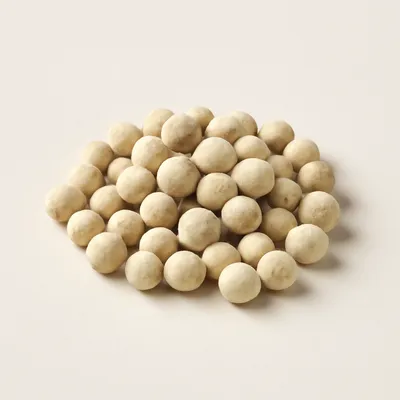
Mince 200 g chicken breast to a smooth paste in a food processor. Season with salt, white pepper, a little sesame oil, and 1 tsp cornstarch. Mix until the paste is sticky and cohesive.
- 45 min
Lay the egg crepe flat on a clean surface. Spread a thin, even layer of chicken paste over it, leaving a 2 cm border. Lay the drained hair moss in a dense, even band across the centre.
- 55 min
Spread a second thin layer of chicken paste over the moss. Roll up tightly from the near edge, pressing firmly to eliminate air pockets. Tie with kitchen string at 3 cm intervals.
Watch outRoll tight and press out every air pocket — trapped air leaves holes that make the slices fall apart.
- 620 min
Steam over vigorously boiling water for 18–20 minutes until the chicken paste is fully set and the roll feels firm throughout. Remove and rest 5 minutes before unwrapping.
Watch outSteam until the roll feels firm all through — a soft center means the chicken paste hasn't set and won't slice clean.
- 75 min
Slice crosswise into rounds 7–8 mm thick. Arrange in a shallow bowl and ladle over hot, lightly seasoned clear chicken broth to serve.
Archive tool suggestions — not reviewed
These legacy suggestions have not been evidence-reviewed and are not presented as required tools.


