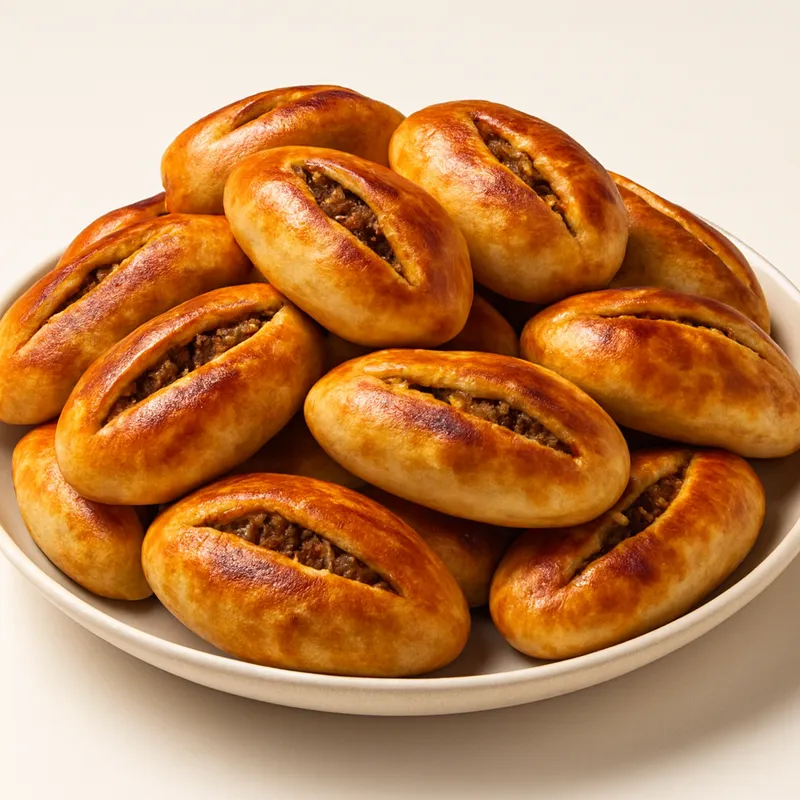
The grandest set-piece of Henan cuisine: a twenty-four-course banquet from the old Tang capital in which every dish is brothy or soupy, served one after another in a flowing, unbroken sequence — hence "water" banquet. Eight cold plates open the table, then four large courses arrive, each trailing a pair of smaller dishes in a procession the locals call "bringing the heir to court." The signature opener is Peony Swallow's-Nest Radish (牡丹燕菜), shredded white radish steamed until it eats like bird's-nest in a clear, sharp broth. The whole meal moves from rich to light, sweet to sour, hot to cool, so the palate is led rather than overwhelmed.




Luoyang served as capital to thirteen dynasties, and the banquet is said to have taken shape there in the Tang and to have entered Empress Wu Zetian's palace kitchens before passing back to the people — a thousand-year pedigree, though the precise origin is unrecorded. Its defining first course, the radish dish, carries a famous legend: a giant white radish from the Luoyang fields was presented to Wu Zetian as an omen of plenty, and her cooks shredded and steamed it into something with the texture and prestige of swallow's-nest, earning it the name "false bird's-nest." In 1973 Premier Zhou Enlai hosted Canada's prime minister Pierre Trudeau in Luoyang with this banquet; the chefs crowned the radish dish with a peony carved from egg, and Zhou, admiring it, remarked that Luoyang's peony was the finest under heaven and now bloomed in the food too — from which the dish became "Peony Swallow's-Nest Radish."
This is a meal of spoons, not chopsticks. The cold plates land first — sliced meats, pickled greens, cool and bright — then the hot courses begin, and the rhythm never stops: a bowl is half-emptied and whisked away as the next steams in. The radish opener is the marvel: pale shreds that look and slip like swallow's-nest, soaking up a broth that hits sour and peppery, the egg-carved peony floating on top. Across the table flavors swing wide — a velvety sweet course, then a sharp sour-hot soup, then something clean and cooling — so you finish full but never heavy.
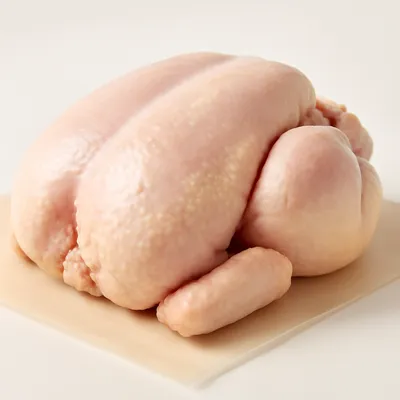
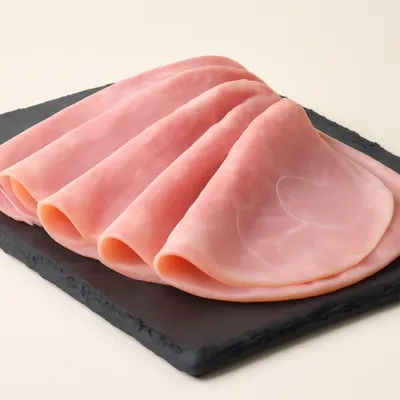
The banquet is built on broth and sequence. Master stock — long-simmered from chicken, pork bones, and ham — is the backbone; nearly every course is suspended in or moistened by it, which is why the meal can run two dozen dishes without tiring the eater. The radish dish demonstrates the kitchen's craft: coarse white radish is cut into hair-fine threads, salted and squeezed to draw out its bite, dusted with a little starch and steamed so the strands set without collapsing, then bathed in the hot sour-and-peppery stock at the moment of serving so they stay supple. Pacing is itself a technique — courses are timed to arrive in waves, rich alternating with light, hot with cool, so the table's flavors rise and fall by design.
Variations
The full banquet runs twenty-four courses — eight cold plates, four large courses, and a sequence of accompanying and table-closing dishes — but smaller "water席" of sixteen or so are common for ordinary feasts. Beyond the radish, classic large courses include a sweet-and-sour course, a velvety "five-willow" fish, sour-hot soups, and a final cool sweet dish to close. Old Luoyang restaurants each keep their own running order and house specialties within the form.
On the Palate
Where Luoyang Water Banquet sits in the Chinese flavor cloud
Ingredients
Serves 10


How it's made
8 steps · 4 hours
- 1200 min
Simmer a master stock from old hen, pork bones, and ham for several hours until rich and clear; reserve.
Watch outSimmer the master stock several hours until rich and clear, skimming — a hard boil clouds it, and this clear broth is the whole banquet's backbone.
- 240 min
Prepare eight cold plates — sliced meats, pickled and dressed vegetables — and set them on the table first.
- 315 min
For the signature radish course, cut white radish into hair-fine threads; salt, rest, and squeeze out the pungent liquid.
Watch outSalt and squeeze the radish threads to draw off the pungent liquid — skip this and the finished dish keeps its raw, sharp bite.
- 420 min
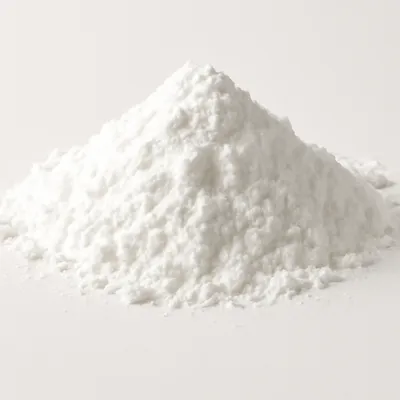
Dust the radish threads lightly with starch and steam until just set, keeping the strands separate.
- 510 min
Heat the master stock and sharpen it with vinegar, white pepper, and salt into a sour-and-peppery broth.
- 65 min
Mound the steamed radish in a bowl, crown with an egg-carved peony, and pour over the hot broth to serve.
Watch outPour the hot sour broth over the steamed radish only at serving — it keeps the fine strands supple instead of collapsing.
- 760 min
Send out the four large courses in turn, each followed by its pair of smaller dishes ('bringing the heir to court').
- 85 min
Pace the procession so rich and light, hot and cool alternate, and close the table with a cool sweet dish.
Archive tool suggestions — not reviewed
These legacy suggestions have not been evidence-reviewed and are not presented as required tools.